
Cheapest Car Insurance — Washington
Free to compare
The Multi-Car Minimum Coverage Problem
You're shopping for the cheapest car insurance in Washington to cover two or three vehicles on one policy, and every quote tool pushes you toward the state minimum: $25,000 per person, $50,000 per accident, $10,000 property damage. That $50,000 per-accident cap sounds adequate until you realize it covers every person injured across all vehicles in a single crash. A two-car household collision that injures three people can exhaust that limit in minutes, leaving you personally liable for the remainder.
Washington does not require uninsured-motorist coverage, personal-injury protection, or collision and comprehensive on older vehicles. The cheapest policy meets the legal floor but leaves multi-car households exposed to the state's 19.1% uninsured-driver rate and the compounding liability risk that comes with insuring multiple vehicles under one per-accident cap.
“The $50,000 per-accident cap covers every person injured across all vehicles in a single crash—exhaust it, and you pay the remainder.”
Check Your Rate Against Other Washington Drivers
Get My Washington Car Insurance Quote19.1%
Washington Uninsured Drivers
Nearly one in five Washington drivers carries no insurance. When an uninsured driver hits your two-vehicle household and you lack uninsured-motorist coverage, you pay out of pocket for medical bills and vehicle repairs across both cars.
Insurance Information Institute, 2023
What Washington Requires Per Vehicle
Washington requires every registered vehicle to carry liability insurance: $25,000 bodily injury per person, $50,000 bodily injury per accident, $10,000 property damage per accident. The state does not mandate personal-injury protection, uninsured-motorist coverage, or collision and comprehensive. Proof of insurance must be provided at registration and carried in the vehicle at all times.
The $50,000 per-accident limit applies to the entire incident, not per vehicle. If your household owns three cars and two are involved in a single accident that injures multiple people, all claims draw from that same $50,000 cap. Once exhausted, your personal assets cover the remainder. The state minimum is a floor, not a recommendation.
Washington operates under a pure comparative-negligence system. When the other driver is uninsured or underinsured and you lack uninsured-motorist coverage, you recover nothing. Multi-car households face this risk multiplied across every vehicle on the policy.
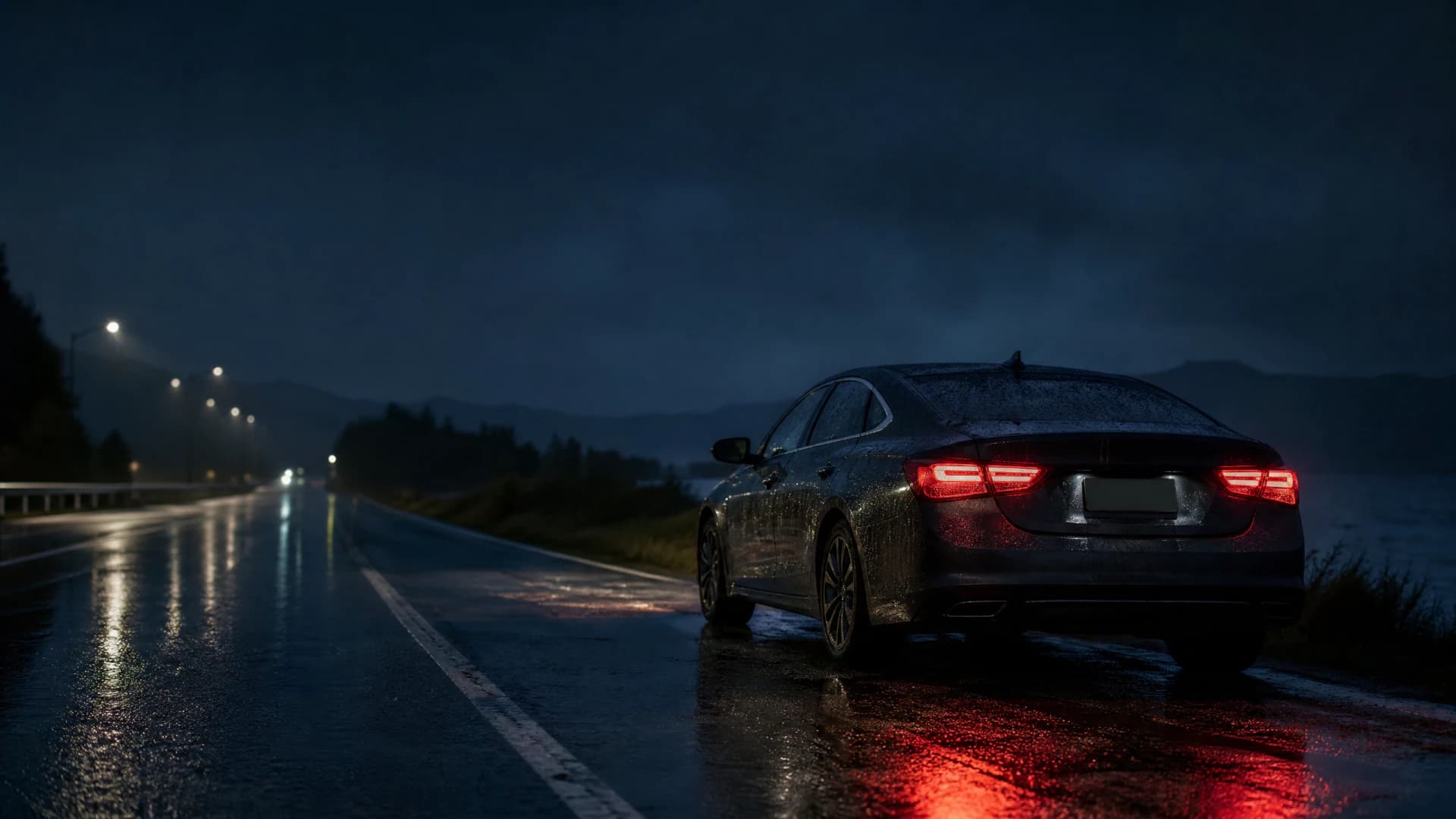
The cheapest Washington policy meets the legal minimum but leaves multi-car households personally liable when a single accident involves multiple vehicles or an uninsured driver.


How Adding Vehicles Changes Your Premium
Adding a second vehicle to an existing Washington policy does not simply double your premium. Carriers apply a multi-vehicle discount that reduces the per-car cost, but the total premium still rises. The discount typically ranges from a percentage off each vehicle's base rate to a flat reduction per additional car. The exact structure varies by carrier and is not disclosed in advance of quoting.
When you add a vehicle mid-term, the carrier re-rates the entire policy effective the date the new car is added. This recalculates the premium for all vehicles on the policy, not just the new one. If your driving record, credit score, or garaging address changed since the original policy was written, the re-rating can increase the cost of every vehicle. Carriers provide a grace period—typically 14 to 30 days—during which a newly purchased vehicle is automatically covered under your existing policy, but you must report the addition within that window or risk a coverage gap.
Removing a vehicle from a multi-car policy reduces your premium but may eliminate the multi-vehicle discount entirely if you drop below the carrier's minimum vehicle count. Some carriers require at least two vehicles to qualify for the discount; others extend it to households with three or more. Confirm the threshold before removing a car, especially if the remaining vehicles are high-value or high-risk.
Combining two separate policies after marriage or a household move almost always lowers the combined premium, but not in every case. If one spouse carries a violation or accident history, merging policies can increase the clean driver's rate. Run quotes for both a combined policy and two separate policies before committing. Washington does not require spouses to share a policy, but most carriers offer better multi-vehicle pricing when all household cars sit on one policy.
$25,000 / $50,000 / $10,000
Washington Minimum Liability Limits
These limits apply per accident, not per vehicle. A two-car household collision that injures three people can exhaust the $50,000 bodily-injury cap quickly, leaving you personally liable for medical bills and lost wages beyond that amount.
Washington State Department of Licensing

When Minimum Coverage Costs More Than It Saves
The cheapest Washington policy saves money on the premium but exposes multi-car households to catastrophic out-of-pocket costs when an accident involves multiple vehicles or an uninsured driver. Washington allows injured parties to pursue your wages, savings, and property to satisfy the judgment.
Uninsured-motorist coverage is optional in Washington but essential for multi-car households. It pays your medical bills and vehicle repairs when the at-fault driver carries no insurance or insufficient limits. With 19.1% of Washington drivers uninsured, the probability of a no-coverage collision rises with every vehicle you add to the policy.
Collision and comprehensive coverage are optional for vehicles you own outright, but dropping them on a multi-car policy creates uneven protection. If one vehicle carries full coverage and another carries liability only, a single accident can total the liability-only car and leave you with no payout while the full-coverage car is repaired. Carriers do not prorate multi-vehicle discounts based on coverage levels; the discount applies to the policy, not to individual cars. Structuring coverage unevenly across vehicles saves less than most households expect.
Compare Carriers That Write Your Household
The cheapest Washington car insurance for a multi-car household depends on your specific combination of vehicles, drivers, garaging address, and driving history. State Farm and GEICO offer competitive multi-vehicle discounts for clean-record households. Progressive and The General write policies for households with violations or lapses. Bristol West, Dairyland, and National General specialize in high-risk multi-car households where standard carriers decline coverage.
Run quotes from at least three carriers that write your household's risk profile. Confirm the multi-vehicle discount applies to all coverages, not just liability. Verify the per-accident liability cap covers your household's total exposure across all vehicles. Add uninsured-motorist coverage to every quote—it is the only protection against Washington's 19.1% uninsured-driver rate. Compare the total annual premium, not the per-vehicle cost, to see the true savings of a multi-car policy versus separate policies for each vehicle.
Carriers Writing Multi-Car Policies in Washington
State Farm, GEICO, Progressive, Allstate, and Farmers dominate the Washington multi-car market. State Farm and GEICO typically offer the most competitive multi-vehicle discounts for households with clean driving records. Progressive and The General write non-standard policies for households with violations or lapses. Bristol West, Dairyland, and National General specialize in high-risk multi-car households where standard carriers decline coverage. USAA restricts eligibility to military members and their families but offers highly competitive multi-car rates for those who qualify.
Carriers price multi-car policies differently. Some apply the multi-vehicle discount to every car on the policy; others apply it only after the second vehicle. Some require all vehicles to be garaged at the same address; others allow separate garaging addresses within the same household. When comparing quotes, confirm whether the discount applies to liability only or to all coverages, and whether adding a third or fourth vehicle triggers a larger discount tier.
Get Your Free Quote
Get My Washington Car Insurance QuoteFrequently Asked Questions
Does Washington require uninsured-motorist coverage for multi-car policies?
No. Washington does not mandate uninsured-motorist coverage, but with 19.1% of drivers uninsured, it is essential for multi-car households. It pays your medical bills and vehicle repairs when the at-fault driver carries no insurance or insufficient limits.
How does the multi-vehicle discount work in Washington?
Carriers apply a multi-vehicle discount when you insure two or more cars on one policy. The discount structure varies: some reduce the per-car rate, others apply a flat reduction per additional vehicle. The total premium still rises with each car added, but the per-vehicle cost drops.
Can I insure two cars on separate policies in Washington?
Yes. Washington does not require household vehicles to share one policy, but most carriers offer better multi-vehicle pricing when all cars sit on the same policy. Run quotes for both structures before deciding.
What happens if I add a vehicle mid-term to my Washington policy?
The carrier re-rates the entire policy effective the date the new car is added. This recalculates the premium for all vehicles, not just the new one. Carriers provide a grace period—typically 14 to 30 days—during which the new vehicle is automatically covered, but you must report the addition within that window.
Is the state minimum liability enough for a multi-car household in Washington?
No. Washington's $50,000 per-accident bodily-injury cap applies to the entire incident, not per vehicle. A two-car collision with multiple injuries can exhaust that limit quickly, leaving you personally liable for the remainder. Multi-car households need higher limits.
Which Washington carriers write the cheapest multi-car policies?
State Farm and GEICO typically offer the most competitive multi-vehicle discounts for clean-record households. Progressive and The General write policies for households with violations. Bristol West, Dairyland, and National General specialize in high-risk multi-car households.
Do I need collision coverage on every car in a multi-car Washington policy?
Not legally, but dropping collision on one vehicle while keeping it on another creates uneven protection. A single accident can total the liability-only car with no payout while the full-coverage car is repaired. Carriers do not prorate multi-vehicle discounts based on coverage levels.