
You Let Your Policy Lapse — What Happens Next in Washington
Your Washington car insurance lapsed — maybe you missed a payment, switched carriers and left a gap, or parked a car and dropped coverage without realizing the registration consequences. Now you need insurance again, and you're wondering if the state will penalize you, whether carriers will refuse to write you, or if your rates will spike because of the gap.
Washington does not impose a state-level penalty for a lapse in coverage itself. The Department of Licensing does not suspend your license or charge a reinstatement fee solely because your insurance ended. But carriers treat a lapse as a risk signal, and most will price you higher than a driver with continuous coverage. The real friction is not regulatory — it's finding a carrier willing to write you at a rate you can afford, and understanding what the lapse means for your registration and future proof-of-insurance obligations.
Compare car insurance rates in your state
Get quotes from licensed carriers — no obligation, no spam, results in minutes.
Get Your Free QuoteWashington Uninsured Motorist Rate
19.1%
Nearly one in five Washington drivers operates without insurance, one of the highest uninsured rates in the country. Carriers know this and price lapsed drivers accordingly, viewing any gap as elevated risk even when no violation occurred.
Insurance Research Council, 2023
Washington Does Not Penalize the Lapse — Carriers Do
Washington law requires you to carry liability insurance that meets the state minimums — $25,000 per person for bodily injury, $50,000 per accident for bodily injury, and $10,000 for property damage — but the state does not track whether your coverage is continuous. If you let your policy lapse and no accident or traffic stop occurs during the gap, the Department of Licensing will not know and will not act.
The penalty structure in Washington triggers only when you are caught driving uninsured or when you are involved in an accident without coverage. But a lapse that ends before any of those events — you simply let coverage end, then bought a new policy before driving again — carries no state consequence.
Carriers, however, treat any lapse as a red flag. Most underwriting systems flag gaps longer than 30 days and price them as increased risk. Some carriers will decline to write you at all if the lapse exceeds 60 or 90 days. The lapse itself is not illegal, but it costs you in the private market.
The blocker: carriers price lapses as risk even when no violation occurred, and many will not write you if the gap exceeds 90 days without proof you were out of the country or had no vehicle.
How to Get Coverage After a Lapse
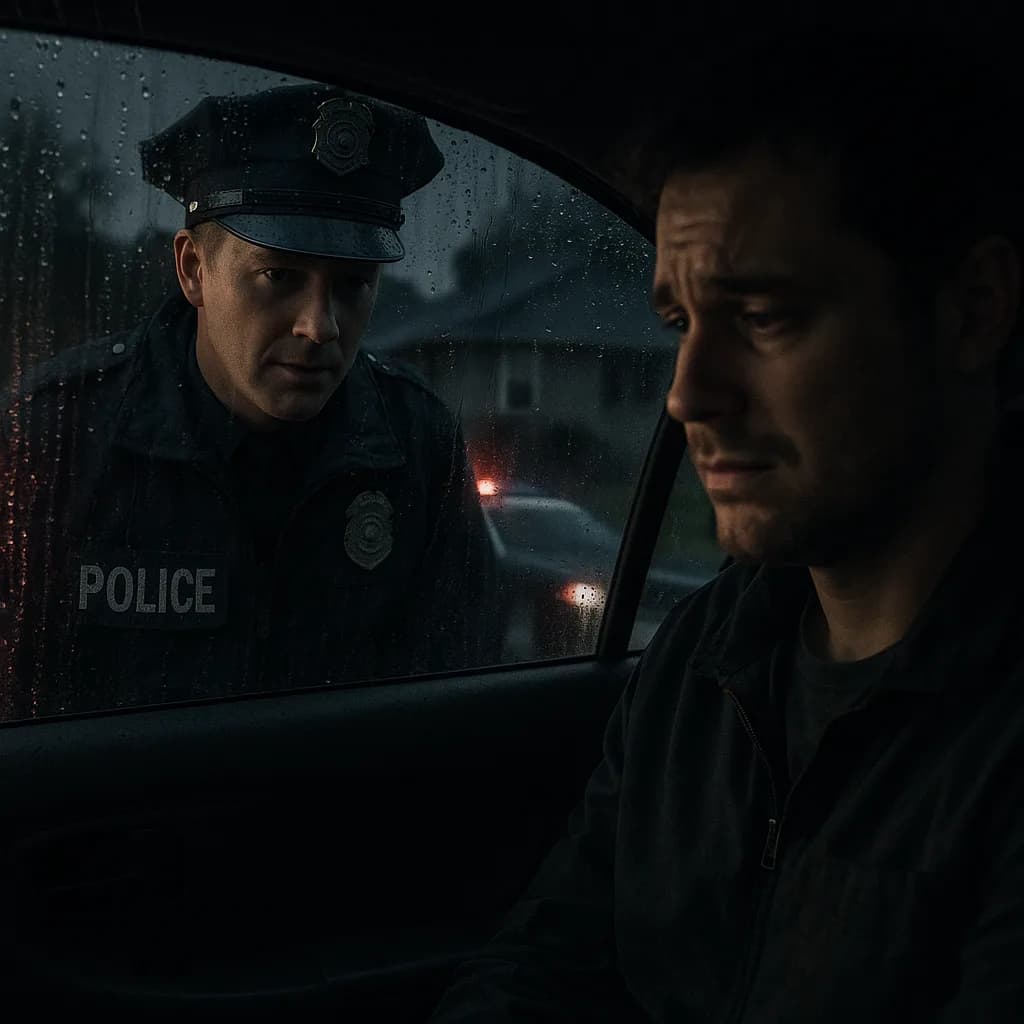
If the lapse was 30 days or shorter, most standard carriers will write you without a surcharge. Call the gap a brief transition between policies, provide your new effective date, and move forward. If the lapse was 31 to 90 days, expect questions. Some carriers will write you at standard rates if you can document a valid reason: you were deployed, out of the country, hospitalized, or had no vehicle registered in your name. Provide proof — military orders, passport stamps, hospital records, or DMV records showing no active registration during the gap. Without documentation, most carriers will either decline or assign you to a higher-risk tier.
If the lapse exceeded 90 days and you cannot document a valid reason, standard carriers will likely decline. You will need to shop non-standard carriers that specialize in high-risk drivers. In Washington, Bristol West, Dairyland, The General, and National General all write policies for drivers with lapses. Non-standard carriers typically require higher down payments and may not offer monthly payment plans without a fee. Once you maintain continuous coverage for six months to a year, you can re-shop standard carriers and your rates will drop.
Related Articles






Registration and Proof of Insurance After a Lapse
Washington requires proof of insurance to register or renew a vehicle. If your registration is still active and you let your insurance lapse, the DOL will not automatically cancel your registration — but if you are stopped or involved in an accident, the officer will cite you for driving uninsured, and the DOL will suspend your license and registration.
If your registration expired during the lapse, you must provide proof of insurance to renew it. The DOL verifies coverage electronically with most carriers, but some require you to bring a declaration page or insurance card to the licensing office. If you are renewing online via License Express, the system will prompt you to enter your policy number and carrier name, and it will verify coverage in real time. If verification fails, you must complete the renewal in person.
Once you have new coverage, your carrier will file proof electronically with the DOL within 24 to 48 hours. If you need to register or renew immediately, ask your carrier for a declaration page or binder that shows your policy number, effective date, and coverage limits. Bring that document to the licensing office. The DOL will accept it as temporary proof while the electronic filing processes.
Washington License Reinstatement Fee
You must also file proof of financial responsibility for three years, which most drivers satisfy with an active insurance policy.
Washington State Department of Licensing
Which Carriers Write Post-Lapse Policies in Washington
Not all carriers treat lapses the same way. Standard carriers — State Farm, Allstate, American Family, Farmers — typically decline drivers with lapses longer than 60 days unless you can document a valid reason. If the lapse was shorter or you have proof of military deployment, travel, or hospitalization, these carriers may write you at standard rates.
Non-standard carriers write drivers with longer lapses and no documentation. Bristol West, Dairyland, The General, and National General all operate in Washington and specialize in high-risk drivers, including those with coverage gaps. These carriers price higher and offer fewer discounts, but they will write you when standard carriers will not. Geico and Progressive occupy a middle tier — both write some post-lapse drivers, but underwriting varies by the length of the lapse and your overall driving record. If you have a clean record aside from the lapse, both are worth quoting.
Compare Carriers and Lock in Coverage Now
The longer you wait to reinstate coverage, the harder it becomes to find a carrier willing to write you at a reasonable rate. Lapses compound — a 60-day gap is easier to explain than a six-month gap, and carriers view extended lapses as a sign you may let coverage lapse again. If you need insurance after a lapse, get quotes from at least three carriers today. Start with non-standard carriers if your lapse exceeded 90 days, or with Geico and Progressive if the gap was shorter. Provide documentation for any valid reason the coverage ended, and ask each carrier how they price lapses in their underwriting system. Once you lock in a policy, maintain it for at least six months before re-shopping — that continuous coverage will lower your rates when you quote again.