
Proof of Car Insurance — Washington
Free to compare
When You Need Proof in Washington
You need proof of car insurance at three distinct moments in Washington: when you register or renew a vehicle with the Department of Licensing, when a law enforcement officer requests it during a traffic stop, and when you're involved in an accident. Each touchpoint accepts different formats, and households insuring multiple vehicles often discover they're carrying proof for only one car when they need documentation for another.
Washington law requires every registered vehicle to carry proof of financial responsibility. For most drivers, that means an active auto insurance policy meeting the state's minimum liability limits: $25,000 bodily injury per person, $50,000 bodily injury per accident, and $10,000 property damage. The state does not mandate personal injury protection or uninsured motorist coverage, but your carrier may include them. Proof must show the vehicle identification number, the policy period, and the carrier's name.
“A single insurance card listing one vehicle does not prove coverage for your other cars during a traffic stop, even when all vehicles share the same policy.”
Check Your Rate Against Other Washington Drivers
Get My Washington Car Insurance Quote$25,000 / $50,000 / $10,000
Washington Minimum Liability
Washington requires $25,000 bodily injury per person, $50,000 bodily injury per accident, and $10,000 property damage. Proof of insurance must demonstrate coverage at or above these minimums for every registered vehicle.
Washington State Department of Licensing
What Counts as Valid Proof
Washington accepts both paper and digital proof of insurance. A paper insurance card issued by your carrier, a digital image of that card displayed on your phone, or a carrier's mobile app showing active coverage all satisfy the requirement during a traffic stop. Law enforcement officers cannot require you to produce a physical card if you present valid digital proof.
The Department of Licensing operates differently. When you register a vehicle or renew tabs online, the DOL verifies coverage electronically through the Washington Insurance Verification System. You do not submit proof yourself—the system queries your carrier directly. When you register in person at a vehicle licensing office, you must present a paper insurance card or a printed copy of your digital proof. A phone screen is not accepted at the counter.
Multi-vehicle households often carry a single insurance card listing only one vehicle. Washington law requires proof for the specific vehicle you are driving or registering. If you are stopped while driving your second car and present proof for your first car, the officer may issue a citation for failure to provide proof even though both vehicles sit on the same policy. Request a separate card for each vehicle from your carrier, or ensure your digital proof displays all vehicles covered under the policy.
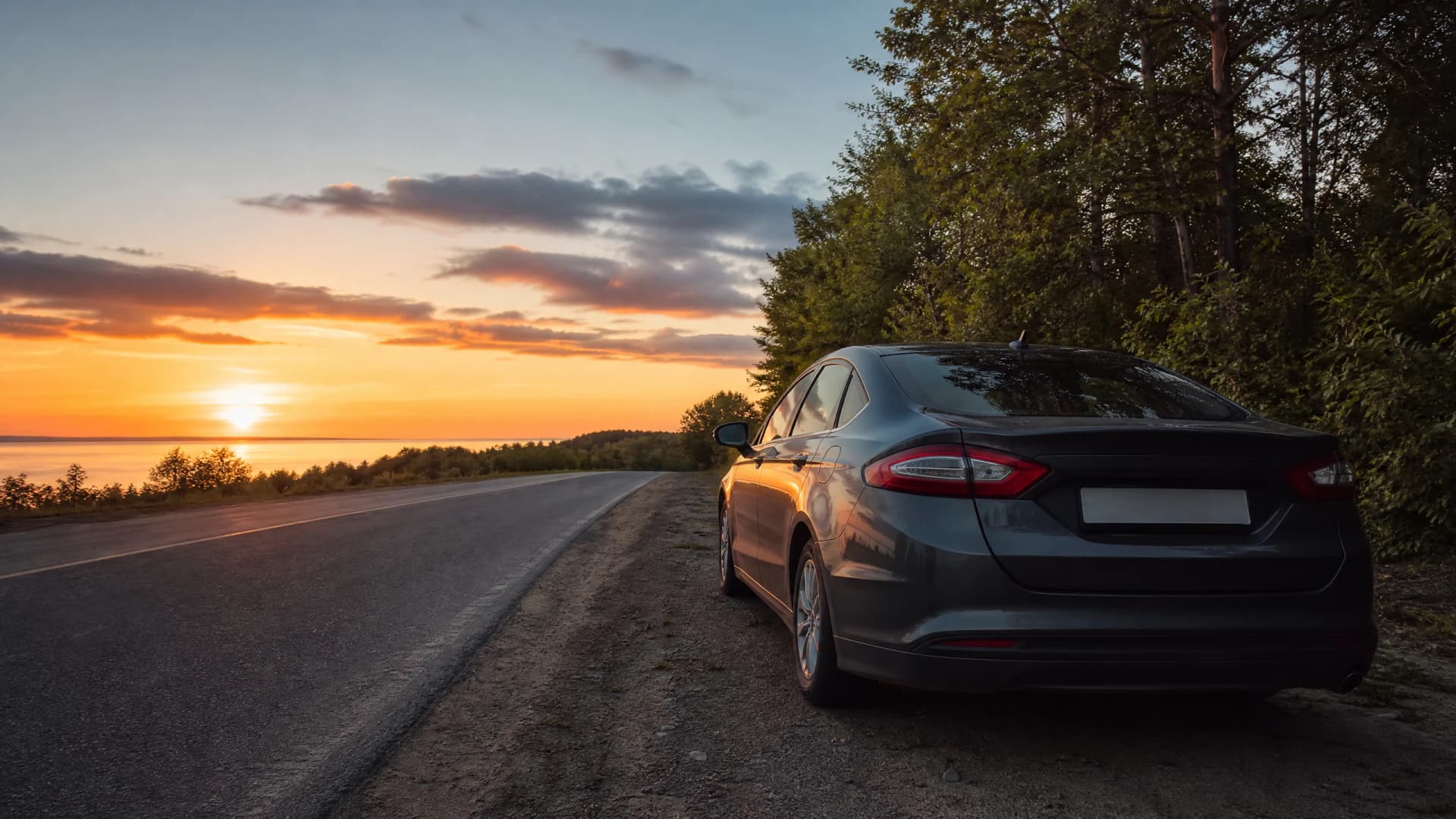
A single insurance card listing one vehicle does not prove coverage for your other cars during a traffic stop, even when all vehicles share the same policy.
Related Articles
Registration and Tab Renewal Proof Requirements
Washington's electronic verification system checks your insurance status automatically when you renew tabs online or register a vehicle. The system queries your carrier's database using your vehicle identification number. If the system cannot verify active coverage, your registration or renewal is blocked until you resolve the discrepancy.
Verification failures occur when your carrier has not updated the state database, when you recently switched carriers and the new policy has not yet populated the system, or when the VIN on file with the DOL does not match the VIN your carrier reported. Contact your carrier first and confirm they have submitted your policy information to the Washington Insurance Verification System. If the carrier confirms submission and the system still blocks your transaction, visit a vehicle licensing office in person with a printed insurance card. The clerk can override the electronic check and process your registration manually.
Households adding a second or third vehicle mid-term sometimes discover the new car does not appear in the verification system even though the carrier added it to the policy. The carrier must submit the updated vehicle roster to the state database, and that submission can take 24 to 72 hours to process. If you need to register the new vehicle immediately, bring a printed insurance card showing the new VIN and the effective date of coverage. The licensing office will accept the printed proof and process the registration without waiting for the electronic system to update.
19.1%
Washington Uninsured Motorist Rate
Nearly one in five motorists in Washington drives without insurance. Carrying proof for every vehicle you own protects you from citation and ensures you can demonstrate coverage after an accident involving an uninsured driver.
Insurance Research Council, 2023
Penalties for Failure to Provide Proof
Washington law treats failure to provide proof of insurance as a traffic infraction, not a criminal offense. If you are cited and later prove you had active coverage at the time of the stop, you can request dismissal of the citation by presenting your insurance card and policy declarations page to the court. The court may still assess a reduced processing fee even when coverage is verified.
Driving without insurance—not merely failing to show proof, but actually operating an uninsured vehicle—triggers harsher consequences. The Department of Licensing suspends your license and vehicle registration. Households with multiple vehicles face per-vehicle registration suspensions if any car on the policy lapses.
What to Do After an Accident
Exchange insurance information with the other driver immediately after an accident. Washington law requires you to provide your name, address, vehicle registration number, and proof of insurance to the other party. Failure to exchange information is a misdemeanor. Take a photo of the other driver's insurance card and license plate, and provide them with your own proof. If you are driving one of several vehicles on your policy and only carry proof for a different car, call your carrier from the scene and request they email or text a digital proof document for the vehicle you are driving.
File a collision report with the Washington State Patrol if the accident involves injury, death, or property damage exceeding $1,000. The report must be filed within four days. Your carrier will request a copy of the police report when you file a claim, and the report serves as independent verification of the accident details. Households with multiple vehicles should confirm which car was involved and ensure the claim is filed against the correct vehicle on the policy. Misidentifying the vehicle can delay the claim or trigger a coverage dispute if the involved car was not listed on the policy at the time of the accident.
How to Obtain and Carry Proof for Multiple Vehicles
Contact your carrier and request a separate insurance card for each vehicle on your policy. State Farm, GEICO, Progressive, Allstate, and most other carriers writing in Washington will mail individual cards or allow you to print them from your online account. Each card should list the specific vehicle identification number, the policy number, the coverage period, and the carrier's contact information. Keep one card in each vehicle's glove box.
Digital proof through a carrier's mobile app often displays all vehicles on the policy in a single view. GEICO, Progressive, State Farm, and USAA apps allow you to select which vehicle's proof to display. Download your carrier's app, log in, and verify that every vehicle appears under your policy. Screenshot the proof page for each vehicle and store the images in your phone's photo library as a backup if the app is unavailable during a stop.
Get Your Free Quote
Get My Washington Car Insurance QuoteFrequently Asked Questions
Can I show proof of insurance on my phone in Washington?
Yes. Washington law enforcement accepts digital proof of insurance displayed on your phone during a traffic stop. The Department of Licensing does not accept phone screens at in-person registration counters—you must present a printed card or complete the transaction online where the system verifies coverage electronically.
What happens if I'm driving my second car and only have proof for my first car?
You can be cited for failure to provide proof even though both vehicles sit on the same policy. Washington law requires proof for the specific vehicle you are driving. Request a separate insurance card for each vehicle from your carrier, or use a digital app that displays all covered vehicles.
How long does it take for a new vehicle to appear in Washington's insurance verification system?
Carriers typically submit updated vehicle rosters to the Washington Insurance Verification System within 24 to 72 hours after adding a car to your policy. If you need to register the new vehicle immediately, bring a printed insurance card showing the new VIN and effective coverage date to a licensing office.
What is the penalty for not showing proof of insurance in Washington?
If you had active coverage at the time of the stop, you can request dismissal by presenting your insurance card and policy declarations page to the court.
Do I need separate insurance cards for each vehicle on my policy?
Washington law does not require separate cards, but carrying one card per vehicle prevents citation during traffic stops. Most carriers issue a single card per policy. Contact your carrier and request individual cards for each vehicle, or use a digital app that displays all covered cars.
What proof do I need to register a vehicle in Washington?
The Department of Licensing verifies insurance electronically through the Washington Insurance Verification System when you register online. For in-person registration, you must present a printed insurance card showing the vehicle identification number, policy period, and carrier name. Phone screens are not accepted at the counter.