
Allstate Multi-Car Insurance — Washington
Free to compare
Does Allstate Write Multi-Car Policies in Washington
Allstate writes multi-car auto insurance policies in Washington. The carrier is licensed in the state, holds an AM Best A+ (Superior) financial strength rating, and offers online quotes for households insuring two or more vehicles on a single policy. Washington households adding a second, third, or fourth car to an existing Allstate policy can do so through the carrier's online portal, by phone, or through an agent.
The multi-car discount Allstate advertises applies when every vehicle in the household sits on the same policy and shares the same garaging address. A vehicle titled to a household member on a separate policy does not count toward the same-policy requirement, even if both policies are with Allstate. A car garaged at a different address may disqualify the discount entirely, depending on how the carrier defines 'household.' This structure catches many Washington households off guard when they add a vehicle mid-term and expect the discount to apply automatically.
“A vehicle titled to someone outside your household cannot sit on your policy, even if that person lives with you temporarily.”

Check Your Rate Against Other Washington Drivers
Get My Washington Car Insurance Quote$25,000 / $50,000 / $10,000
Washington Minimum Liability
Washington requires $25,000 bodily injury per person, $50,000 bodily injury per accident, and $10,000 property damage. Every vehicle on your multi-car policy must carry at least these limits to register and drive legally in the state.
Washington State Department of Licensing
What the Multi-Car Discount Actually Requires
The multi-car discount is not automatic. Allstate requires every vehicle to sit on the same policy, meaning one policy number covering all cars. If you and your spouse each maintain separate Allstate policies, you do not qualify for the multi-car discount on either policy, even though both policies are with the same carrier. The discount applies only when you combine both policies into one.
The same-garaging-address rule is the second structural requirement. Most carriers, including Allstate, define the discount around vehicles garaged at the same address overnight. A car your college-age child drives and garages at school in another city may not qualify, even if the vehicle remains titled to you and sits on your policy. A classic car garaged at a storage facility across town may trigger the same exclusion. Allstate's underwriting rules vary by state, but the garaging-address requirement is standard across most markets.
Adding a vehicle mid-term re-rates the entire policy. The multi-car discount does not simply subtract a flat amount from the new vehicle's premium. Instead, Allstate recalculates the premium for every vehicle on the policy, applies the discount to the combined total, and bills the difference. In some cases, adding a high-risk vehicle (a sports car, a vehicle driven by a young driver, or a car with a poor theft-loss history) raises the total premium more than the multi-car discount lowers it. The discount is real, but it is not a guaranteed net savings on every addition.

A vehicle titled to someone outside your household or garaged at a different address may disqualify the multi-car discount, even if it sits on your Allstate policy.
Related Articles



Combining Two Policies After Marriage or a Move
Combining two separate Allstate policies into one multi-car policy usually lowers the total premium, but not always. The combined policy re-rates both households' vehicles together, applies the multi-car discount, and recalculates based on the new combined risk profile. If one spouse has a poor driving record, a recent violation, or a high-risk vehicle, the combined premium may exceed the sum of the two separate premiums, even with the discount applied.
Washington is a community-property state, which affects how carriers underwrite married couples. Once married, both spouses' driving records and claims histories factor into the combined policy's rate, regardless of which spouse owns which vehicle. A DUI on one spouse's record raises the premium for every vehicle on the combined policy. Allstate and other carriers cannot exclude a household member from rating unless that person is explicitly excluded from coverage, which means they cannot drive any vehicle on the policy.
If combining policies raises the total cost, compare the combined Allstate quote against quotes from other carriers that write multi-car policies in Washington. Washington's minimum liability limits and coverage requirements are the same across all carriers, but base rates, discount structures, and how each carrier weights driving records vary widely. A carrier that penalizes one spouse's violation less heavily may produce a lower combined premium, even without a multi-car discount as large as Allstate's.
19.1%
Washington Uninsured Motorist Rate
Nearly one in five Washington drivers carries no insurance. Uninsured motorist coverage protects your household when an at-fault driver cannot pay for damage to your vehicles or injuries to your passengers. Washington does not mandate UM coverage, but it is worth comparing quotes with and without it when structuring a multi-car policy.
Insurance Research Council, 2023
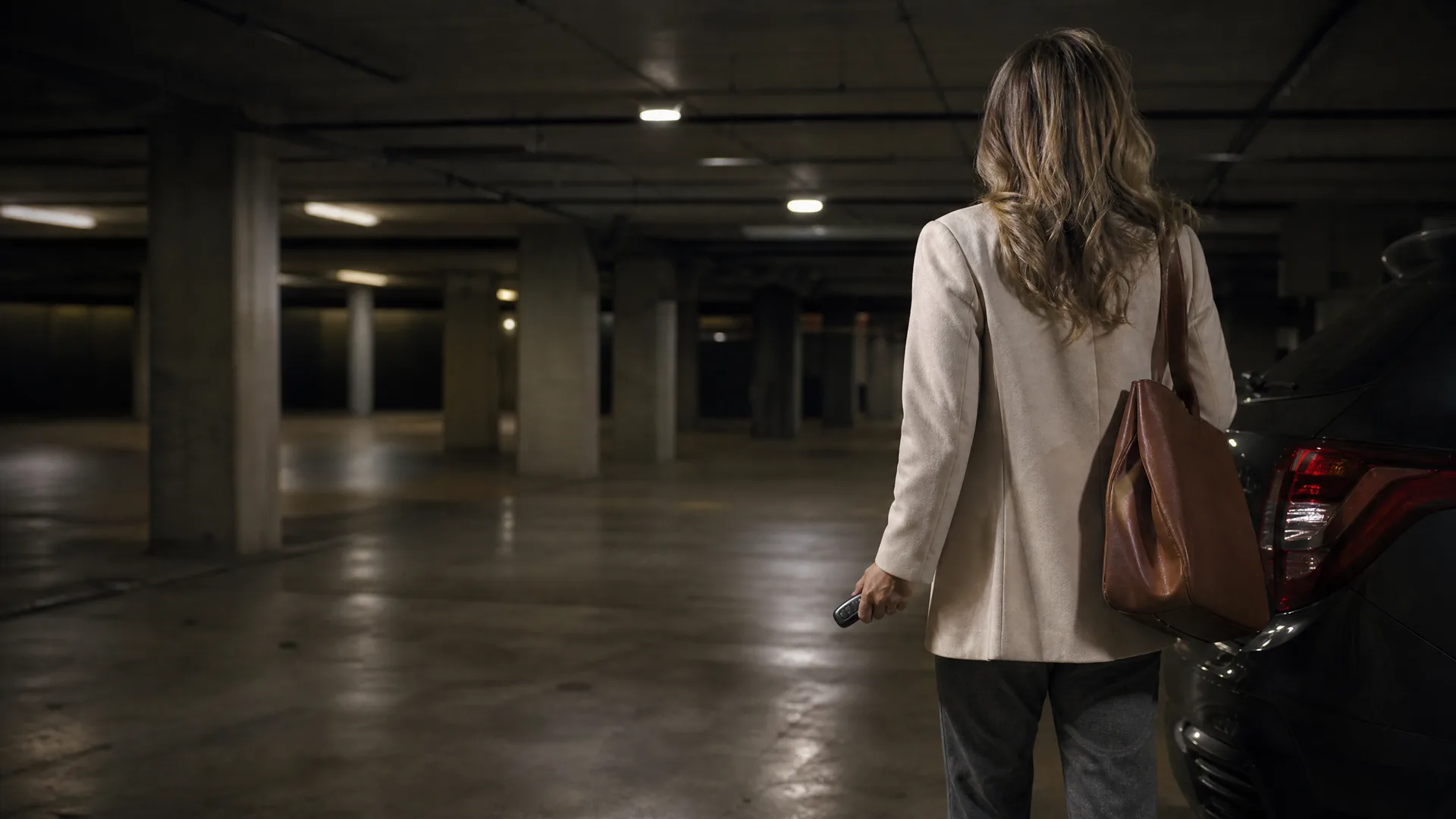
When a Household Member's Car Cannot Go on Your Policy
A vehicle titled to someone outside your household cannot sit on your Allstate policy, even if that person lives with you temporarily. Allstate and other carriers require the policyholder to have an insurable interest in every vehicle on the policy, which typically means ownership or co-ownership. A roommate's car, a friend's car, or an adult child's car titled solely to them cannot be added to your policy. That vehicle needs its own separate policy, which means it does not count toward your multi-car discount.
An adult child who lives with you and owns a car titled in their name presents a gray area. Some carriers allow the vehicle on the parent's policy if the child is listed as a driver and the parent co-signs the policy. Other carriers require the child to carry their own policy once the vehicle is titled to them, even if they live at home. Allstate's rules vary by state. If your household includes an adult child with their own car, ask the carrier explicitly whether that vehicle qualifies for your multi-car policy or must remain separate.
Compare Allstate Against Other Washington Carriers
Allstate is one of 19 carriers writing auto insurance in Washington. The state's carrier roster includes State Farm, GEICO, Progressive, Farmers, USAA, Liberty Mutual, and several non-standard carriers that specialize in high-risk drivers. Each carrier uses a different base rate, applies the multi-car discount differently, and weights driving records, vehicle types, and garaging locations differently. A household that gets a competitive quote from Allstate may get an even better quote from Progressive or State Farm, or vice versa. The only way to know is to compare quotes across multiple carriers for the same coverage structure.
When comparing quotes, match coverage limits and deductibles exactly. A lower quote with higher deductibles or lower liability limits is not a true comparison. Collision and comprehensive coverage are optional but required by lenders if you finance or lease any vehicle on the policy. Match these coverages across every quote you compare, then compare the total premium for all vehicles combined.
How to Add a Vehicle to Your Allstate Policy
Contact Allstate within the grace period (typically 14 to 30 days, depending on state and policy terms) to add the vehicle. Provide the VIN, proof of ownership (title or bill of sale), and the garaging address. If the new vehicle will be garaged at a different address than the other cars on your policy, tell the carrier immediately. Allstate will re-rate the policy, apply the multi-car discount to the new combined total, and bill the difference for the remainder of the term.
If you miss the grace window, the newly-purchased vehicle is not covered. A claim on an unreported car will be denied. Adding the vehicle late also means you drove without proof of insurance, which Washington law prohibits. The state requires proof of financial responsibility for every registered vehicle. Driving an uninsured car, even one you own and intend to add to your policy, exposes you to fines, license suspension, and out-of-pocket liability if you cause an accident.
Get Your Free Quote
Get My Washington Car Insurance QuoteFrequently Asked Questions
Does Allstate offer a multi-car discount in Washington?
Yes. Allstate offers a multi-car discount in Washington when every vehicle sits on the same policy and shares the same garaging address. The discount applies to the combined premium for all vehicles, not to each vehicle individually.
Can I add my spouse's car to my Allstate policy in Washington?
Yes, if your spouse's car is titled to you, co-owned, or your spouse is listed as a driver on your policy. Combining both spouses' vehicles onto one policy usually qualifies for the multi-car discount, but the combined premium depends on both spouses' driving records.
What happens if I add a car mid-term to my Allstate policy?
Allstate re-rates the entire policy when you add a vehicle mid-term. The carrier recalculates the premium for every vehicle, applies the multi-car discount to the new total, and bills the difference for the remainder of the term.
Can I insure a car garaged at a different address on my Allstate multi-car policy?
It depends on Allstate's underwriting rules in Washington. Most carriers require all vehicles on a multi-car policy to share the same garaging address. A car garaged elsewhere may disqualify the multi-car discount or require a separate policy.
How do I compare Allstate's multi-car rates against other Washington carriers?
Request quotes from multiple carriers for the same coverage limits, deductibles, and vehicle lineup. Match liability limits, collision and comprehensive coverage, and uninsured motorist coverage exactly, then compare the total premium for all vehicles combined.