
Geico Multi-Car Coverage — Washington
Free to compare
Does Geico Write Multi-Car Policies in Washington
Geico writes auto insurance in Washington and accepts multi-car policies. The carrier holds NAIC company code 22063, maintains an AM Best A++ rating, and writes standard-tier coverage across the state. Geico's Washington footprint includes SR-22 filing capability and non-owner policies, which matters when a household member needs either alongside the multi-vehicle policy.
The structural question is not whether Geico writes multiple vehicles — it does — but whether Geico's multi-car discount and same-policy requirements fit your household's vehicle and driver configuration. A carrier that writes multi-car policies does not automatically produce the lowest combined premium for every household. The discount structure, the base rate, and the same-policy requirement interact to determine total cost.
“The multi-car discount applies per policy, not per household — split policies forfeit the discount even when both are with Geico.”

Check Your Rate Against Other Washington Drivers
Get My Washington Car Insurance Quote$25,000 / $50,000 / $10,000
Washington Minimum Liability
Washington requires $25,000 bodily injury per person, $50,000 per accident, and $10,000 property damage. Every vehicle on a Geico multi-car policy must meet these minimums at a minimum, though most households carry higher limits to protect assets.
Washington State Department of Licensing
How Geico's Multi-Vehicle Discount Works
Geico's multi-car discount requires every vehicle to sit on the same policy. A household with three cars titled to the same address qualifies when all three cars appear on one Geico policy. A household with three cars split across two policies — even if both policies are with Geico — does not receive the multi-vehicle discount on either policy, because the discount applies per policy, not per household.
The same-policy requirement creates friction when a household member owns a vehicle titled separately, when a newly-married couple each holds an existing policy, or when a teenager's car sits on a separate policy. Combining policies to capture the discount re-rates every vehicle on the new combined policy. The combined premium is not the sum of the two prior premiums minus a discount — it is a new rate calculation that accounts for every driver, every vehicle, and the garaging address.
Geico's online quote tool allows you to add multiple vehicles during the quoting process. The quote reflects the multi-car discount automatically when you enter two or more vehicles. Comparing the combined-policy quote to the sum of separate-policy quotes shows whether combining saves money for your household.
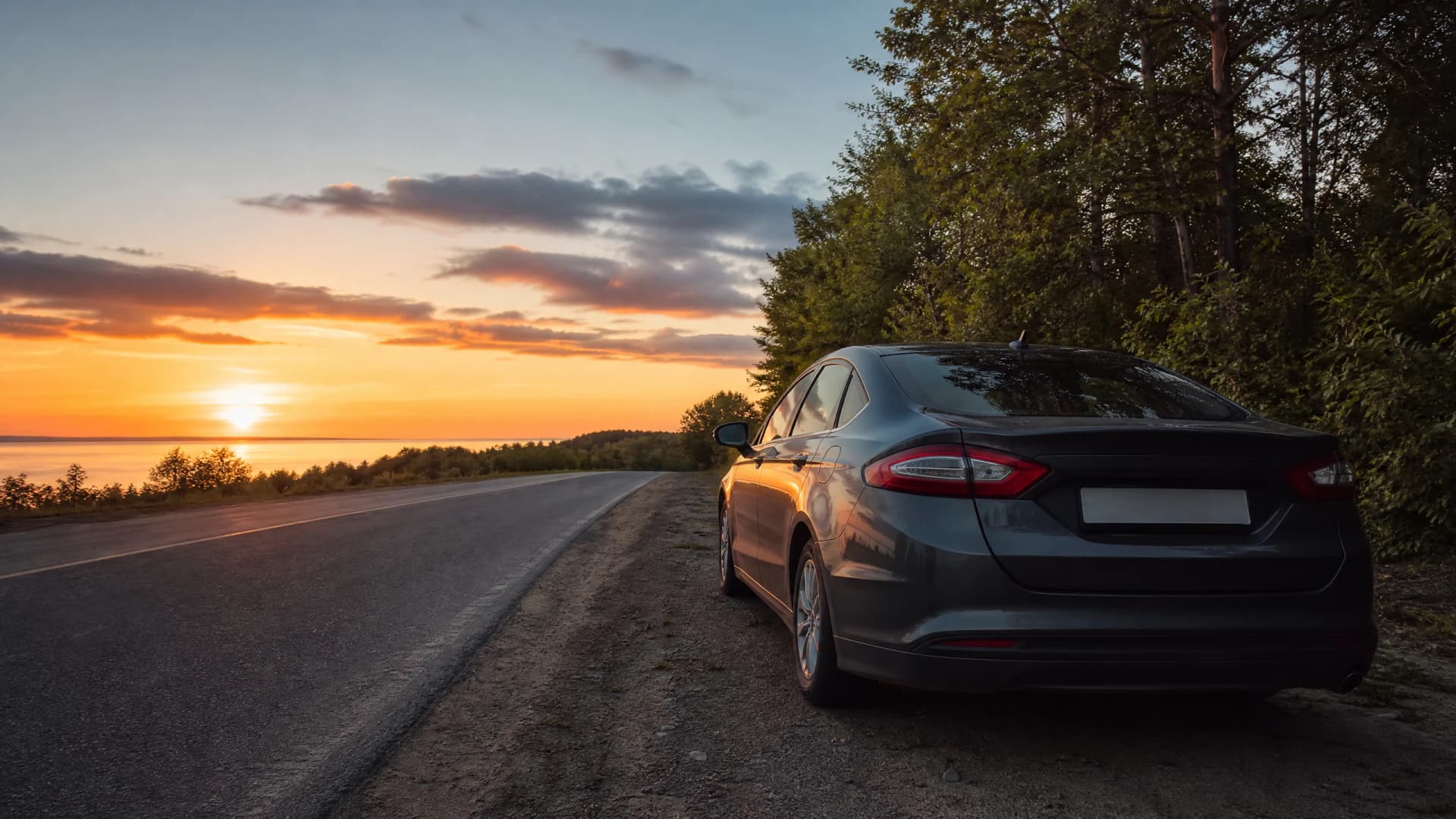
The multi-car discount applies only when every vehicle sits on the same Geico policy. Split policies forfeit the discount even when both are with Geico.
Related Articles




Combining Two Policies After Marriage or a Move
When two household members each hold a separate auto policy and want to combine them onto one Geico policy, the combined premium is not the sum of the two prior premiums. Geico re-rates the combined policy based on every driver, every vehicle, the shared garaging address, and the household's combined driving history. The multi-car discount applies to the combined policy, but the base rate may be higher or lower than the sum of the two prior base rates depending on the drivers' ages, driving records, and vehicle types.
A common failure mode: one spouse has a clean record and a low rate; the other has a recent violation and a higher rate. Combining the policies can raise the clean-record spouse's premium more than the multi-car discount offsets. The only way to know is to quote the combined policy and compare the total to the sum of the two separate premiums.
Geico allows you to quote a combined policy online by entering both drivers and all vehicles. The quote tool calculates the multi-car discount and shows the combined premium. If the combined premium is higher than the sum of the two separate premiums, keeping the policies separate may be the better choice until the violation ages off the higher-risk driver's record.
19.1%
Washington Uninsured Motorist Rate
Nearly one in five Washington drivers is uninsured. Households with multiple vehicles often carry uninsured motorist coverage on every car to protect against uninsured drivers, though Washington does not mandate UM coverage.
Insurance Research Council, 2023
Geico Versus Other Washington Multi-Car Carriers
Geico is one of 19 carriers writing auto insurance in Washington. Other carriers with multi-car capability include State Farm, Progressive, Allstate, American Family, Farmers, USAA, Nationwide, Liberty Mutual, Travelers, and several non-standard carriers including Bristol West, Dairyland, The General, and National General. Each carrier calculates the multi-car discount differently, and base rates vary by carrier, so the carrier with the lowest single-car rate does not always produce the lowest multi-car rate.
A smaller discount on a lower base rate can beat a larger discount on a higher base rate. The only way to identify the lowest combined premium for your household is to quote multiple carriers with all vehicles and drivers entered. Washington does not regulate multi-car discount amounts, so carriers set their own discount structures. Comparing three to five carriers produces a reliable range.
Compare Multi-Car Quotes for Your Household
Geico writes multi-car policies in Washington and offers online quoting for households with multiple vehicles. The carrier's SR-22 and non-owner capability makes it a viable option for households where one member needs either filing. Whether Geico produces the lowest combined premium for your household depends on your vehicles, drivers, garaging address, and driving history.
Request quotes from Geico and at least two other Washington carriers. Enter every vehicle, every driver, and the same coverage limits on each quote. Compare the combined premiums, not the discount percentages. The carrier with the lowest total premium for your household's configuration is the correct choice. Use the comparison tool below to request quotes from multiple carriers simultaneously.
Adding a Vehicle to an Existing Geico Policy
Geico typically provides a 14- to 30-day grace period during which a newly-purchased vehicle is automatically covered under your existing policy's terms. The exact window varies by state and policy terms, so confirm the grace period with Geico directly when you buy the car. You must notify Geico and formally add the vehicle within that window. If you miss the deadline and file a claim on the unreported vehicle, Geico can deny the claim because the vehicle was never added to the policy.
Adding a vehicle mid-term re-rates the entire policy. The new premium reflects the added vehicle's make, model, year, garaging address, and the drivers who will operate it. The multi-car discount adjusts automatically when the second vehicle is added. The premium increase is not a flat per-vehicle amount — it is a new rate calculation. Comparing the new total premium to the prior premium shows the true cost of adding the vehicle.
Get Your Free Quote
Get My Washington Car Insurance QuoteFrequently Asked Questions
Does Geico offer a discount for insuring multiple cars in Washington?
Yes, Geico offers a multi-car discount in Washington when you insure two or more vehicles on the same policy. The discount applies automatically when you add a second vehicle to your policy. The discount amount varies by household configuration, and the combined premium reflects a new rate calculation, not a simple subtraction from the sum of separate-policy premiums.
Can I add a second car to my Geico policy mid-term in Washington?
Yes, you can add a second car to your Geico policy mid-term in Washington. Geico typically provides a 14- to 30-day grace period during which a newly-purchased vehicle is automatically covered under your existing policy. You must notify Geico and formally add the vehicle within that window. Adding the vehicle re-rates the entire policy, and the new premium reflects the added vehicle and the multi-car discount.
Does Geico require all household vehicles to be on the same policy for the multi-car discount?
Yes, Geico's multi-car discount requires all vehicles to sit on the same policy. A household with three cars split across two Geico policies does not receive the multi-vehicle discount on either policy, because the discount applies per policy, not per household. Combining the policies onto one is required to capture the discount.
Can I combine two separate Geico policies after marriage in Washington?
Yes, you can combine two separate Geico policies after marriage in Washington. Geico re-rates the combined policy based on every driver, every vehicle, and the shared garaging address. The multi-car discount applies to the combined policy, but the total premium may be higher or lower than the sum of the two prior premiums depending on the drivers' records and vehicle types. Quote the combined policy to compare.
Does Geico write SR-22 policies for multi-car households in Washington?
Yes, Geico writes SR-22 policies in Washington and accepts multi-car households where one member needs SR-22 filing. Washington requires SR-22 filing for 3 years after certain convictions. The SR-22 requirement does not prevent you from insuring multiple vehicles on the same Geico policy, and the multi-car discount still applies to the combined policy.