
Out-of-State Car Insurance — Washington
Free to compare
You Bought a Car Out of State and Need Washington Coverage
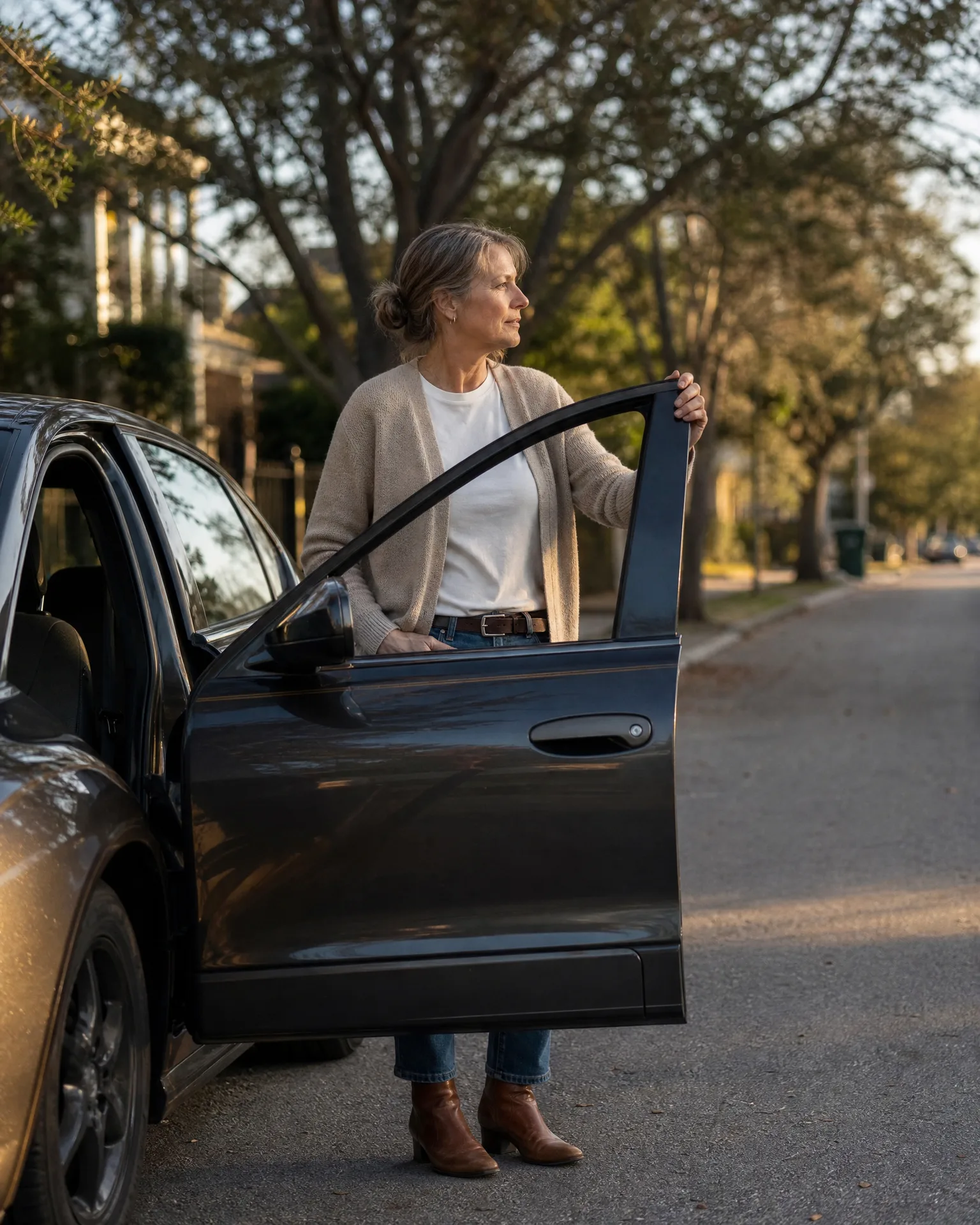
You purchased a vehicle in Oregon, Idaho, or another state and plan to drive it home to Washington. The car is titled out of state, you have temporary tags or a transit permit, and you need to know whether your existing Washington auto policy covers the drive back and how quickly you must add the vehicle once it arrives.
The structural reality: Washington requires you to register the vehicle within 30 days of establishing residency or completing the purchase if you are already a resident. Your insurance carrier's grace period for newly acquired vehicles may be shorter than that 30-day window, and the gap between the two creates a coverage risk most drivers do not anticipate until they file a claim.
“Your carrier's grace period may end before Washington's 30-day registration deadline, leaving a window where the car is uninsured if you wait.”
Check Your Rate Against Other Washington Drivers
Get My Washington Car Insurance Quote$25,000 / $50,000 / $10,000
Washington Minimum Liability
Washington requires $25,000 bodily injury per person, $50,000 per accident, and $10,000 property damage. Your out-of-state vehicle must meet these minimums the moment you register it in Washington, and your carrier will verify coverage before issuing proof of insurance for the Department of Licensing.
Washington State Department of Licensing
Your Existing Policy May Cover the Drive Home
Most Washington auto insurance policies extend liability and physical-damage coverage to a newly acquired vehicle for a limited grace period, typically 14 to 30 days from the date of purchase. The grace period applies automatically if you already insure at least one vehicle on the policy and you acquire the new vehicle to replace an existing one or add it to your household fleet.
The coverage that extends is the same coverage you carry on your existing vehicles. If your current policy includes collision and comprehensive on your other cars, those coverages extend to the newly purchased vehicle during the grace period. If you carry only liability, that is all that extends.
The grace period clock starts on the date you take ownership, not the date you notify your carrier. If you buy a car on Monday and do not tell your insurer until the following Monday, you have already consumed seven days of the grace window. Carriers require notification within the grace period to maintain coverage without a lapse, and many specify a shorter notification window in the policy contract than the full grace period.
Read your policy declarations page or call your carrier before you leave to pick up the vehicle. Confirm the grace period length, the notification deadline, and whether the coverage that extends matches what you need for the drive home and the registration process in Washington.
Your carrier's grace period may end before Washington's 30-day registration deadline, leaving a window where the car is uninsured if you wait to add it.
Related Articles


Registration Timing and Out-of-State Title Transfers
Washington requires you to register the vehicle within 30 days of purchase if you are a Washington resident, or within 30 days of establishing residency if you moved to Washington with a vehicle titled in another state. The 30-day clock starts from whichever event occurs first: the purchase date or the date you establish Washington residency.
If you miss the 30-day deadline, you owe late fees and penalties that accrue daily. The penalty applies to the vehicle registration, not to insurance, but the registration cannot be completed without proof of insurance that meets Washington minimums.
Transferring an out-of-state title to Washington requires the original title, a bill of sale, an odometer disclosure if the vehicle is less than 10 years old, and payment of sales tax and registration fees. The Department of Licensing will not issue Washington plates until you provide proof of insurance, so the insurance step must happen before or simultaneously with the title transfer and registration.
Some carriers write policies effective the same day you call, while others require 24 to 48 hours to process the addition and issue proof. Plan the timing so you have proof in hand before you visit the licensing office or attempt to register online.
19.1%
Washington Uninsured Motorist Rate
Nearly one in five Washington drivers operates without insurance. Uninsured and underinsured motorist coverage is optional in Washington but protects you if an uninsured driver damages your newly registered vehicle. Many carriers include it automatically on multi-car policies unless you decline it in writing.
Insurance Information Institute, 2023

Multi-Car Discount and Policy Structure
If you already insure one or more vehicles in Washington, adding the out-of-state purchase to the same policy typically qualifies you for a multi-car discount. The discount applies when every vehicle you own or regularly drive sits on the same policy and shares the same garaging address. The discount reduces the per-vehicle premium, and the reduction usually increases as you add more vehicles to the policy.
The multi-car discount is not automatic. Your carrier applies it when you formally add the vehicle and confirm that all household vehicles are listed on one policy. If a household member owns a vehicle titled in their name and insures it separately, that vehicle does not count toward your multi-car discount, even if it is garaged at the same address. Combining policies after a purchase or a move often lowers the total premium, but the savings depend on the driving records and coverage levels of everyone on the combined policy.
Compare Carriers Before You Add the Vehicle
Adding a vehicle to your existing policy re-rates the entire policy, not just the new car. The carrier recalculates your premium based on the combined risk of all vehicles, all drivers, and the coverage levels you selected. If the newly added vehicle is high-value, high-performance, or expensive to repair, the premium increase may be larger than you expect, even with a multi-car discount applied.
Before you commit to adding the out-of-state vehicle to your current policy, compare quotes from other carriers that write multi-car policies in Washington. Carriers price multi-vehicle households differently: some offer a larger discount on a higher base rate, others offer a smaller discount on a lower base rate, and the better deal depends on your specific household profile. Washington is home to carriers including State Farm, GEICO, Progressive, Allstate, Farmers, USAA, Travelers, and Liberty Mutual, all of which write multi-car policies and can quote you before you make the final decision. A comparison takes less than 15 minutes and may save you hundreds of dollars per year across all the vehicles on your policy.
Adding the Vehicle to Your Washington Policy
Contact your carrier within the grace period and provide the vehicle identification number, the purchase date, the odometer reading, and the garaging address in Washington. The carrier will re-rate your policy to include the new vehicle, apply any multi-car discount if you insure multiple vehicles on the same policy, and issue an updated proof-of-insurance card or electronic filing.
Washington accepts electronic proof of insurance, so most carriers can email or text you a digital card immediately after adding the vehicle. You need this proof to complete registration at a vehicle licensing office or online through the Department of Licensing. The registration process verifies that your policy meets Washington's minimum liability limits and that the vehicle is listed on an active policy before issuing plates and tabs.
Get Your Free Quote
Get My Washington Car Insurance QuoteFrequently Asked Questions
Does my Washington auto insurance automatically cover a car I buy out of state?
Most Washington policies extend coverage to a newly purchased vehicle for 14 to 30 days if you already insure at least one car on the policy. The grace period starts the day you take ownership, not the day you notify your carrier. Contact your insurer before you pick up the vehicle to confirm the grace period length and notification deadline.
How long do I have to register an out-of-state car in Washington?
Washington requires registration within 30 days of purchase if you are a resident, or within 30 days of establishing residency if you moved to Washington with the vehicle.
Can I register an out-of-state car in Washington without insurance?
No. The Washington Department of Licensing requires proof of insurance that meets state minimum liability limits before issuing plates. You must add the vehicle to an active Washington policy and obtain a proof-of-insurance card or electronic filing before you can complete registration.
Will adding an out-of-state car to my Washington policy increase my premium?
Yes. Adding a vehicle re-rates your entire policy based on the combined risk of all vehicles and drivers. The increase depends on the vehicle's value, repair cost, and your coverage selections. A multi-car discount may offset part of the increase, but comparing quotes from other carriers before you add the vehicle often uncovers a better rate.
What documents do I need to register an out-of-state car in Washington?
You need the original out-of-state title, a bill of sale, an odometer disclosure if the vehicle is less than 10 years old, proof of Washington auto insurance, and payment for sales tax and registration fees. The Department of Licensing will not issue plates until you provide proof of insurance that meets Washington minimums.
Does Washington require uninsured motorist coverage for out-of-state vehicles?
No. Uninsured and underinsured motorist coverage is optional in Washington, but 19.1% of Washington drivers operate without insurance. Many carriers include uninsured motorist coverage automatically on multi-car policies unless you decline it in writing when you add the vehicle.