
Out-of-State Auto Insurance After Moving — Washington
Free to compare
The 30-Day Registration Window and What It Means for Your Current Policy
You moved to Washington with your household's vehicles still covered under your previous state's auto insurance policy. The cars are registered out of state, the policy lists your old address, and you are trying to figure out whether you can keep that arrangement or whether Washington law forces an immediate switch. The answer depends on two separate clocks: the state's registration deadline and your carrier's underwriting rules, and they do not always align.
Washington law requires new residents to register their vehicles within 30 days of establishing residency. That 30-day period starts when you take actions that demonstrate you intend to stay: signing a lease longer than 30 days, registering to vote, enrolling children in school, or accepting employment. The registration requirement is statutory, not discretionary. Once you register the vehicles in Washington, your out-of-state policy no longer matches the garaging address or registration state, and most carriers will not continue coverage under those conditions.
“Your carrier prices the policy based on where the car is garaged. Once the vehicles are in Washington, the old policy no longer matches the risk.”

Check Your Rate Against Other Washington Drivers
Get My Washington Car Insurance Quote30 days
WA Vehicle Registration Deadline
Washington State Department of Licensing requires new residents to register vehicles within 30 days of establishing residency. Missing this deadline exposes you to fines and potential coverage denial if your carrier discovers the mismatch.
Washington State Department of Licensing
Why Most Carriers Will Not Cover Washington-Garaged Vehicles on an Out-of-State Policy
Auto insurance policies are underwritten and priced based on where the vehicle is garaged, not where it is registered. When you move, the garaging address changes, and that change affects the risk profile your carrier priced into the original policy. Washington has different liability minimums, different uninsured-motorist rates, different theft and accident patterns, and different regulatory requirements than the state you left. Your carrier underwrote your old policy using your old state's data; it cannot legally continue that policy once the vehicles are garaged in Washington.
Most national carriers will allow a grace period while you complete the move, typically 30 to 60 days, but that grace period is not a guarantee. Some carriers require you to notify them of the address change within a specific window, often 30 days. If you miss that notification window or if the carrier discovers the vehicles are garaged in Washington without your having updated the policy, the carrier can deny a claim or cancel the policy retroactively for misrepresentation of garaging location.
The structural reality: your out-of-state policy does not transfer to Washington. You must obtain a Washington policy that reflects Washington garaging, Washington liability minimums, and Washington underwriting rules. The question is not whether you can keep the old policy indefinitely — you cannot — but how much time you have before the carrier or the state forces the switch.
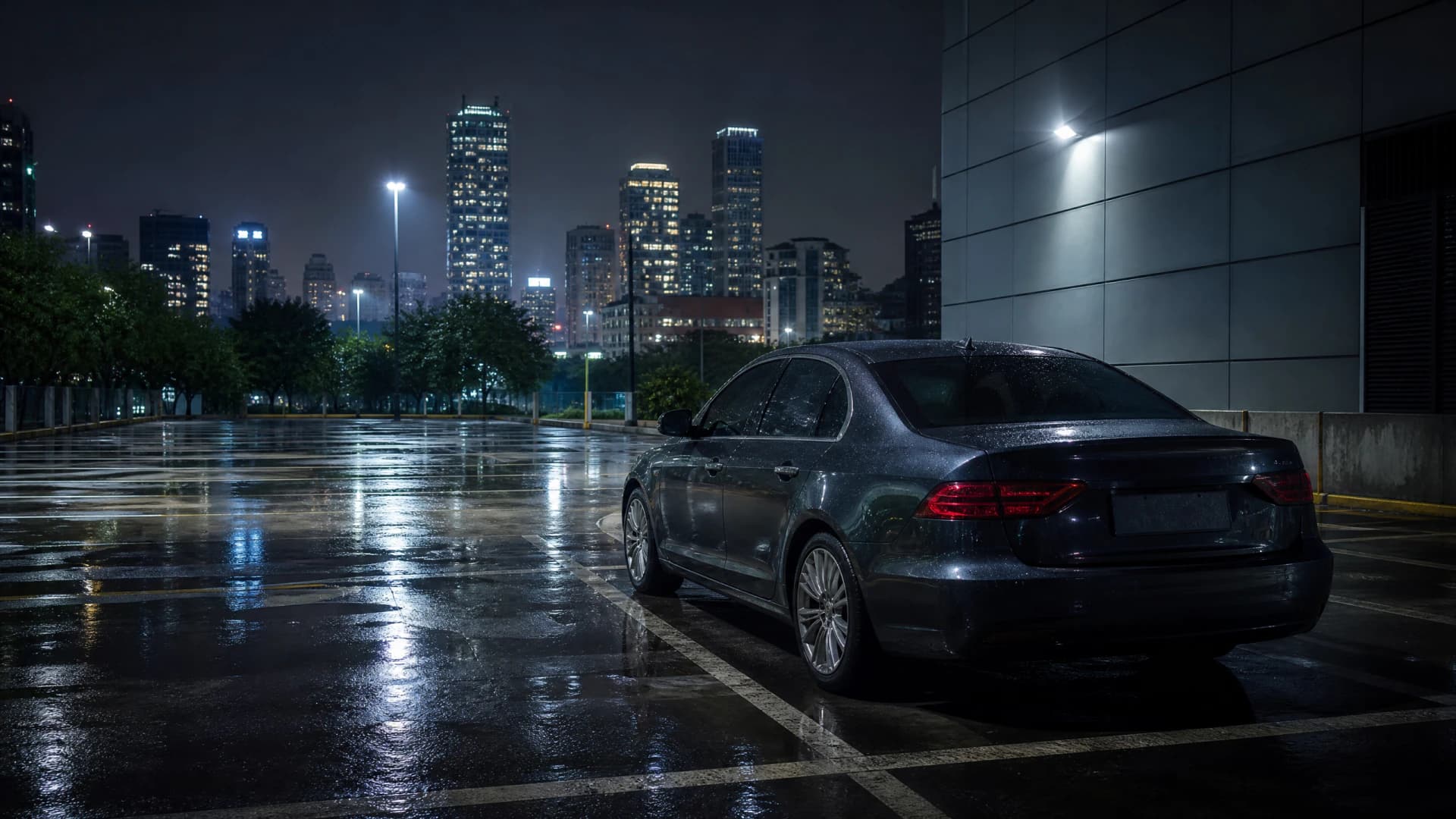
Your carrier prices the policy based on where the car is garaged, not where it is registered. Once the vehicles are in Washington, the old policy no longer matches the risk.
Related Articles





What Happens If You Register the Vehicles in Washington Before Switching the Policy
If you register your vehicles in Washington while the policy still lists your old state, you create a mismatch between the policy and the registration. Your insurance card shows the old state; your registration shows Washington. If you are pulled over or involved in an accident, law enforcement will see the mismatch, and the officer may issue a citation for failure to provide proof of valid insurance even though you technically have coverage. The carrier may also refuse to pay a claim if it discovers the registration state does not match the policy.
Washington requires proof of financial responsibility to register a vehicle. The Department of Licensing will not issue registration without proof of insurance that meets Washington's minimum liability limits: $25,000 per person for bodily injury, $50,000 per accident for bodily injury, and $10,000 for property damage. If your out-of-state policy meets those minimums, the DOL will accept it for registration purposes, but that does not mean your carrier will continue to cover the vehicle under the out-of-state policy once it is registered in Washington. You must switch to a Washington policy immediately after registration to avoid the mismatch.
The failure mode most households miss: they register the vehicles to comply with the 30-day deadline, assume the old policy still covers them because the carrier has not said otherwise, and discover weeks later — often after a claim is denied — that the policy lapsed or was canceled for misrepresentation. The carrier does not always notify you immediately when it discovers the mismatch; it may wait until you file a claim to investigate the garaging address and registration state.
$25,000 / $50,000 / $10,000
Washington Minimum Liability Limits
Washington requires $25,000 per person for bodily injury, $50,000 per accident for bodily injury, and $10,000 for property damage. Your new Washington policy must meet these minimums to register your vehicles.
Washington State Department of Licensing

How to Switch Both Vehicles to a Washington Policy Without a Coverage Gap
Contact your current carrier within the first week of the move and ask whether it writes policies in Washington. Many national carriers operate in Washington and can convert your existing policy to a Washington policy without requiring you to cancel and restart. If your carrier writes in Washington, it will re-rate both vehicles based on Washington garaging, apply Washington liability minimums, and issue a new policy effective on the date you specify. Request the effective date to align with your registration appointment so the policy and registration match from day one.
If your current carrier does not write in Washington or if the re-rated premium is significantly higher than you expected, compare Washington carriers before you cancel the old policy. Obtain quotes from at least three carriers that write multi-car policies in Washington, confirm each quote includes both vehicles on the same policy to preserve the multi-car discount, and verify the effective date can be scheduled to match your registration date. Once you select a carrier, bind the new policy, then cancel the old policy effective the same date the new policy starts. Do not cancel the old policy before the new one is bound — a gap in coverage, even for a single day, can trigger higher rates when you apply for the Washington policy.
Compare Washington Carriers That Write Multi-Car Policies and Bind Before You Register
Washington's carrier market includes both national and regional insurers that write multi-car policies. The multi-car discount applies when both vehicles are on the same policy, but the size of the discount and the base rate vary significantly by carrier. A smaller discount on a lower base rate can produce a lower total premium than a larger discount on a higher base rate, so compare the final premium for both vehicles together, not the discount percentage alone. Use the site's comparison tool to request quotes from carriers licensed in Washington, confirm each quote reflects Washington garaging and Washington liability minimums, and bind the policy at least one week before your registration appointment. That buffer ensures the policy is active and the insurance card is in hand when you arrive at the Department of Licensing to register the vehicles.
The Timeline: Registration Deadline, Carrier Grace Period, and Coverage Gap Risk
Washington's 30-day registration requirement starts when you establish residency. If you sign a lease on March 1, your vehicles must be registered in Washington by March 31. Once you register the vehicles, the registration state on the policy no longer matches the actual registration state, and your carrier will require you to switch to a Washington policy or cancel coverage. Some carriers allow you to update the policy to reflect the new garaging address and issue a Washington policy under the same account; others require you to cancel the old policy and start a new one.
Your carrier's grace period is separate from the state's registration deadline. Most carriers allow 30 to 60 days after a move to update your address and obtain a new policy, but the grace period is not automatic — you must notify the carrier of the move within the timeframe specified in your policy. If you do not notify the carrier and a claim occurs after the grace period expires, the carrier can deny the claim on the grounds that the garaging address was misrepresented. The safest approach: contact your carrier within the first week of the move, confirm the grace period, and schedule the policy switch before the 30-day registration deadline.
Get Your Free Quote
Get My Washington Car Insurance QuoteFrequently Asked Questions
Can I keep my out-of-state insurance after moving to Washington?
No. Washington requires new residents to register vehicles within 30 days of establishing residency, and most carriers will not cover Washington-garaged vehicles on an out-of-state policy once registration occurs. You must obtain a Washington policy that reflects Washington garaging and liability minimums.
What happens if I register my car in Washington but keep my old state's insurance?
You create a mismatch between the policy and the registration. Your carrier may deny a claim or cancel the policy for misrepresentation of garaging location. Law enforcement may also cite you for failure to provide valid proof of insurance even though you technically have coverage.
How long does my carrier's grace period last after I move to Washington?
Most carriers allow 30 to 60 days after a move to update your address and obtain a new policy, but the grace period is not automatic. You must notify the carrier of the move within the timeframe specified in your policy, typically 30 days.
Do I need to cancel my old policy before getting a Washington policy?
No. Bind the new Washington policy first, then cancel the old policy effective the same date the new one starts. A gap in coverage, even for a single day, can trigger higher rates when you apply for the Washington policy.
Will my multi-car discount transfer when I switch to a Washington policy?
The multi-car discount applies when both vehicles are on the same Washington policy, but the size of the discount and the base rate vary by carrier. Compare final premiums for both vehicles together to find the lowest total cost.