Multi-Car Insurance Savings — Washington
Free to compare
When Adding a Second Vehicle Changes Your Premium
You just bought a second car and need to decide whether to add it to your existing Washington policy or start a new one. The decision matters because adding a vehicle mid-term re-rates your entire policy, not just tacks on a flat amount for the new car. Every vehicle on the policy gets re-priced based on the combined risk profile.
Most Washington households assume the multi-car discount automatically applies when you own multiple vehicles. It doesn't. The discount requires every vehicle to sit on the same policy, and most carriers also require shared garaging at the address listed on the policy. A car titled to a household member on a separate policy does not count toward your multi-car discount, even if you live at the same address.
“The multi-car discount only applies when every vehicle sits on the same policy with shared garaging.”

Check Your Rate Against Other Washington Drivers
Get My Washington Car Insurance Quote$25,000/$50,000/$10,000
Washington Minimum Liability
Washington requires $25,000 bodily injury per person, $50,000 per accident, and $10,000 property damage for every vehicle you register. Each car on your policy must meet these minimums independently.
Washington State Department of Licensing
The Multi-Car Discount Requires Same-Policy Placement
The multi-car discount is not a household discount. It applies only when every vehicle sits on one policy issued to the same policyholder. If you and your spouse each maintain separate policies, you do not receive the multi-car discount, even if both policies cover cars garaged at the same address.
Most Washington carriers also require that all vehicles share a garaging address. A car garaged at a second property, a college student's apartment, or a vacation home typically does not qualify for the same-policy multi-car discount unless the carrier allows multiple garaging locations under one policy. Check your carrier's specific rules before assuming the discount applies.
When you combine two existing policies into one, the new policy re-rates every vehicle based on the combined driving records of all listed drivers. A clean-record driver adding a spouse with a recent ticket may see the combined premium rise, not fall, even with the multi-car discount applied. The discount offsets part of the higher base rate, but it does not guarantee a lower total premium.
The multi-car discount only applies when every vehicle sits on the same policy with shared garaging. Separate policies mean no discount, even in the same household.



How Adding a Vehicle Mid-Term Re-Rates Your Policy
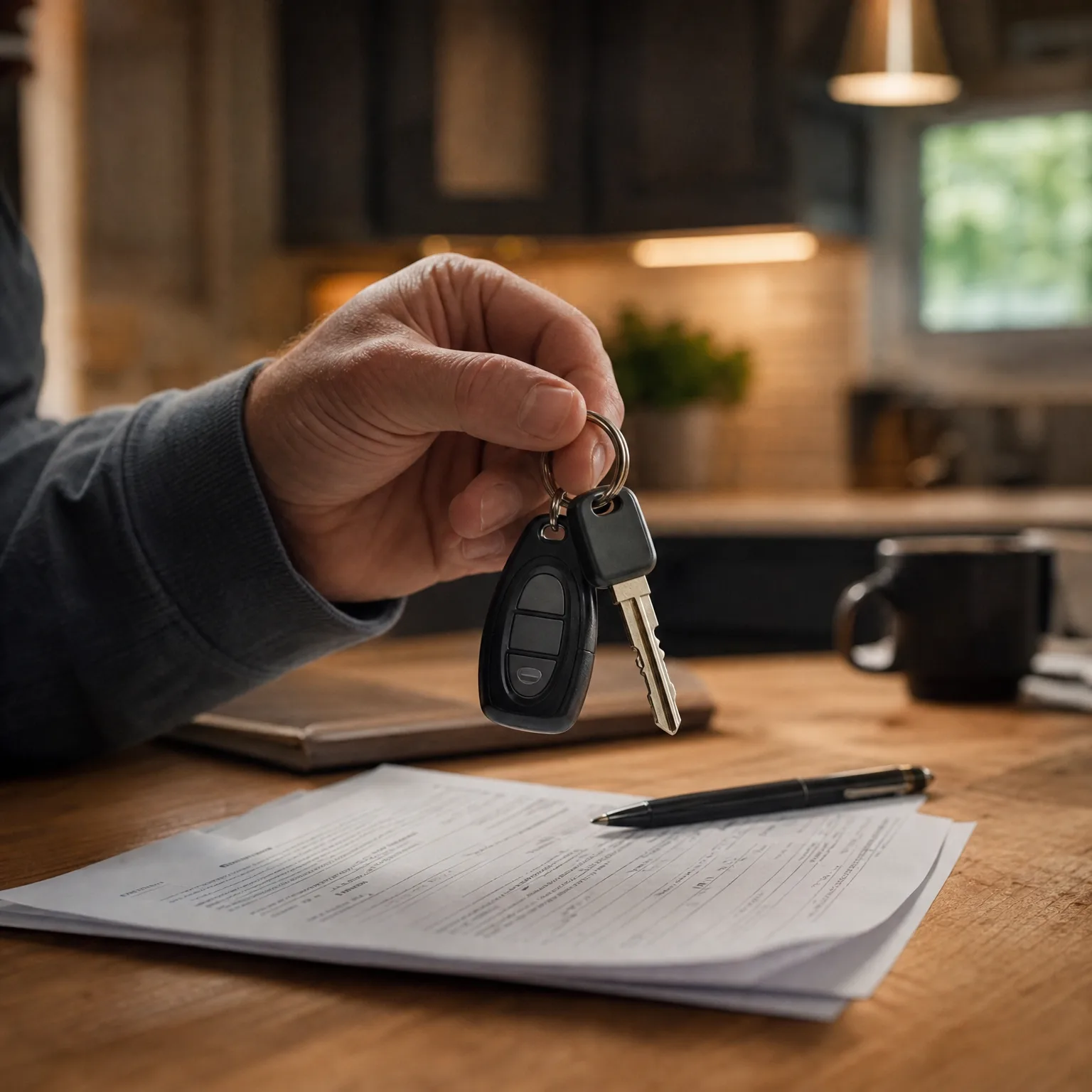
When you add a vehicle to an existing Washington policy, the carrier re-rates the entire policy effective the date you add the car. The new premium reflects the combined risk of all vehicles and all listed drivers, not just the incremental cost of the additional car. A household adding a high-value vehicle or a car driven by a young driver often sees a larger premium jump than expected.
Most Washington carriers provide a grace period of 14 to 30 days to report a newly purchased or leased vehicle. During the grace period, the new car is covered under your existing policy's liability and physical-damage limits. After the grace period expires, an unreported vehicle is not covered, and a claim on that car will be denied. Report the vehicle within the grace period to avoid a coverage gap.
If the combined premium after adding the vehicle exceeds your budget, you can adjust coverage on one or more cars to bring the total down. Dropping collision and comprehensive on an older, low-value vehicle while maintaining full coverage on newer cars is a common strategy for multi-car households. Each vehicle on the policy can carry different coverage levels as long as every car meets Washington's minimum liability requirements.
19.1%
Washington Uninsured Motorist Rate
Nearly one in five Washington drivers operates without insurance. Uninsured motorist coverage is not required by the state, but it protects you when an at-fault driver cannot pay for damage to your vehicles or injuries to your household.
Insurance Information Institute, 2023

When Combining Policies After Marriage or a Move
Two households merging into one often assume combining auto policies automatically saves money. It doesn't always. The multi-car discount offsets part of the higher base rate that results from adding a second driver's record, but if one spouse carries a recent ticket, accident, or lapse, the combined premium may exceed the sum of the two separate policies.
Washington carriers re-rate the combined policy based on the worst driver's record. A clean-record driver with a low premium adding a spouse with a DUI or suspended-license history will see the new policy priced at the higher-risk tier, even if the high-risk spouse drives only one of the two cars. The multi-car discount reduces the combined premium, but it does not override the underwriting tier shift.
Compare Carriers That Write Your Household's Vehicle Count
Not every Washington carrier accepts the same household structures. A two-car household with clean records qualifies for preferred-tier rates from State Farm, USAA, and Amica. A four-car household with one driver carrying points may need to compare standard-tier carriers like Geico, Progressive, and Farmers. A household with five vehicles or a mix of personal and commercial use may need Bristol West, Dairyland, or a specialty carrier.
Run quotes with at least three carriers that write your vehicle count and driver profile. The multi-car discount percentage varies by carrier, but a smaller discount on a lower base rate often beats a larger discount on a higher one. Compare the total annual premium for all vehicles combined, not the per-vehicle breakdown. Use Washington's minimum liability limits as the baseline, then add coverage from there based on your household's asset exposure and vehicle values.
Which Washington Carriers Write Multi-Vehicle Policies
Allstate, American Family, Farmers, Geico, Liberty Mutual, Progressive, State Farm, and USAA all write multi-vehicle policies in Washington and offer multi-car discounts. These carriers typically accept up to four vehicles on one policy without requiring a commercial or fleet product. Households with five or more vehicles may need to split coverage across two policies or move to a specialty carrier.
Bristol West, Dairyland, National General, and The General write non-standard multi-vehicle policies for households where one or more drivers carry a recent violation or suspension. These carriers often accept higher vehicle counts and more complex household structures, but base rates run higher than standard-tier carriers even with the multi-car discount applied.
Get Your Free Quote
Get My Washington Car Insurance QuoteFrequently Asked Questions
Does Washington require the same coverage on every vehicle on a multi-car policy?
No. Washington requires every vehicle to meet the state's minimum liability limits of $25,000/$50,000/$10,000, but you can carry different coverage levels on each car. Many households maintain full coverage on newer vehicles and liability-only on older cars to reduce the total premium.
Can I get the multi-car discount if my spouse has a separate policy?
No. The multi-car discount requires every vehicle to sit on the same policy issued to the same policyholder. Two separate policies in the same household do not qualify, even if both policies cover cars garaged at the same address.
How long do I have to add a newly purchased car to my Washington policy?
Most Washington carriers provide a 14- to 30-day grace period to report a newly purchased or leased vehicle. During the grace period, the new car is covered under your existing policy's limits. After the grace period expires, an unreported vehicle is not covered.
Will combining two policies after marriage always save money?
Not always. The multi-car discount offsets part of the higher base rate that results from combining two drivers' records, but if one spouse carries a recent violation or lapse, the combined premium may exceed the sum of the two separate policies.
Which Washington carriers accept more than four vehicles on one policy?
Most standard-tier carriers cap household policies at four vehicles. Households with five or more cars may need to split coverage across two policies or move to a specialty carrier like Bristol West or Dairyland that accepts higher vehicle counts.