
Electronic Insurance Verification — Washington
Free to compare
Washington Ties Every Vehicle You Own to One Insurance Record
You register a second car, provide proof of insurance, and assume each vehicle's coverage is tracked separately. Then your policy on the older car lapses for two weeks while you're switching carriers, and suddenly you cannot renew registration on either vehicle. Washington's Department of Licensing runs real-time electronic insurance verification across your entire driver record, not per vehicle. When the system flags a coverage gap on any car titled to you, it blocks registration transactions for all of them until you prove continuous coverage.
This structural reality catches multi-vehicle households off guard because most states verify insurance only at the moment you register or renew a specific car. Washington's system is different: it monitors every vehicle you own continuously and cross-references your insurance status at every registration renewal, license plate transaction, and traffic stop. One lapse creates a system-wide block.
“A coverage lapse on one vehicle blocks registration renewal for every car titled to you, even if the other vehicles carry active policies.”

Check Your Rate Against Other Washington Drivers
Get My Washington Car Insurance Quote19.1%
Washington Uninsured Motorist Rate
Nearly one in five Washington drivers operates without insurance, which is why the state runs continuous electronic verification rather than relying on periodic checks. The system is designed to catch lapses the moment they occur.
Insurance Research Council, 2023
How the Electronic Verification System Actually Works
Washington's Department of Licensing maintains a database that receives daily updates from every insurance carrier licensed to write auto policies in the state. When you buy coverage, your carrier transmits your policy number, VIN, coverage start date, and your driver license number to DOL within 24 hours. When your policy renews, lapses, or cancels, the carrier sends another transmission the same day. DOL cross-references this stream against its vehicle registration database and your driver record continuously.
At registration renewal, the system checks whether every vehicle titled to your name or to anyone in your household shows active coverage in the carrier feed. If any vehicle is flagged as uninsured, the renewal transaction stops. You receive a notice requiring proof of continuous coverage before DOL will process any registration tied to your driver record. The same check runs when you transfer a title, apply for new plates, or reinstate a suspended registration.
Law enforcement accesses the same database during traffic stops. An officer who runs your plate sees your insurance status in real time. If the system shows a lapse, you can be cited on the spot even if you're carrying an expired insurance card. The card is not proof under Washington law; the electronic record is.
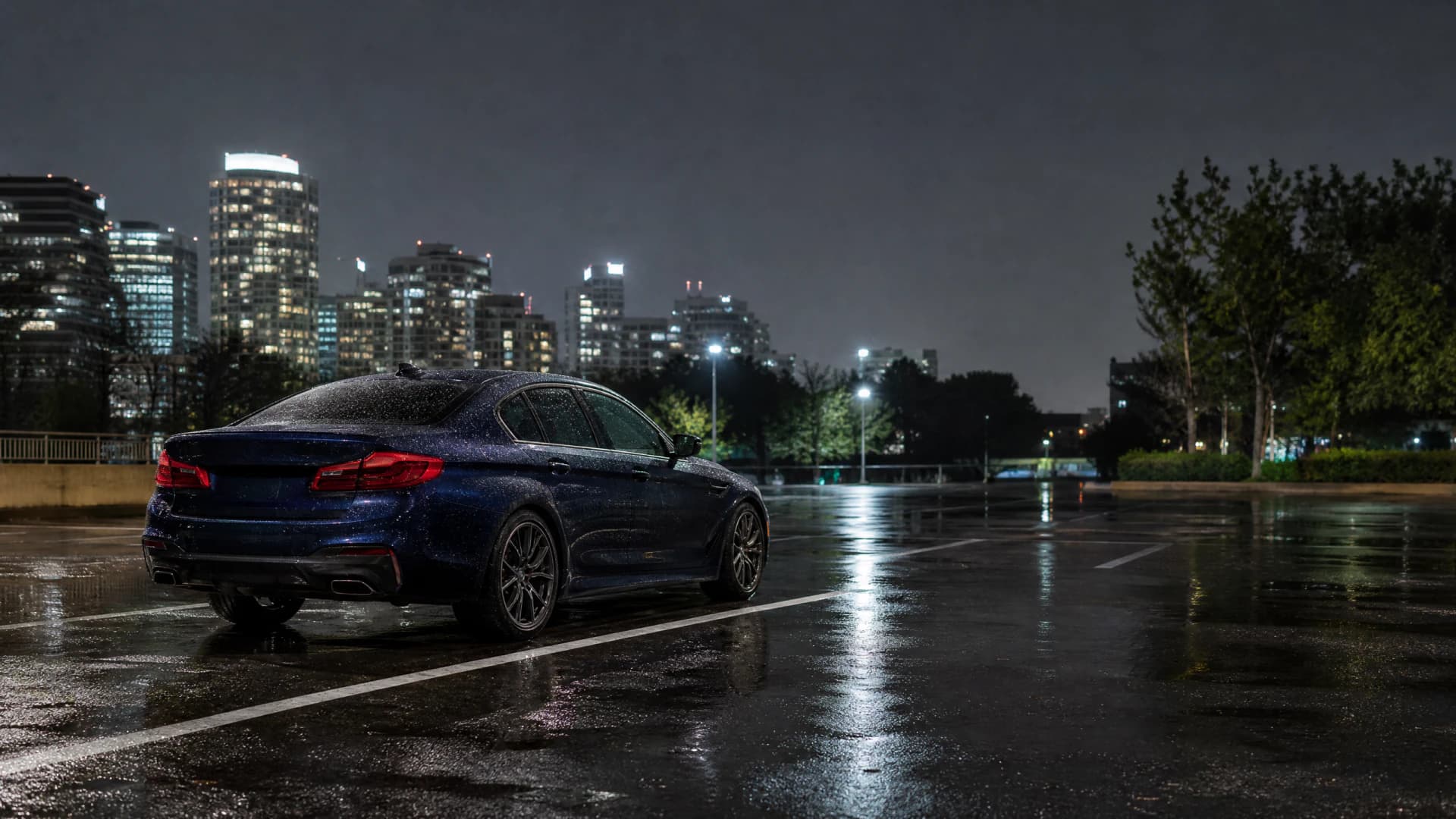
A coverage lapse on one vehicle blocks registration renewal for every car titled to you, even if the other vehicles carry active policies.
Related Articles

Why Switching Carriers Mid-Term Triggers False Flags
The most common cause of a system block is a timing gap when you switch carriers mid-term. Your old carrier transmits a cancellation notice to DOL the day you cancel, but your new carrier may not transmit the new policy start date until 24 to 48 hours later. During that window, the DOL system sees no active coverage and flags your record. Even though you had continuous coverage, the electronic record shows a gap.
To avoid this, request that your new carrier bind coverage with a start date that overlaps your old policy by at least one day, then cancel the old policy effective the day after the new one starts. This creates a one-day overlap in the carrier feeds, which prevents the system from ever seeing a gap. Most carriers allow same-day binding when you're switching, and the one day of double premium is cheaper than the reinstatement process and registration delays that follow a false flag.
If you're insuring multiple vehicles and switching only one car to a different carrier while keeping others on the original policy, confirm with both carriers that the VIN-level transmission to DOL will reflect the correct start and end dates for each vehicle. A clerical error that swaps VINs or reports the wrong effective date can trigger a system-wide block even though no actual lapse occurred.
$25,000 / $50,000 / $10,000
Washington Minimum Liability Limits
Washington requires $25,000 bodily injury per person, $50,000 per accident, and $10,000 property damage. Every vehicle you register must show coverage meeting these minimums in the DOL verification system, and a lapse on any vehicle blocks renewals for all.
RCW 46.29.490

How the System Handles Household Policies with Multiple Vehicles
When you insure multiple vehicles on one policy, your carrier transmits all VINs under a single policy number in its daily feed to DOL. The system treats this as one coverage unit: if the policy lapses, every vehicle on it is flagged simultaneously. If you remove one vehicle from the policy mid-term — because you sold it, transferred it to another household member, or moved it to a separate policy — your carrier must transmit an updated VIN list to DOL within 24 hours. A delay in that update can cause the system to flag the removed vehicle as uninsured and block your registration renewals.
This becomes complicated when household members share a garaging address but carry separate policies. DOL does not automatically link those policies in its verification system, so each driver's record is checked independently. However, if one household member's registration is blocked due to a lapse, and you attempt to renew a vehicle titled jointly to both of you, the system may block the transaction until the other member's record is cleared. Confirm with your carrier that every vehicle titled to you or jointly with a household member is listed correctly on the policy transmitted to DOL.
Compare Carriers That Write Multi-Vehicle Policies in Washington
Washington's electronic verification system does not distinguish between carriers; it only checks whether the transmitted policy data shows active coverage meeting state minimums. However, carriers vary significantly in how quickly they transmit policy changes to DOL and how they handle mid-term VIN updates when you add or remove a vehicle. A carrier that batches its DOL transmissions once daily creates a longer window for false flags than one that transmits in real time.
When you're comparing carriers for a multi-vehicle policy, ask how quickly the carrier transmits new policy bindings and cancellations to the state, and whether it confirms DOL receipt before finalizing a cancellation. Carriers that offer same-day electronic filing and real-time DOL integration reduce the risk of coverage gaps appearing in the state system. Use the site's comparison tool to identify carriers writing multi-vehicle policies in Washington and confirm their DOL transmission process before you switch.
What Counts as Proof When the System Flags a Lapse
DOL accepts a declaration page from your current carrier showing the policy was active during the lapse period, or a letter from your prior carrier confirming the cancellation date if you switched mid-term. If you sold the vehicle, you need the bill of sale with the date of transfer and proof that coverage continued until that date. If the vehicle was totaled, you need the insurance claim settlement letter showing the date of loss. DOL will not lift the block based on a current insurance card alone; the documentation must cover the specific gap the system flagged.
The reinstatement process requires you to submit proof online through the DOL licensing portal or in person at a driver licensing office. Processing typically takes 3 to 5 business days after DOL receives acceptable documentation. Until the block is lifted, you cannot renew registration on any vehicle, transfer plates, or complete any title transaction tied to your driver record. Plan for this delay when a lapse occurs, especially if multiple vehicles are approaching renewal.
Get Your Free Quote
Get My Washington Car Insurance QuoteFrequently Asked Questions
How does Washington verify car insurance electronically?
Washington's Department of Licensing receives daily updates from every licensed carrier showing policy start dates, cancellations, and VINs covered. The system cross-references this feed against vehicle registrations and driver records continuously. At renewal, title transfer, or a traffic stop, the system checks whether every vehicle titled to you shows active coverage.
What happens if Washington's system flags a coverage lapse on one of my cars?
DOL blocks registration renewal for every vehicle titled to you until you provide proof of continuous coverage for the flagged vehicle. You must submit a declaration page or carrier letter covering the disputed period. Processing takes 3 to 5 business days after DOL receives acceptable documentation.
Can I get cited for no insurance if I have an insurance card but the electronic system shows a lapse?
Yes. Washington law enforcement relies on the DOL electronic verification system, not your insurance card. If the system shows a lapse at the time of the stop, you can be cited even if you're carrying a card. The electronic record is the legal proof of coverage.
How do I avoid a false coverage gap when switching carriers in Washington?
Request that your new carrier bind coverage with a start date one day before you cancel your old policy. This creates a one-day overlap in the carrier feeds to DOL, which prevents the system from seeing a gap. Most carriers allow same-day binding when you're switching.
Does Washington verify insurance separately for each vehicle or for my entire driver record?
Washington verifies coverage across your entire driver record. The system checks every vehicle titled to you or jointly with a household member. A lapse on any one vehicle blocks registration transactions for all of them until the record is cleared.
How long does it take for a new policy to show up in Washington's verification system?
Most carriers transmit new policy bindings to DOL within 24 to 48 hours. However, transmission timing varies by carrier. A delay can cause the system to flag a coverage gap even though you had continuous coverage. Ask your carrier how quickly it transmits to DOL before you switch.