
What Happens the Moment Washington Discovers You Drove Uninsured
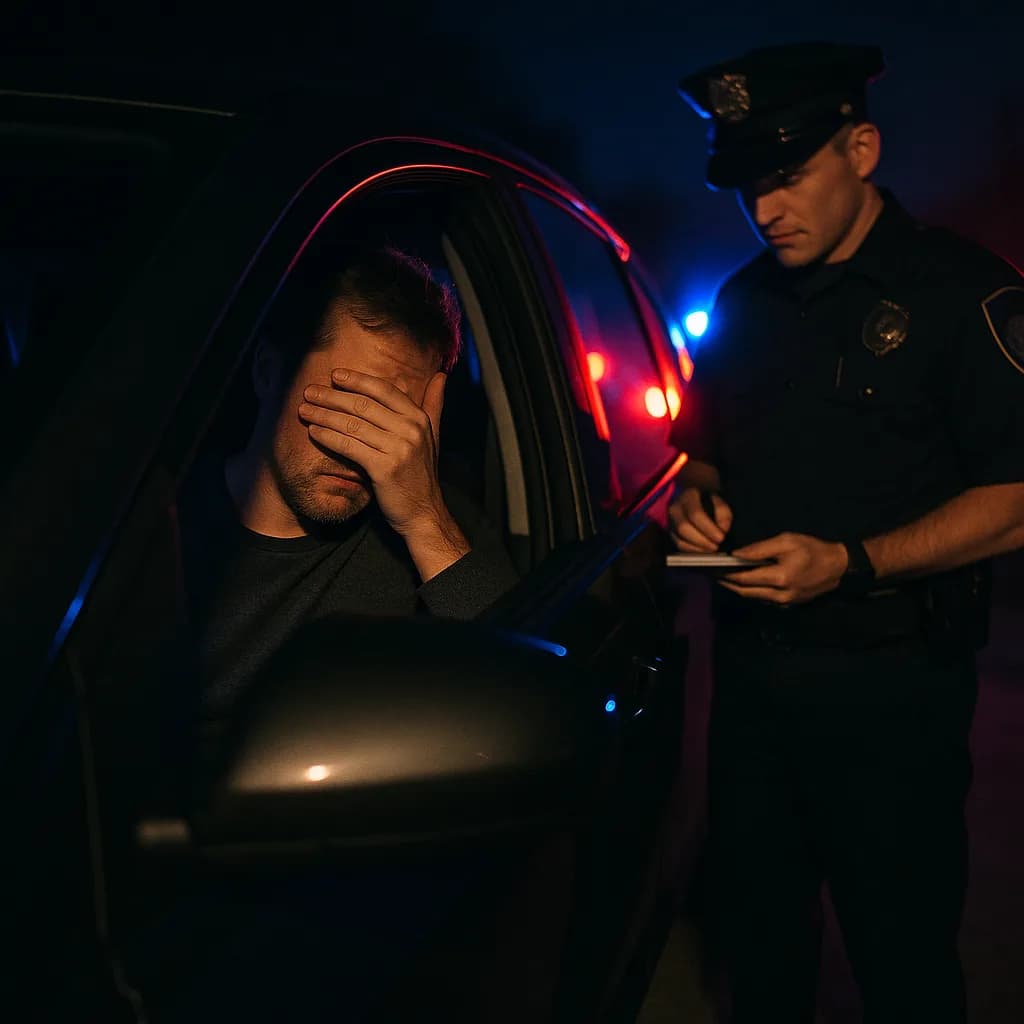
You were pulled over, or you were involved in an accident, and the officer or the other driver's insurer asked for proof of insurance. You did not have it. Washington's Department of Licensing now has a record that you operated a vehicle without active coverage, and the administrative suspension process begins immediately. This is not a ticket you pay and forget — the state treats uninsured driving as a threat to every other driver on the road and responds with license suspension, not just a fine.
The suspension is administrative, not criminal. You do not go to court to contest it in the same way you would a traffic citation. The DOL suspends your license as soon as it receives notice from law enforcement or an insurer that you drove without coverage. The suspension remains in effect until you prove you have obtained insurance and pay the reinstatement fee. Buying insurance after the fact does not lift the suspension automatically — you must complete the reinstatement process to drive legally again.
Compare car insurance rates in your state
Get quotes from licensed carriers — no obligation, no spam, results in minutes.
Get Your Free QuoteWashington Uninsured Motorist Rate
19.1%
Nearly one in five drivers on Washington roads operates without insurance, which is why the state enforces mandatory coverage with immediate license suspension upon discovery. The high uninsured rate makes proof-of-insurance enforcement a priority.
Insurance Information Institute, 2023
Washington Suspends Your License, Not Just Your Registration
Washington suspends your driver license, not just your vehicle registration. You cannot drive any vehicle — not your own car, not a rental, not a borrowed vehicle — until the suspension is lifted. The suspension follows you, not the car. If you are caught driving on a suspended license, you face additional criminal penalties including possible jail time, and the suspension period extends.
The state does not distinguish between "I forgot to renew my policy" and "I chose not to carry insurance." Both trigger the same suspension. The DOL's position is that every driver must maintain continuous coverage from the moment they register a vehicle or obtain a license. A lapse of even one day, if discovered, starts the suspension process.
Washington does not offer a grace period after your policy lapses. If your insurer cancels your policy for non-payment and reports the cancellation to the DOL, the suspension notice goes out immediately. You will not receive a warning letter asking you to reinstate coverage before the suspension takes effect — the suspension is the first notice in most cases.
The suspension is not lifted by buying insurance.
How to Reinstate Your License After an Uninsured-Driving Suspension
First, obtain an auto insurance policy that meets Washington's minimum liability requirements: $25,000 bodily injury per person, $50,000 bodily injury per accident, and $10,000 property damage. The policy must be active and paid for at least the first term before the insurer will issue proof. You cannot reinstate with a quote or a binder — the DOL requires confirmation that the policy is in force.
Second, your insurer must file proof of financial responsibility with the DOL. Most insurers file this electronically within one business day of policy activation, but some still use paper forms that take up to five business days to process. Call your insurer and confirm they have filed the proof before you proceed to the third step. If the DOL does not have the proof on file when you attempt reinstatement, your application will be rejected and you will have to return after the filing clears.
Related Articles



The Reinstatement Fee and How to Pay It
You can pay online through the DOL's License Express portal, by mail, or in person at any driver licensing office. The fee is non-refundable and must be paid in full before the suspension is lifted. The DOL does not offer payment plans for reinstatement fees.
Once the DOL confirms that your insurer has filed proof of coverage and that you have paid the reinstatement fee, the suspension is lifted. You can verify reinstatement status online through License Express or by calling the DOL directly. Do not attempt to drive until you have written or electronic confirmation that the suspension has been removed from your record. If you are stopped while the suspension is still active, you will be charged with driving while license suspended, a criminal offense that carries jail time and extends the suspension period.
If you need to drive for work, medical appointments, or other essential purposes during the suspension period, Washington offers an Occupational/Restricted Driver License. The ORL allows you to drive for approved purposes only — work, school, court-ordered treatment, and medical care — and restricts the times and areas where you can drive. You must apply for the ORL separately, provide proof of insurance, and pay a $100 application fee. The ORL does not replace full reinstatement; it is a temporary measure that allows limited driving while you resolve the underlying suspension.
Washington License Reinstatement Fee
The reinstatement fee is fixed by statute and applies to every uninsured-driving suspension. It is separate from any traffic fines or court costs you may owe if you were cited for driving without insurance at the time of discovery.
Washington State Department of Licensing
Criminal Penalties and Fines for Driving Without Insurance
In addition to the administrative license suspension, you may face criminal penalties if you were cited for driving without insurance at the time of the stop or accident. Washington treats uninsured driving as a traffic infraction, not a criminal offense, but the fine can reach several hundred dollars depending on the county and whether you have prior violations. The fine is separate from the reinstatement fee and must be paid to the court, not the DOL.
If you were involved in an accident while uninsured, you are personally liable for all damages you caused. Washington is a fault state, which means the at-fault driver's insurance pays for the other party's injuries and property damage. If you have no insurance, the other party can sue you directly for medical bills, vehicle repair costs, lost wages, and pain and suffering. There is no cap on personal liability in Washington — if you caused a serious accident, you could be held responsible for hundreds of thousands of dollars in damages.
What to Do Right Now If You Are Driving Without Insurance
If you are currently driving without insurance and have not yet been caught, obtain coverage immediately. Call an insurer today and activate a policy that meets Washington's minimum liability requirements. The longer you drive uninsured, the higher the risk that you will be stopped, involved in an accident, or reported by a lapsed-policy notice from your previous insurer. Every day you delay increases the likelihood of suspension and the financial consequences that follow.
If you have already been suspended, do not drive until you complete the reinstatement process. Driving on a suspended license is a criminal offense in Washington, and a conviction adds at least one year to your suspension period, plus potential jail time and a permanent criminal record. If you need to drive for work or essential purposes, apply for an Occupational/Restricted Driver License through the DOL and provide proof of insurance and payment of the $100 ORL fee. The ORL allows limited driving while you work toward full reinstatement, but it does not excuse you from the underlying suspension or the requirement to maintain continuous coverage going forward.