
Washington Minimum Liability Limits — What They Mean
Free to compare
What the Three Numbers Actually Mean
Washington's mandatory 25/50/10 liability coverage breaks into three separate limits: $25,000 per person for bodily injury, $50,000 per accident for all bodily injuries combined, and $10,000 per accident for property damage. The first number caps what your policy pays for one injured person's medical bills, lost wages, and pain-and-suffering claims. The second number caps the total your policy pays for all injured people in a single accident, no matter how many people are hurt. The third number caps what your policy pays to repair or replace someone else's damaged vehicle or property.
These are the minimum amounts Washington law requires to register a vehicle and drive legally. Every vehicle on your policy must meet these minimums. When you insure two or more cars on one policy, each vehicle carries the same liability limits, but the per-accident caps apply to the entire policy, not per vehicle. That structural reality matters when one accident involves multiple vehicles you own.
“The $50,000 per-accident cap applies to your entire policy, not per vehicle—one serious accident can exhaust that limit.”

Check Your Rate Against Other Washington Drivers
Get My Washington Car Insurance Quote$25,000 / $50,000 / $10,000
Washington Minimum Liability
These are the lowest liability limits Washington allows. The $50,000 per-accident cap covers all bodily injuries in one accident, regardless of how many people are hurt or how many vehicles you own.
Washington State Department of Licensing
The Per-Accident Cap Covers Every Vehicle You Own
The $50,000 bodily-injury cap and the $10,000 property-damage cap apply per accident, not per vehicle. If you own three cars and one of them causes an accident that injures four people, your policy pays up to $50,000 total for all four people's injuries, not $50,000 per person beyond the first.
This structure creates exposure for multi-car households. The more vehicles you own, the more opportunities exist for an at-fault accident. Each vehicle on your policy shares the same per-accident liability cap. Adding a second or third car does not increase the $50,000 or $10,000 limits unless you explicitly raise them. Many drivers assume each vehicle carries its own $50,000 cap; that assumption is wrong and expensive when tested at claim time.
Washington does not require uninsured-motorist coverage or personal-injury-protection coverage. Those coverages are optional. The state mandates only liability coverage at the 25/50/10 minimums. If you carry only the minimums and an uninsured driver hits you, your own policy pays nothing for your injuries or your vehicle damage unless you added optional uninsured-motorist or collision coverage.
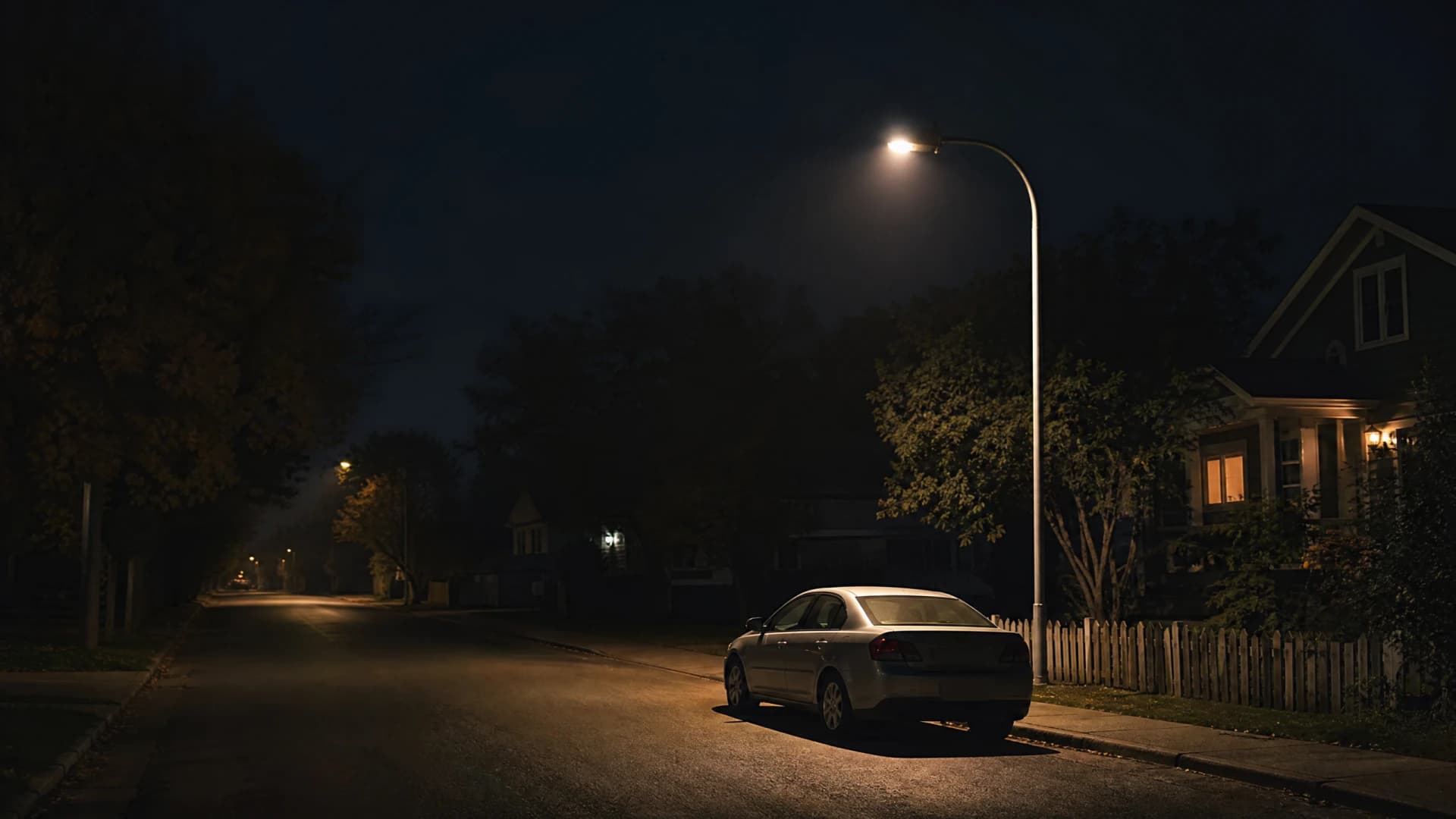
The $50,000 per-accident cap applies to your entire policy, not per vehicle. One serious accident involving any car you own can exhaust that limit.
Related Articles
Higher Limits Cost Less Than Personal Liability
Raising liability limits from 25/50/10 to 100/300/100 increases your premium, but the increase is smaller than most drivers expect. Doubling or tripling your bodily-injury and property-damage caps typically adds a modest amount per month per vehicle. That incremental cost is far lower than the out-of-pocket expense of a single accident that exceeds the minimums.
When you insure multiple vehicles, the cost-per-vehicle for higher limits often drops because of the multi-car discount. Carriers apply the discount to the total policy premium, and higher liability limits on a multi-car policy frequently cost less per vehicle than minimum limits on separate single-car policies. The structural advantage of one shared policy makes higher limits more affordable for households with two or more cars.
Compare quotes at 100/300/100 and 250/500/100 alongside the 25/50/10 minimum. The difference in premium is concrete; the difference in protection is the gap between manageable risk and financial catastrophe. Washington's minimum exists to allow legal registration, not to provide adequate protection for a household's assets or income.
19.1%
Washington Uninsured Motorist Rate
Nearly one in five Washington drivers carries no insurance. If an uninsured driver hits you and you carry only the state minimums with no uninsured-motorist coverage, your policy pays nothing for your injuries or vehicle damage.
Insurance Research Council, 2023
Uninsured-Motorist Coverage Fills the Gap
Washington does not require uninsured-motorist coverage, but 19.1% of Washington drivers carry no insurance. When an uninsured driver causes an accident, their nonexistent policy pays nothing. If you carry only liability coverage at the state minimums, your own policy also pays nothing for your injuries or your vehicle repairs. You are left to sue an uninsured driver who likely has no assets to seize.
Uninsured-motorist bodily-injury coverage pays your medical bills, lost wages, and pain-and-suffering claims when an uninsured or underinsured driver hits you. Uninsured-motorist property-damage coverage pays to repair or replace your vehicle. These coverages are optional in Washington, but they are the only protection you have against the one-in-five drivers who carry no insurance. Multi-car households face this exposure on every trip any household vehicle makes, and the probability of encountering an uninsured driver scales with the number of miles all household vehicles travel combined.
Compare Carriers That Write Multi-Car Policies in Washington
Seventeen carriers write auto insurance in Washington and offer multi-car policies. Allstate, American Family, Farmers, Geico, Progressive, State Farm, and USAA all write policies covering two or more vehicles and allow you to raise liability limits above the 25/50/10 minimums. Bristol West, Dairyland, National General, and The General write non-standard policies for drivers who need higher-risk coverage and also support multi-car households.
Request quotes at 100/300/100 liability limits with uninsured-motorist coverage at the same limits. Compare the total premium for all household vehicles on one policy against separate policies. The multi-car discount typically lowers the per-vehicle cost, and higher liability limits on a shared policy often cost less than minimum limits on separate policies. The comparison is concrete; the protection gap between minimums and adequate limits is measurable in dollars you would owe out of pocket after an accident that exceeds the caps.
What Happens When Limits Are Too Low
Washington courts can garnish wages, place liens on property, and seize assets to satisfy a judgment. The liability minimum protects you only up to the cap; beyond that, your personal assets are exposed.
Property damage works the same way. The $10,000 property-damage minimum covers a modest sedan's repair bill or replacement cost, but a collision that damages a new truck, an SUV, or a luxury vehicle easily exceeds $10,000. Multi-car households face this risk on every trip any household vehicle makes, and the frequency of exposure scales with the number of cars you own.
Get Your Free Quote
Get My Washington Car Insurance QuoteFrequently Asked Questions
Does Washington require liability insurance on every vehicle I own?
Yes. Every vehicle registered in Washington must carry at least 25/50/10 liability coverage. You can insure all household vehicles on one policy or separate policies, but each vehicle must meet the minimums. One shared policy typically costs less per vehicle because of the multi-car discount.
What happens if I cause an accident and the damages exceed my liability limits?
You are personally liable for the difference. Washington courts can garnish wages and seize assets to satisfy the judgment.
Do I need uninsured-motorist coverage in Washington?
Washington does not require it, but 19.1% of Washington drivers carry no insurance. If an uninsured driver hits you and you carry only liability coverage, your policy pays nothing for your injuries or vehicle damage. Uninsured-motorist coverage is the only protection you have against that one-in-five risk.
Does adding a second car to my policy increase my liability limits?
No. Adding a vehicle does not raise the per-accident liability caps. If your policy carries 25/50/10 limits, the $50,000 bodily-injury cap and $10,000 property-damage cap apply to the entire policy regardless of how many vehicles you own. You must explicitly request higher limits to increase those caps.
How much does it cost to raise liability limits above the Washington minimums?
The incremental cost varies by carrier, driving history, and location, but raising limits from 25/50/10 to 100/300/100 typically adds a modest amount per month per vehicle. Multi-car policies often see a smaller per-vehicle increase because the multi-car discount applies to the total premium. Compare quotes to see the exact difference.
Can I insure multiple cars on one policy if they are titled to different household members?
Yes, as long as all drivers and vehicles share the same garaging address. Most carriers require every household vehicle to sit on the same policy to qualify for the multi-car discount. A vehicle titled to a household member on a separate policy typically does not count toward the same-policy multi-car discount.