
Multi-Car Insurance Coverage Requirements — Washington
Free to compare
When Every Vehicle Shares One Set of Limits
You added a second or third car to your Washington policy and assumed each vehicle now carries its own $25,000/$50,000/$10,000 liability coverage. That's not how it works. Washington's minimum liability requirement applies to the policy itself, not to each vehicle listed on it. Every car you insure under one policy shares the same bodily injury and property damage limits, regardless of how many vehicles sit on the declaration page.
This structure creates confusion the moment a household adds a vehicle. Drivers expect coverage to scale with the number of cars — two cars, double the limits. Instead, the state minimum remains fixed at $25,000 per person injured, $50,000 per accident, and $10,000 for property damage, no matter how many vehicles you own. Understanding this distinction changes how you evaluate whether the state minimum is enough for a multi-car household.
“Washington's liability minimum applies to the policy, not to each vehicle — every car shares the same $25,000/$50,000/$10,000 limits.”
Check Your Rate Against Other Washington Drivers
Get My Washington Car Insurance Quote$25,000 / $50,000 / $10,000
Washington Liability Minimum Per Policy
Bodily injury coverage pays $25,000 maximum per person injured and $50,000 maximum per accident, with $10,000 for property damage. These limits apply to the entire policy, not to each vehicle listed.
Washington State Department of Licensing
How Liability Coverage Actually Applies Across Multiple Vehicles
The state minimum is a floor, not a per-vehicle allocation. When you carry $25,000/$50,000/$10,000 on a policy covering three cars, any one of those vehicles can trigger a claim that exhausts the full limit. If your teenager drives one car into another vehicle and injures two people, the policy pays up to $25,000 for the first injured person and up to $50,000 total for both. The fact that two other cars sit on the same policy does not increase those numbers.
This shared-limit structure means a multi-car household faces higher exposure than a single-car household at the same coverage level. More vehicles mean more drivers, more trips, and more opportunities for an at-fault accident. The state minimum was designed decades ago for simpler households. Medical costs and vehicle repair bills have climbed far beyond what $25,000 or $10,000 can cover in a serious collision.
Most carriers writing multi-vehicle policies in Washington recommend higher liability limits for households with two or more cars. These higher limits cost more per month but provide meaningful protection when multiple drivers share one policy and any single trip can exhaust the coverage.
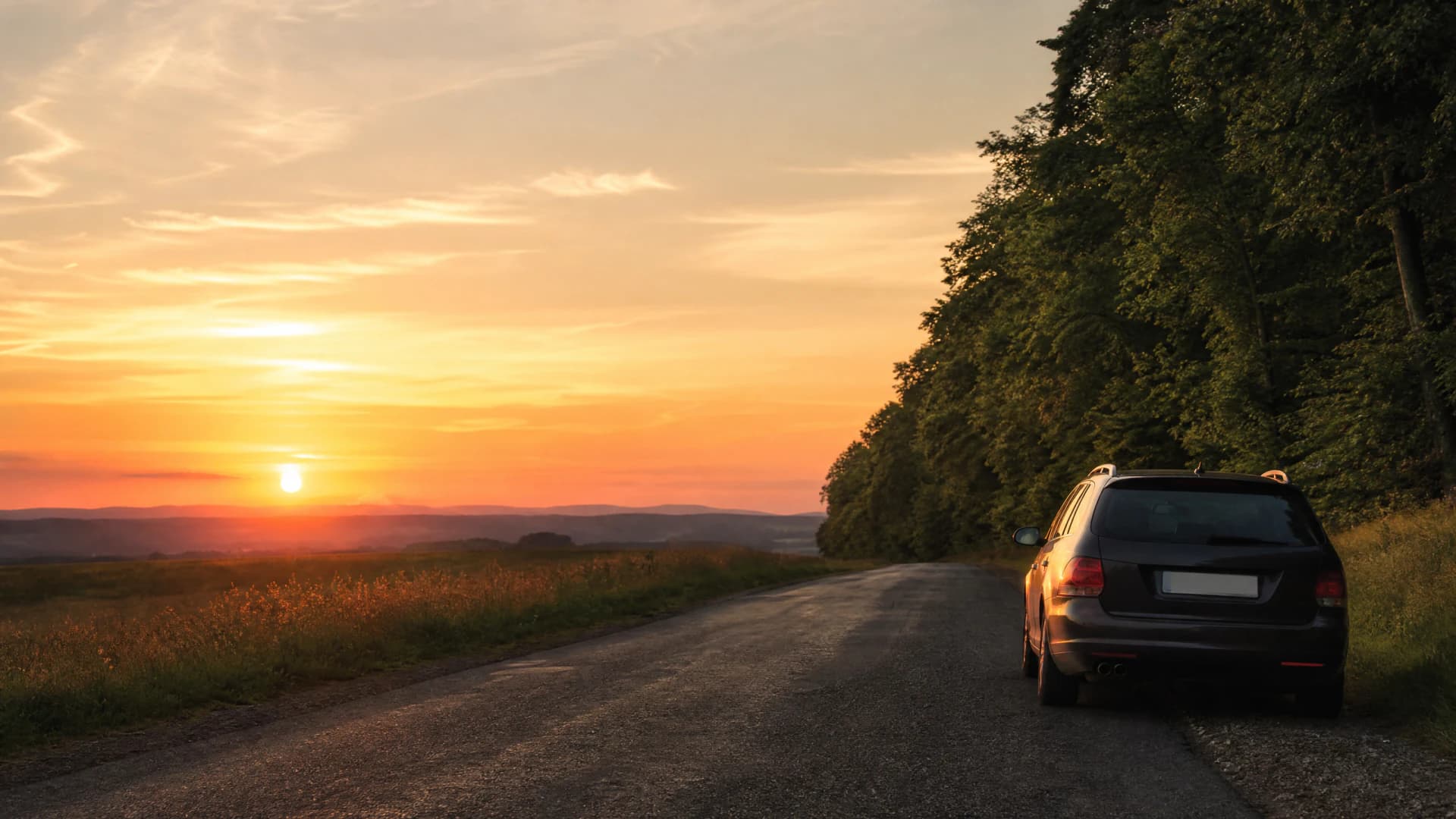
A single at-fault accident involving any vehicle on your policy can exhaust the entire liability limit, leaving no coverage for other cars until the policy renews.
Related Articles


Adding a Vehicle Mid-Term and How It Re-Rates the Policy
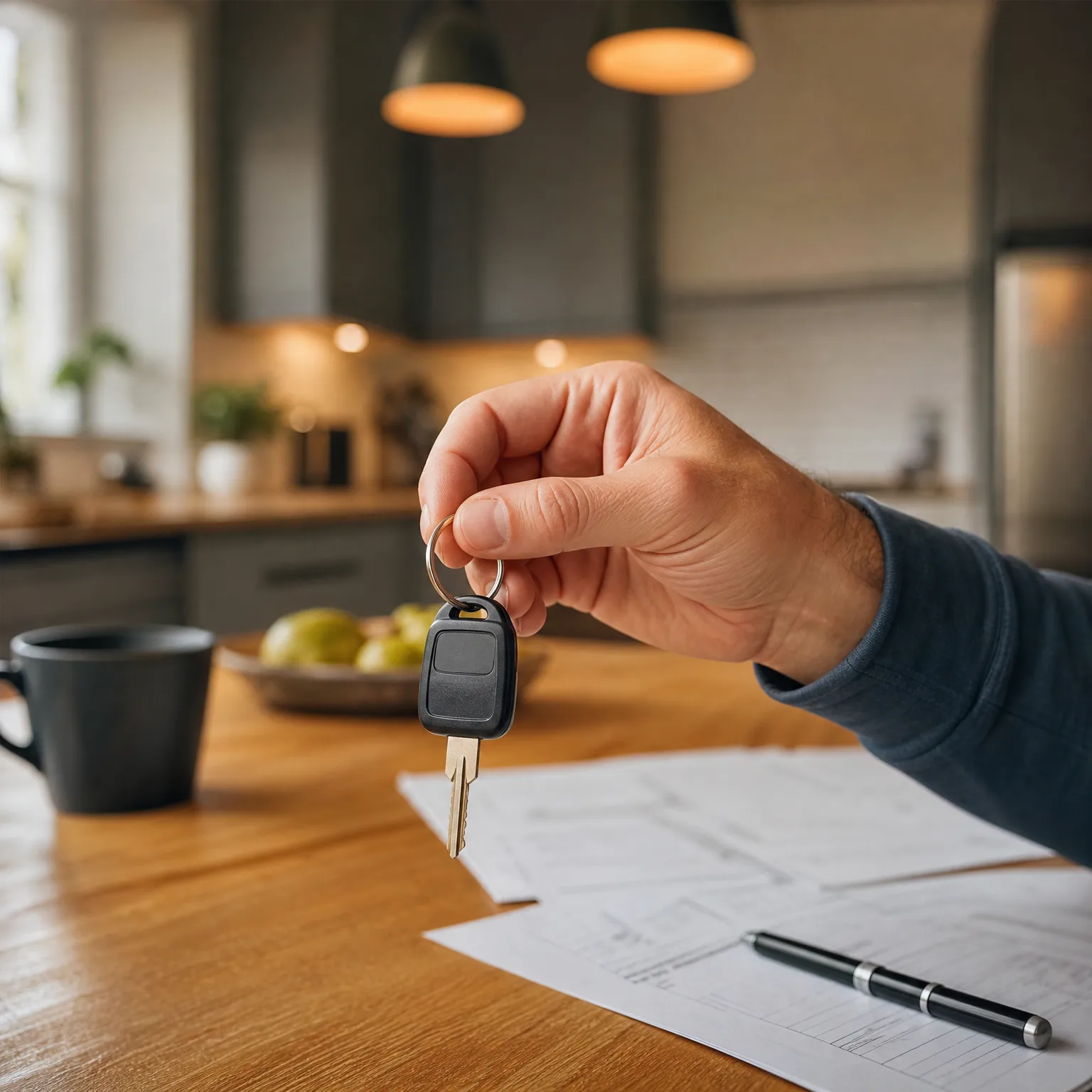
When you add a vehicle to an existing Washington policy, the carrier re-rates the entire policy, not just the new car. The premium increase reflects the new vehicle's rate plus any change to the multi-car discount tier. Some carriers apply a larger discount when you move from two vehicles to three; others hold the discount flat after the second car. The timing matters: adding a vehicle mid-term triggers a pro-rated adjustment for the remainder of the policy period, and the full re-rated premium applies at the next renewal.
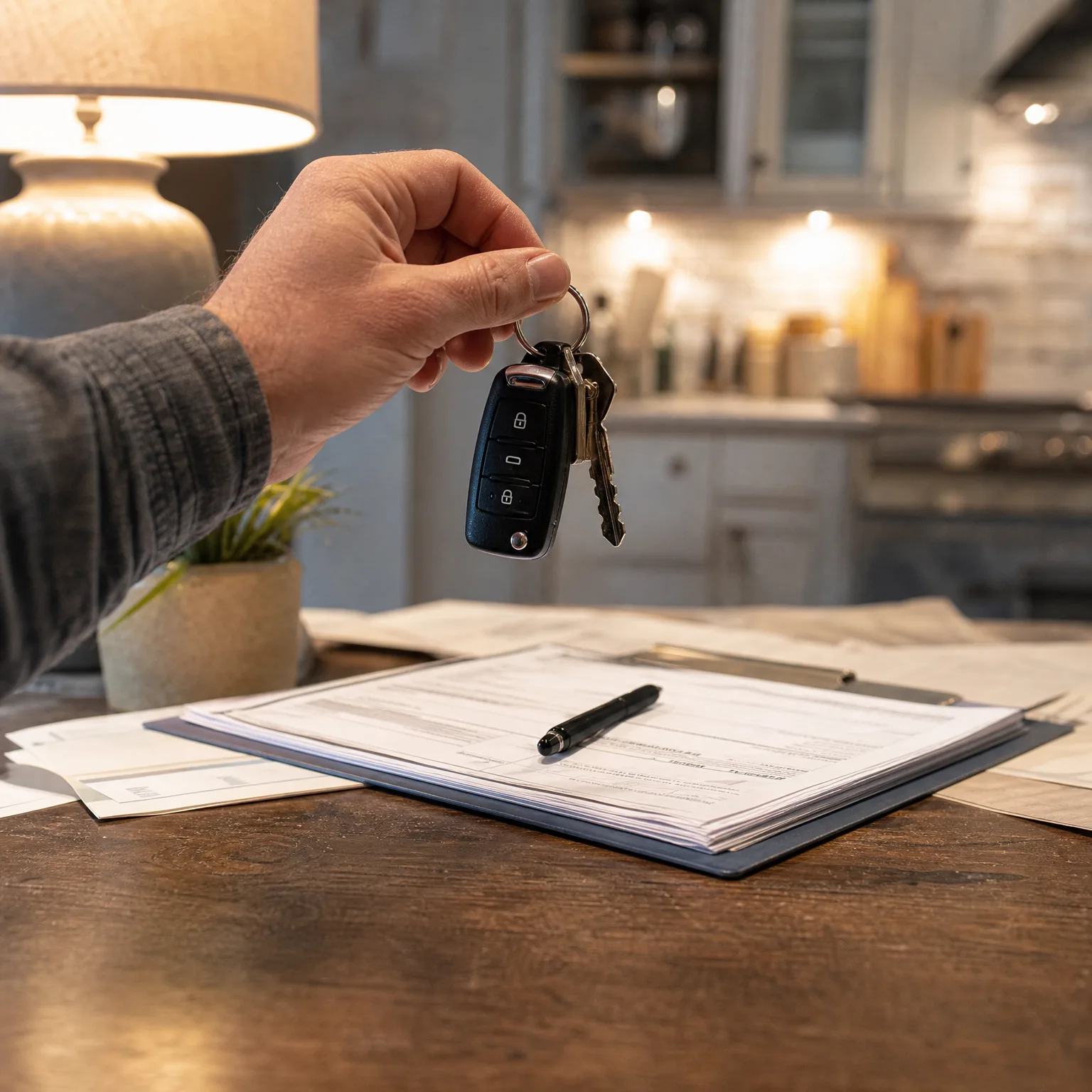
Carriers in Washington provide a grace period — typically 14 to 30 days — during which a newly purchased or leased vehicle is automatically covered under your existing policy at the same coverage levels as your other cars. You must report the new vehicle to the carrier within that window to maintain continuous coverage. Missing the deadline can result in a coverage gap, and a claim filed after the grace period expires may be denied if the vehicle was never formally added.
If the new vehicle is financed or leased, the lender will require proof that the car is listed on your policy with collision and comprehensive coverage. The lienholder notification must show the vehicle identification number, the coverage effective date, and the lender as the loss payee. Most carriers generate this documentation automatically when you add the vehicle, but confirm the lender receives it before the grace period closes.
19.1%
Washington Uninsured Motorist Rate
Nearly one in five drivers in Washington operates without insurance. Uninsured motorist coverage protects your household when an at-fault driver has no liability policy, and it applies to every vehicle on your policy.
Insurance Research Council, 2023
Uninsured Motorist Coverage and Why It Matters for Multi-Car Households
Washington does not mandate uninsured motorist coverage, but carriers must offer it. When you decline it, you sign a written waiver. For a multi-car household, uninsured motorist coverage provides a critical backstop: if an uninsured driver hits any vehicle on your policy, your own carrier pays for injuries and vehicle damage up to your uninsured motorist limits. Without it, you're left pursuing the at-fault driver directly, and most uninsured drivers lack assets to cover a claim.
Uninsured motorist coverage applies per policy, not per vehicle, just like liability. The cost is modest compared to the exposure: a household with three vehicles and multiple drivers faces three times the likelihood of encountering an uninsured driver compared to a single-car household. Declining the coverage to save a few dollars per month leaves the entire household exposed.
Compare Carriers That Write Multi-Vehicle Policies in Washington
Not every carrier writes multi-vehicle policies the same way. Some apply the multi-car discount after the second vehicle; others require three or more cars to unlock the largest discount tier. Liability limits, uninsured motorist options, and collision deductibles vary by carrier, and the premium difference for the same coverage can be significant. Washington licenses multiple carriers that specialize in multi-vehicle households, including State Farm, Geico, Progressive, Allstate, and Farmers.
When comparing carriers, request quotes at higher liability limits than the state minimum. Confirm that every vehicle qualifies for the multi-car discount under the carrier's same-policy and same-address requirements, and verify that the quote includes uninsured motorist coverage unless you explicitly choose to decline it. Use the site's comparison tool to see which carriers write your household's vehicle count and coverage structure, then request binding quotes from at least three.
What the Multi-Car Discount Requires in Washington
The multi-car discount reduces the combined premium when you insure two or more vehicles under one policy. Carriers calculate the discount after rating each vehicle individually, then apply a percentage reduction to the total. The discount does not change the liability limits — it only affects what you pay. A household carrying the state minimum on three cars pays less than three separate policies at the same limit, but the coverage itself remains $25,000/$50,000/$10,000 across all vehicles.
To qualify, most carriers require that every vehicle be titled to the same household members and garaged at the same address. A car titled to a household member living elsewhere, or a vehicle garaged at a second property, may not count toward the same-policy requirement. If you're combining policies after a marriage or a move, confirm with the carrier that every vehicle meets the same-policy and same-address criteria before assuming the discount applies.
Get Your Free Quote
Get My Washington Car Insurance QuoteFrequently Asked Questions
Does each vehicle on my Washington policy have its own liability limits?
No. Washington's minimum liability requirement applies to the policy itself, not to each vehicle. If you carry $25,000/$50,000/$10,000 on a policy covering three cars, all three vehicles share those same limits. A single at-fault accident involving any vehicle can exhaust the full coverage.
How does the multi-car discount work in Washington?
The multi-car discount reduces your total premium when you insure two or more vehicles on one policy. Carriers typically require every vehicle to be garaged at the same address and titled to the same household members. The discount applies after each vehicle is rated individually, then reduces the combined premium by a percentage that varies by carrier.
What happens if I add a vehicle to my policy mid-term?
Adding a vehicle mid-term triggers a re-rating of your entire policy, not just the new car. Most Washington carriers provide a 14- to 30-day grace period during which the new vehicle is automatically covered at your existing coverage levels. You must report the vehicle within that window to avoid a coverage gap.
Is uninsured motorist coverage required in Washington?
No. Washington does not mandate uninsured motorist coverage, but carriers must offer it and you must sign a waiver if you decline. For multi-car households, uninsured motorist coverage protects every vehicle and driver on the policy when an at-fault driver has no insurance. Nearly one in five Washington drivers is uninsured.
Can I insure vehicles garaged at different addresses on one policy?
Most carriers require every vehicle on a multi-car policy to be garaged at the same address to qualify for the multi-car discount. A vehicle garaged elsewhere may need its own separate policy. Confirm the carrier's same-address requirement before adding a vehicle that is not kept at your primary residence.
Should I carry higher liability limits than the state minimum on a multi-car policy?
Yes. The state minimum of $25,000/$50,000/$10,000 applies to the entire policy, not to each vehicle. A multi-car household has more drivers and more exposure, and a single serious accident can exhaust those limits quickly.