Car Insurance Laws Washington Drivers Should Know — Washington
Free to compare
What Washington Requires When You Insure Multiple Vehicles
You just added a second car to your household and you're confirming what Washington actually requires you to carry. The state mandates $25,000 bodily injury per person, $50,000 bodily injury per accident, and $10,000 property damage liability on every vehicle you own. That's the floor. The question most multi-car households miss: does each vehicle need its own proof of insurance, or does one policy covering all vehicles satisfy the state?
Washington's proof-of-insurance rules tie to the policy, not to individual vehicles. When you register multiple cars, the Department of Licensing verifies that each vehicle appears on an active liability policy meeting state minimums. One policy covering three vehicles satisfies the requirement for all three. Separate policies work too, but most carriers price multi-car households more favorably when every vehicle sits on the same policy. The structural reality: compliance is per-vehicle, but proof is per-policy.
“State minimums are designed for single-vehicle compliance, not household-scale exposure.”
Check Your Rate Against Other Washington Drivers
Get My Washington Car Insurance Quote$25,000 / $50,000 / $10,000
Washington Liability Minimums
Bodily injury per person, bodily injury per accident, and property damage. Every vehicle you own must carry at least these limits. The state does not mandate uninsured motorist or personal injury protection coverage, but carriers often include them unless you decline in writing.
Washington State Department of Licensing
How State Minimums Apply Across Your Household Policy
The $25,000/$50,000/$10,000 minimums apply per accident, not per vehicle. If you carry one policy covering three cars, the same liability limits protect you regardless of which vehicle you're driving when an accident happens. Adding a second or third car to an existing policy does not multiply your liability limits. The per-accident cap stays the same.
This creates a coverage gap many multi-car households do not recognize until a claim. If two of your vehicles are involved in separate accidents on the same day, each accident draws against the same $50,000 bodily-injury-per-accident limit. State minimums are designed for single-vehicle compliance, not household-scale exposure. Carriers writing multi-car policies in Washington typically recommend higher liability limits to cover the increased probability of a claim when you own multiple vehicles.
When you add a vehicle mid-term, the carrier re-rates the entire policy. The new vehicle's make, model, year, and garaging address all affect the premium. The liability limits you already carry extend to the new vehicle immediately, but the cost of insuring that vehicle reflects its own risk profile plus the household's combined exposure.
Washington does not require uninsured motorist coverage, but 19.1% of drivers in the state are uninsured. Most carriers include UM coverage automatically unless you decline it in writing.

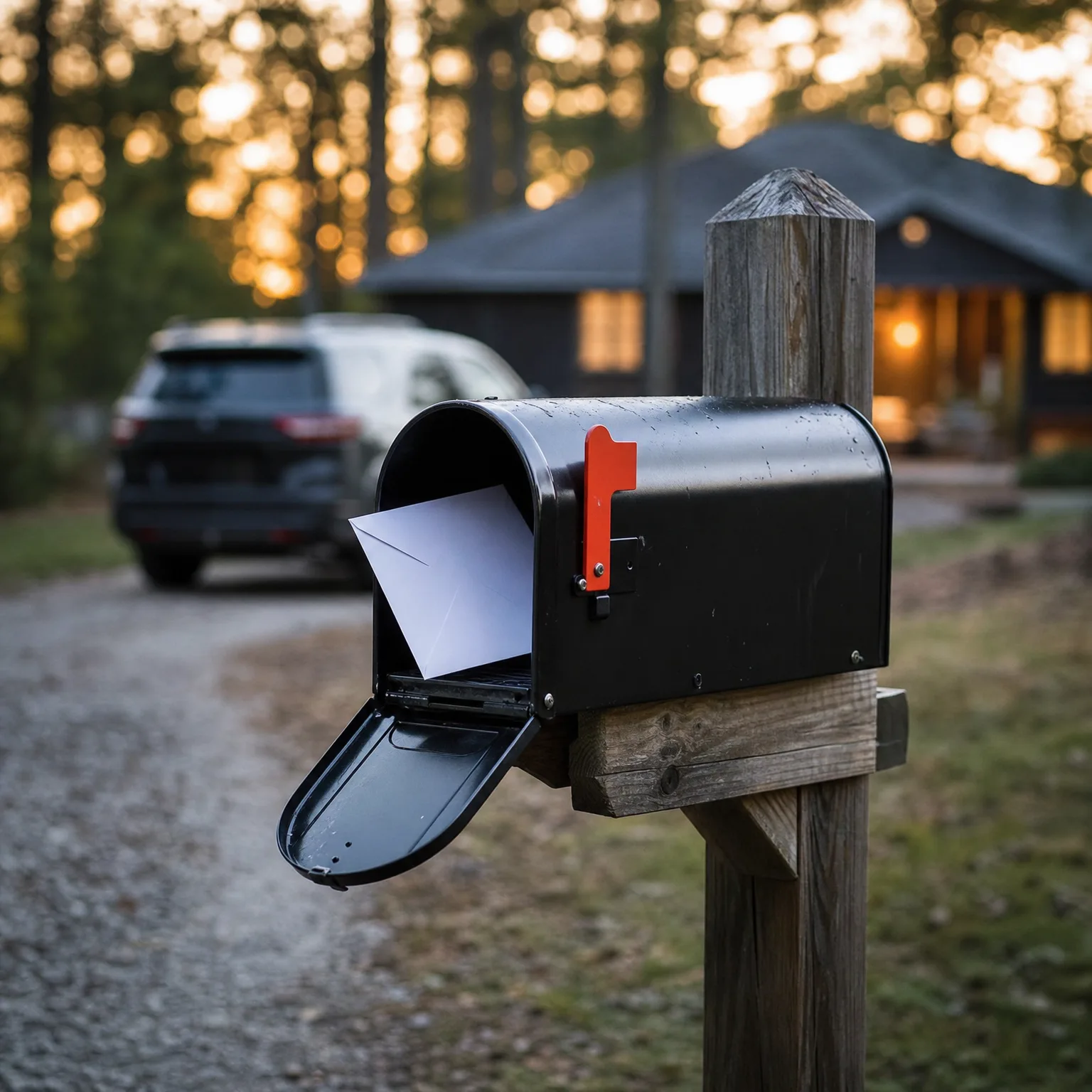
How Adding or Removing a Vehicle Changes Your Policy
Most carriers give you a grace period to report a newly purchased vehicle: typically 14 to 30 days. During that window, the new vehicle is covered under your existing policy's liability limits. After the grace period ends, an unreported vehicle has no coverage. If you're in an accident driving an unreported car, the carrier can deny the claim even if you've been paying premiums on your other vehicles for years.
When you remove a vehicle from a multi-car policy, the carrier re-rates the remaining vehicles. You lose the multi-car discount if dropping the vehicle takes you below the carrier's minimum vehicle count for that discount, usually two. The premium does not simply drop by the removed vehicle's portion. The entire policy re-prices based on the new household structure. Some carriers recalculate at the next renewal; others adjust mid-term and issue a prorated refund or additional charge.
Washington does not require you to notify the Department of Licensing when you add a vehicle to an existing policy, but you must update your registration within 30 days of acquiring the vehicle. The registration process triggers the insurance verification. If the state's database shows no active coverage for the new VIN at registration time, the transaction fails and you cannot complete the registration until you provide proof.
19 carriers
Carriers Writing Multi-Car Policies in Washington
State Farm, GEICO, Progressive, Allstate, Farmers, USAA, Nationwide, Liberty Mutual, Travelers, American Family, and nine others write multi-vehicle policies in Washington. Not all offer the same multi-car discount structure. Some carriers cap the discount at three vehicles; others scale it up to five or more.
Washington State Office of the Insurance Commissioner
When Full Coverage Makes Sense for Multi-Car Households
State minimums cover liability only. They pay for damage you cause to others, not damage to your own vehicles. Full coverage adds collision and comprehensive: collision pays to repair your car after an accident regardless of fault, and comprehensive covers theft, vandalism, weather damage, and animal strikes. When you own multiple vehicles, the decision to carry full coverage is per-vehicle, not per-policy.
The conventional threshold: carry full coverage on any vehicle worth more than ten times the annual collision and comprehensive premium. At that ratio, most households self-insure by dropping collision and comprehensive and banking the premium savings. The carrier prices each vehicle separately even though they sit on the same policy.
Compare Carriers That Write Multi-Car Policies in Washington
Nineteen carriers write multi-vehicle policies in Washington, and their pricing structures vary widely. State Farm, GEICO, Progressive, Allstate, and Farmers all offer multi-car discounts, but the discount percentage, the vehicle-count threshold, and the base rate differ by carrier. A smaller discount on a lower base rate often beats a larger discount on a higher one. The only way to know which carrier prices your household most favorably is to compare quotes with identical coverage limits across all your vehicles.
When you request quotes, provide the same liability limits, deductibles, and coverage selections to every carrier. Use the site's comparison tool to request quotes from carriers writing your county. Enter every vehicle you own, every driver in your household, and the garaging address for each car. The tool routes your request to carriers that write multi-car policies in Washington and returns quotes you can compare side by side.
What Counts as Proof of Insurance in Washington
The Department of Licensing accepts an insurance card, a digital proof-of-insurance document on your phone, or a letter from your carrier showing the vehicle identification number, policy number, effective dates, and liability limits. When you insure multiple vehicles on one policy, each vehicle gets its own proof document listing that specific VIN. You cannot show proof for Vehicle A when you're driving Vehicle B, even if both sit on the same policy.
If you're stopped and cannot produce proof, the officer can verify coverage electronically through the state's insurance database. Carriers report active policies to the Department of Licensing in real time. Adding a vehicle to your policy mid-term updates the database within 24 hours, but you must carry proof in the vehicle before you drive it.
Get Your Free Quote
Get My Washington Car Insurance QuoteFrequently Asked Questions
Does Washington require the same insurance on every vehicle I own?
Washington requires every vehicle to carry at least $25,000/$50,000/$10,000 liability coverage. You can carry higher limits or add collision and comprehensive on some vehicles and not others. The state does not mandate identical coverage across all your cars, but most carriers require the same liability limits on every vehicle when they sit on one policy.
Can I insure two cars on separate policies in Washington?
Yes. Washington does not require you to combine vehicles on one policy. Separate policies satisfy state requirements as long as each vehicle carries the minimum liability limits. Most carriers price multi-car households more favorably when every vehicle sits on the same policy, but you can split them if a carrier will not write all your vehicles or if you prefer separate policies for other reasons.
How long do I have to add a new vehicle to my Washington policy?
Most carriers give you 14 to 30 days to report a newly purchased vehicle. During that grace period, the new vehicle is covered under your existing policy's liability limits. After the grace period ends, an unreported vehicle has no coverage. Check your policy documents or call your carrier to confirm the exact window.
What happens if I get pulled over in Washington without proof of insurance?
If you cannot produce proof of insurance, the officer can verify coverage electronically through the state's insurance database. Carriers report active policies to the Department of Licensing in real time, so adding a vehicle to your policy updates the database within 24 hours.
Does Washington require uninsured motorist coverage on multi-car policies?
No. Washington does not mandate uninsured motorist coverage, but 19.1% of drivers in the state are uninsured. Most carriers include UM coverage automatically on multi-car policies unless you decline it in writing. UM coverage pays for injuries and damage when an uninsured driver hits one of your vehicles.
Do I lose my multi-car discount if I remove a vehicle in Washington?
It depends on the carrier and how many vehicles remain on the policy. Most carriers require at least two vehicles to qualify for a multi-car discount. If removing a vehicle takes you below that threshold, you lose the discount. The carrier re-rates the remaining vehicles, and the premium does not simply drop by the removed vehicle's portion.