Minimum vs Full Coverage — Washington
Free to compare
The Multi-Car Coverage Decision
You just added a second or third vehicle to your Washington policy and now you're deciding whether to carry minimum liability on every car or add collision and comprehensive to some or all of them. The premium difference feels significant when you multiply it across multiple vehicles, but the coverage gap is even larger when you consider the household's total vehicle equity at risk.
Washington requires $25,000 bodily injury per person, $50,000 per accident, and $10,000 property damage. That's minimum liability — it covers damage you cause to others, not damage to your own vehicles. Full coverage adds collision (damage to your car in a crash, regardless of fault) and comprehensive (theft, vandalism, weather, animal strikes). The question for a multi-car household is whether the combined premium increase justifies protecting the combined value of every vehicle you own.
“Minimum liability on a multi-car policy leaves every vehicle unprotected — the combined equity at risk is the sum of every car you own.”
Check Your Rate Against Other Washington Drivers
Get My Washington Car Insurance Quote$25,000 / $50,000 / $10,000
Washington Minimum Liability
Bodily injury per person, bodily injury per accident, and property damage per accident. These limits cover damage you cause to others; they do not cover damage to your own vehicles.
Washington State Department of Licensing
What Minimum Coverage Actually Covers Across Multiple Vehicles
Minimum liability covers damage you cause to other people and their property, up to the state-mandated limits. If you cause an accident, your liability coverage pays the other driver's medical bills and vehicle repairs, up to $25,000 per person injured, $50,000 total per accident, and $10,000 for property damage. It does not pay to repair or replace any of your own vehicles.
When you insure two or more cars on one policy with minimum liability only, every vehicle in your household is unprotected from collision and comprehensive losses. A crash that totals one of your cars leaves you with no insurance payout for that vehicle, regardless of fault. Theft, hail damage, or a deer strike on any vehicle in your garage produces the same result: you pay the full replacement cost out of pocket.
The structural reality: minimum liability protects other people from your driving, but it leaves your household's entire vehicle equity uninsured.
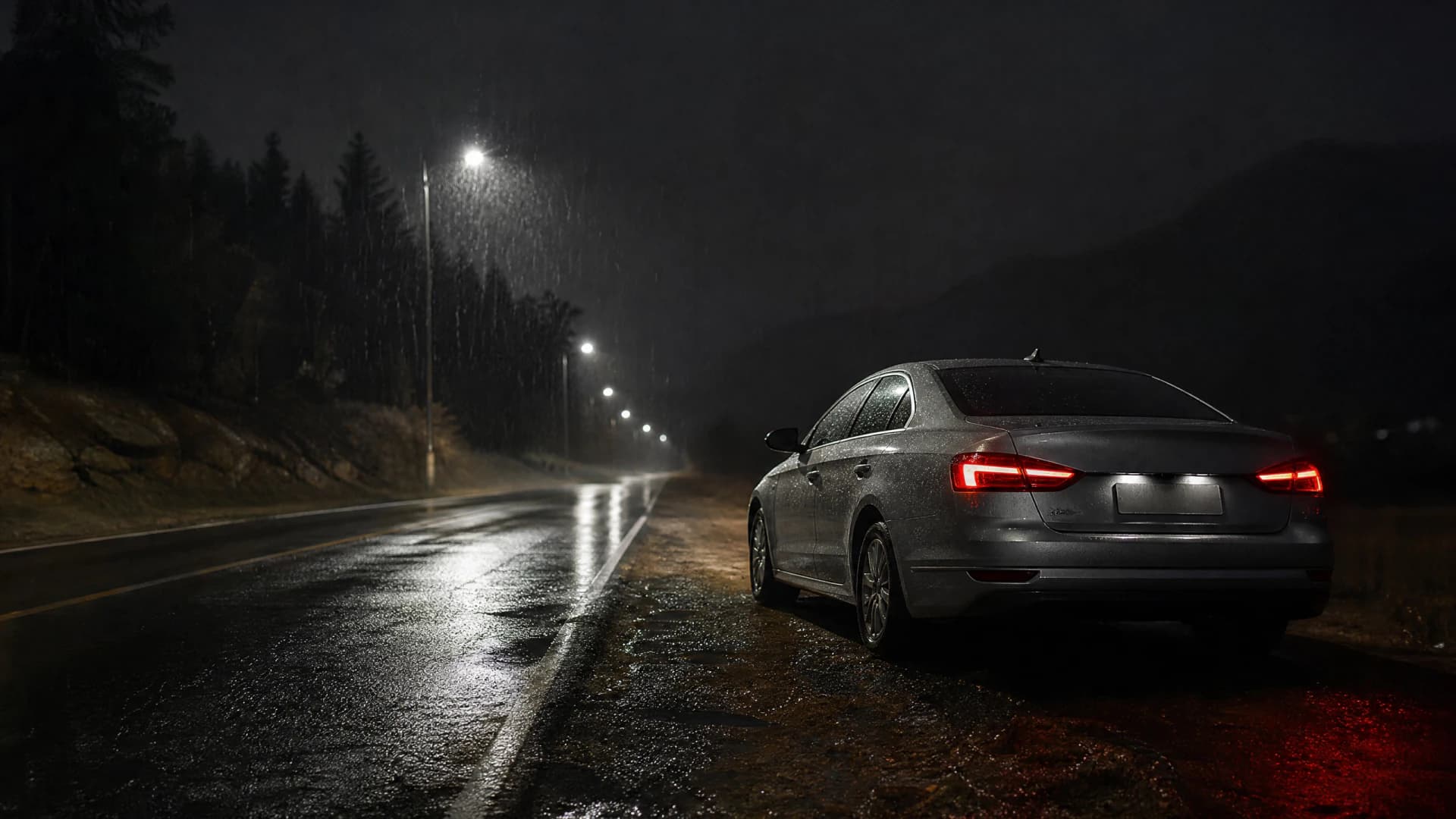
Minimum liability on a multi-car policy leaves every vehicle in your household unprotected from collision, theft, and comprehensive losses — the combined equity at risk is the sum of every car you own.
Related Articles
Washington Car Insurance Requirements
7/15/2026
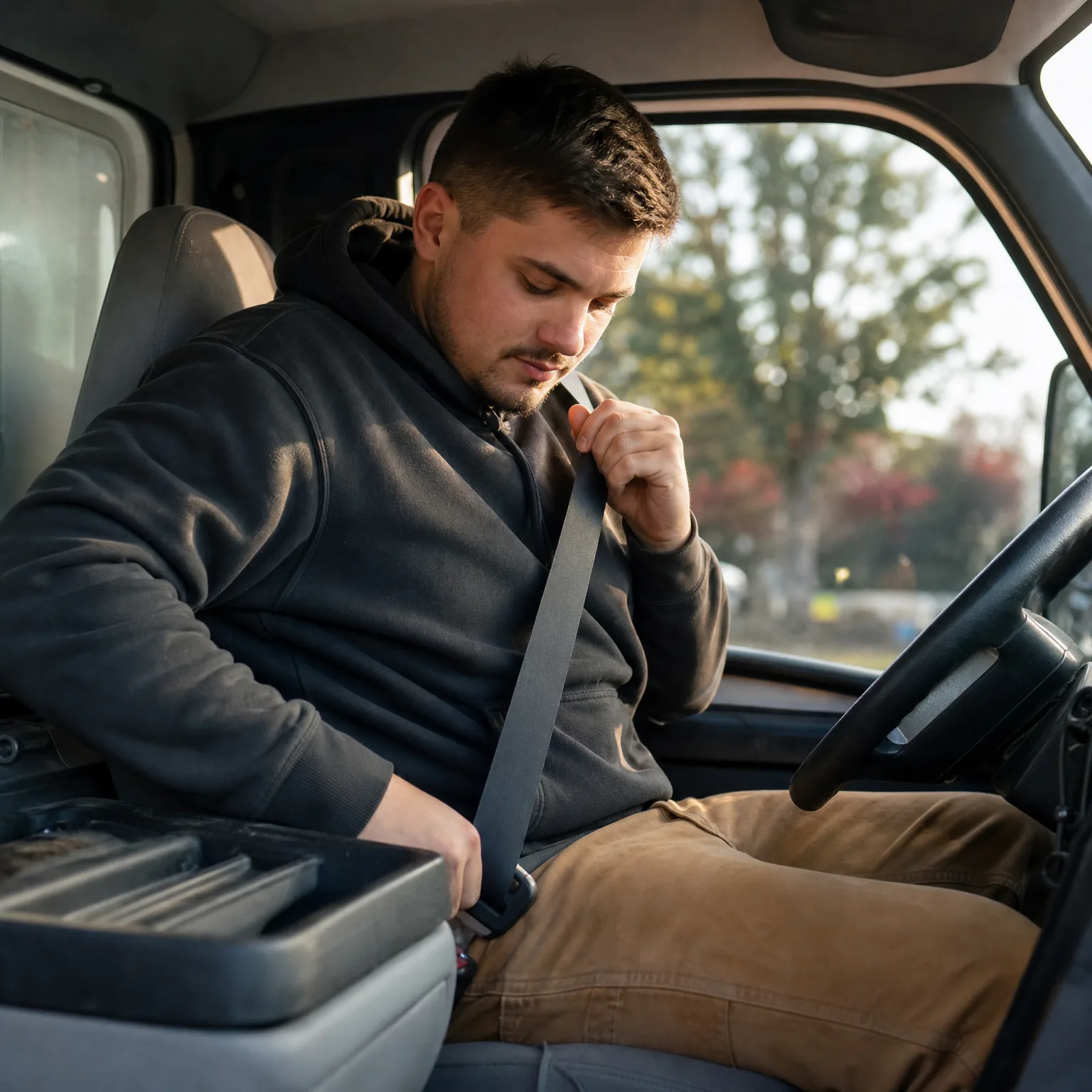
Multi-Car Insurance Coverage — Washington
7/15/2026
Washington Car Insurance Law Coverage
7/15/2026
Liability Coverage Limits in Washington
7/15/2026
Washington Minimum Liability Coverage Limits
7/15/2026
Washington Car Insurance Laws for Multi-Car Households
7/15/2026

How the Premium Difference Scales Across Multiple Vehicles
Adding collision and comprehensive to one vehicle raises your premium by the cost of those two coverages for that car. Adding them to two or three vehicles multiplies that cost across every car on the policy. The total premium increase depends on each vehicle's value, age, and the deductible you choose — a $500 or $1,000 deductible lowers the premium but raises your out-of-pocket cost at claim time.
The decision framework: compare the combined premium increase to the combined value of every vehicle you're leaving uninsured. If one or more vehicles are worth less than ten times the annual collision and comprehensive premium for that car, minimum liability on that specific vehicle may make sense while you keep full coverage on higher-value cars.
Washington allows you to structure coverage differently on each vehicle. You can carry full coverage on your newer car and minimum liability on an older one, as long as every vehicle meets the state's minimum liability requirement. Most carriers writing multi-car policies in Washington — including Geico, Progressive, State Farm, Allstate, and Farmers — allow per-vehicle coverage selection, and the multi-car discount applies to the entire policy regardless of how you structure collision and comprehensive.
19.1%
Washington Uninsured Motorist Rate
Nearly one in five Washington drivers carries no insurance. If an uninsured driver hits one of your vehicles, your collision coverage pays for your car's damage; without it, you pursue the at-fault driver directly, often unsuccessfully.
Insurance Research Council, 2023

When Full Coverage Makes Sense for Multi-Car Households
Full coverage makes sense when the combined value of your vehicles is large enough that losing one to a total-loss crash or theft would strain your household budget. If you own two or three cars and rely on all of them for work, school, or family logistics, replacing one out of pocket disrupts more than your finances — it disrupts your household's transportation capacity. Full coverage on every vehicle ensures that a crash or theft produces an insurance check, not an emergency loan or a scramble to find a replacement car.
Full coverage also makes sense when you finance or lease any vehicle on the policy. Lenders require collision and comprehensive until the loan is paid off, and most lease agreements carry the same requirement. If you finance one car and own another outright, you'll carry full coverage on the financed vehicle by contract; adding it to the owned vehicle protects your household's total equity and often costs less per car than insuring them separately.
Compare Carriers That Write Multi-Car Policies in Washington
Washington's carrier roster includes 19 companies writing multi-car policies with varying approaches to collision and comprehensive pricing. Geico, Progressive, State Farm, Allstate, and Farmers all write multi-vehicle policies and allow per-vehicle coverage selection. USAA writes multi-car policies for military-affiliated households and consistently prices full coverage competitively when you insure two or more vehicles. Dairyland, Bristol West, The General, and National General write non-standard multi-car policies and offer full coverage to households with prior violations or lapses.
The multi-car discount applies to the entire policy, not to individual coverages, so adding collision and comprehensive to every vehicle does not reduce the discount. Most carriers calculate the discount as a percentage off the combined liability premium, and the collision and comprehensive premiums are added on top. Compare quotes with minimum liability on every vehicle, then compare quotes with full coverage on every vehicle, and evaluate the premium difference against your household's combined vehicle equity. The comparison tool on this site connects you to carriers writing multi-car policies in Washington and shows you both minimum and full coverage quotes side by side.
What Full Coverage Adds to a Multi-Car Policy
Collision coverage pays to repair or replace your vehicle after a crash, regardless of who caused it. If you rear-end another car, your collision coverage pays for your own vehicle's damage; the other driver's damage is covered by your liability. If another driver hits you and has no insurance or insufficient coverage, your collision coverage pays for your car immediately, and your carrier pursues the at-fault driver for reimbursement. When you add collision to every vehicle on a multi-car policy, every car in your household is protected from crash damage, not just the one you were driving.
Comprehensive coverage pays for non-collision losses: theft, vandalism, fire, flood, hail, falling objects, and animal strikes. Washington's vehicle theft rate is 437.8 per 100,000 population, and comprehensive claims are common in areas with deer, severe weather, and urban property crime. When you add comprehensive to every vehicle on your policy, every car in your garage is protected from these risks, whether it's parked at home, at work, or on the street.
Get Your Free Quote
Get My Washington Car Insurance QuoteFrequently Asked Questions
Can I carry full coverage on one vehicle and minimum liability on another in Washington?
Yes. Washington allows you to structure coverage differently on each vehicle as long as every car meets the $25,000/$50,000/$10,000 minimum liability requirement. Most carriers writing multi-car policies let you add collision and comprehensive to some vehicles and not others.
Does the multi-car discount apply if I only carry minimum liability?
Yes. The multi-car discount applies to the entire policy regardless of whether you carry minimum liability or full coverage. The discount is calculated as a percentage off the combined liability premium, and collision and comprehensive premiums are added on top.
What happens if an uninsured driver hits one of my cars and I only have minimum liability?
You pursue the at-fault driver directly for your vehicle's damage, often unsuccessfully. Collision coverage pays for your car immediately and your carrier pursues the at-fault driver for reimbursement. Washington's uninsured motorist rate is 19.1 percent.
How do I decide whether to add collision and comprehensive to every vehicle?
Compare the combined premium increase to the combined value of every vehicle you're leaving uninsured. If the annual collision and comprehensive cost is a small fraction of your household's total vehicle equity, full coverage protects a larger asset than the premium.
Do I need full coverage on a financed car if I already have it on another vehicle?
Yes. Lenders require collision and comprehensive on financed vehicles until the loan is paid off, regardless of what coverage you carry on other cars. The requirement is contractual, not a Washington state mandate.