You Were Stopped Again Without Insurance
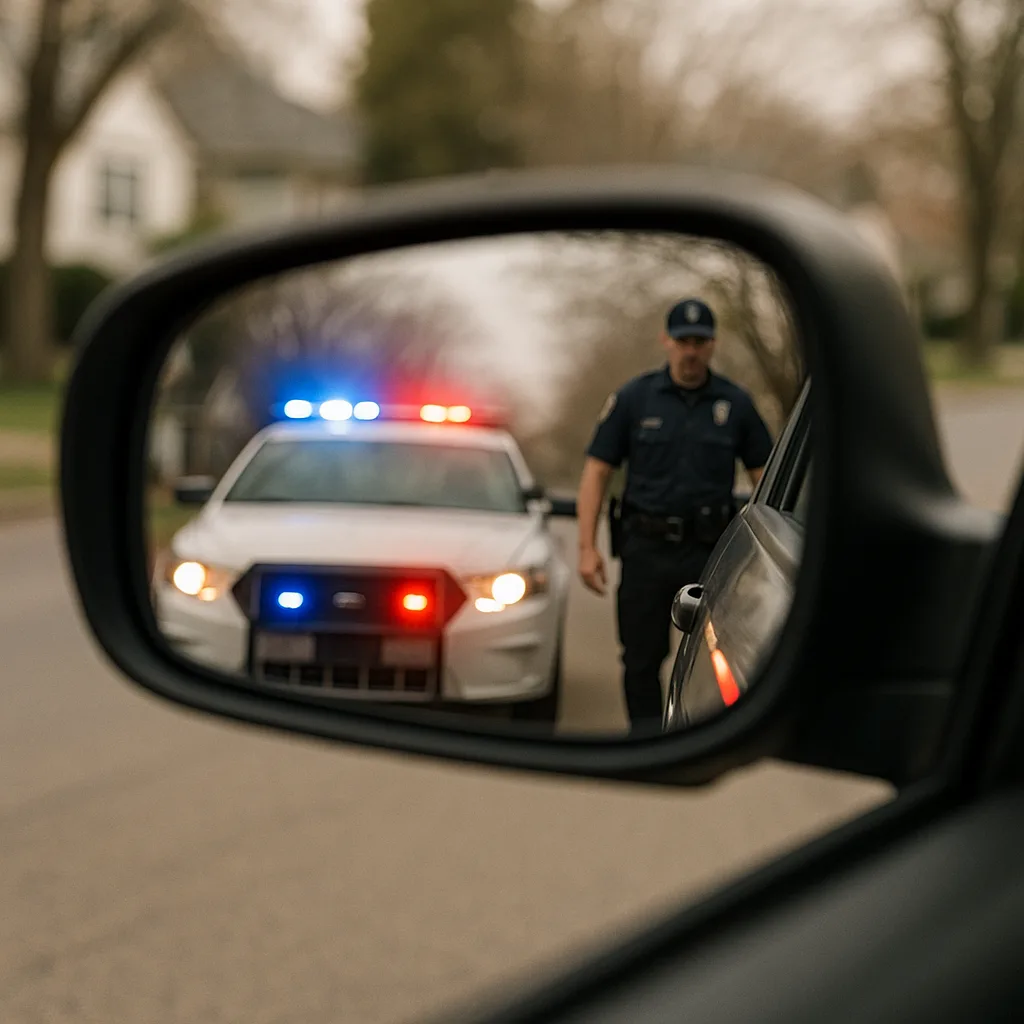
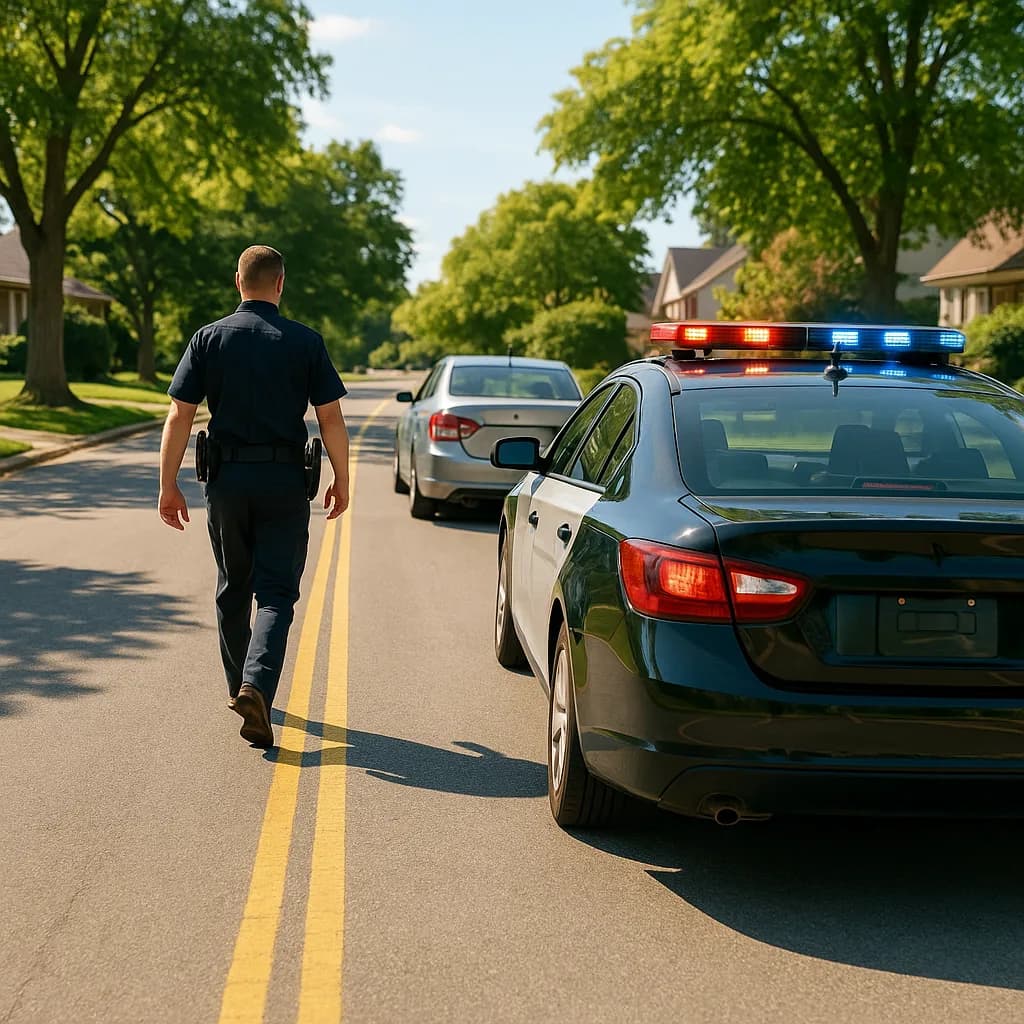
You were pulled over in Washington without proof of insurance, and this is your second offense. The officer wrote a citation, and now you're trying to figure out what happens to your license, how long you'll be suspended, and what you need to do to drive again. The state treats repeat uninsured-driving offenses more seriously than a first violation, but the exact penalty depends on which statute you're charged under.
Washington operates a multi-tier suspension system for driving without insurance. The Department of Licensing can suspend your license under RCW 46.30.020 for failing to maintain the state's required liability coverage, or under RCW 46.20.289 for driving while uninsured. A second offense under either statute extends the suspension period and raises the procedural bar for reinstatement. The path forward depends on which tier your violation falls into and whether you can prove you now carry coverage that meets Washington's minimums: $25,000 bodily injury per person, $50,000 bodily injury per accident, and $10,000 property damage.
Compare car insurance rates in your state
Get quotes from licensed carriers — no obligation, no spam, results in minutes.
Get Your Free QuoteWashington Uninsured Motorist Rate
19.1%
Nearly one in five drivers on Washington roads lacks the state's required liability coverage, making uninsured-motorist enforcement a priority for the DOL and increasing the likelihood of repeat offenses.
Insurance Research Council, 2023
Washington's Multi-Tier Suspension Structure
Washington distinguishes between two uninsured-driving violations, and the distinction determines your suspension length and reinstatement requirements. RCW 46.30.020 penalizes drivers who fail to maintain continuous liability coverage after registering a vehicle. RCW 46.20.289 penalizes drivers caught operating a vehicle without proof of insurance at the time of the stop. Both statutes can result in suspension, but the DOL applies different timelines and reinstatement procedures depending on which one you're charged under.
A second offense under RCW 46.30.020 typically results in a suspension that lasts until you file proof of financial responsibility and pay the reinstatement fee. A second offense under RCW 46.20.289 carries a fixed suspension period set by the court or the DOL, and reinstatement requires proof of coverage, payment of the fee, and satisfaction of any court-ordered conditions. The state does not publish a single uniform suspension length for second offenses because the duration varies by the specific charge, your driving record, and whether the court imposes additional penalties.
The suspension tier you fall into determines whether you can apply for an Occupational/Restricted Driver License while suspended, and most second-offense drivers do not realize the ORL is available for this violation.
What You Must Do to Reinstate Your License
First, obtain a liability insurance policy that meets Washington's minimum limits and ask your carrier to file proof of financial responsibility with the DOL. Washington does not require SR-22 filing for a standard uninsured-driving violation unless the court or the DOL specifically orders it as a condition of reinstatement. If SR-22 is required, your carrier will file the certificate electronically with the state, and you must maintain continuous coverage for the full filing period or the DOL will suspend your license again.
This fee applies to most suspension types in Washington and must be paid before the DOL will process your reinstatement application. Third, satisfy any court-ordered conditions tied to your citation, such as paying fines, completing a driver improvement course, or attending a hearing. The DOL will not reinstate your license until all three requirements are met, and the state does not send a reminder when you become eligible.
Related Articles


Occupational License Eligibility During Suspension
Washington offers two restricted-license options for drivers under suspension: the Occupational/Restricted Driver License and the Ignition Interlock Driver License. The ORL allows you to drive for approved purposes—work, school, court-ordered community service, substance-abuse treatment or meetings, healthcare, and dependent care—during your suspension. The IIL is specific to DUI offenses and requires proof of ignition interlock installation. For a second uninsured-driving offense, the ORL is the relevant option.
You can apply for an ORL online via License Express or at a driver licensing office. The application requires proof of financial responsibility, typically in the form of an SR-22 certificate filed by your carrier, and a $100 fee. Processing takes approximately 10 business days. The ORL restricts your driving to approved purposes, limits you to 12 hours of driving in any 24-hour period, and may restrict the times of day and days of the week you can drive. Violating the ORL's restrictions results in immediate revocation and extends your suspension.
Not every second-offense driver qualifies for an ORL. If you have unpaid fines, outstanding judgments, or other suspensions on your record, the DOL may deny your application until those issues are resolved. The ORL is a privilege, not a right, and the state evaluates each application individually.
Washington License Reinstatement Fee
Washington State Department of Licensing
How Multiple Vehicles Complicate Reinstatement
If your household insures two or more vehicles, reinstatement becomes more complicated. Washington requires proof of financial responsibility for every vehicle registered in your name, and the DOL will not reinstate your license if any vehicle on your registration lacks coverage. When you apply for reinstatement, the state cross-checks your vehicle registrations against active insurance policies. A vehicle titled to you but insured under someone else's policy—such as a spouse's separate policy or a parent's policy—does not satisfy the requirement unless that policy explicitly lists you as a covered driver and the vehicle is listed on the same policy.
The cleanest path forward is to consolidate every vehicle you own onto a single policy in your name and ask the carrier to file proof of coverage with the DOL. If you co-own a vehicle with a household member, both owners must appear on the policy or the DOL may flag the registration as uninsured. Carriers writing multi-vehicle policies in Washington include State Farm, Geico, Progressive, Farmers, Allstate, and USAA. Not every carrier will write a policy for a driver with a recent uninsured-driving suspension, so expect to compare quotes from multiple carriers before finding one that will cover you at a rate you can afford.
Compare Carriers That Write Post-Suspension Policies
A second uninsured-driving offense makes you a higher-risk applicant in the eyes of most carriers, and some will decline to write a policy until your license is fully reinstated. Carriers that specialize in non-standard auto insurance—such as Bristol West, Dairyland, The General, and National General—are more likely to approve coverage for drivers with recent suspensions. Standard carriers like State Farm, Geico, and Progressive may also write a policy, but expect higher premiums and fewer discount options until your driving record improves.
When comparing carriers, confirm that the policy meets Washington's minimum liability limits and that the carrier can file proof of financial responsibility electronically with the DOL. Ask whether the carrier requires SR-22 filing for your situation, and if so, confirm the filing fee and the length of the filing period. Use the site's comparison tool to request quotes from multiple carriers at once, filtering for those that write policies in Washington for drivers with suspensions. The right policy is the one that satisfies the DOL's reinstatement requirements, fits your household's vehicle count, and costs less than continuing to drive uninsured and risking a third offense.