
Bodily Injury Liability Coverage — Washington
Free to compare
Washington Requires Bodily Injury Liability Coverage
Washington requires bodily injury liability coverage on every registered vehicle. The state minimum is $25,000 per person and $50,000 per accident, enforced at registration and during traffic stops. You cannot register a car, renew plates, or legally drive without proof of this coverage.
The confusion arises when households insure multiple vehicles. The state minimum applies per policy, not per vehicle, but an at-fault crash involving one of your cars can exhaust those limits quickly when multiple people are injured. Understanding what the state requires versus what protects your household across several vehicles is the structural decision this article addresses.
“The state minimum applies to the policy, not to each vehicle—one at-fault crash can exhaust the limit across all claimants.”

Check Your Rate Against Other Washington Drivers
Get My Washington Car Insurance Quote$25,000 / $50,000
Washington Bodily Injury Minimum
The state mandates $25,000 per person and $50,000 per accident in bodily injury liability. Every registered vehicle must carry proof of these minimums to remain legal.
Washington State Department of Licensing
What Bodily Injury Liability Actually Covers
Bodily injury liability pays medical bills, lost wages, and pain-and-suffering claims for people you injure in an at-fault crash. It does not cover your own injuries, your passengers, or damage to your own vehicles. The coverage applies when you are legally responsible for the accident.
Washington enforces the $25,000 per person and $50,000 per accident minimums through its financial responsibility law. If you injure one person, the policy pays up to $25,000 for that person's claims. If you injure multiple people in the same crash, the policy pays up to $50,000 total, divided among all claimants. Once the policy limit is exhausted, you are personally liable for any remaining damages.
The state does not require personal injury protection or uninsured motorist coverage, though carriers must offer uninsured motorist coverage and you may decline it in writing. Bodily injury liability is the mandatory coverage that keeps your registration valid and your driving privilege intact.

The state minimum applies to the policy, not to each vehicle. One at-fault crash involving any of your cars can exhaust the $50,000 limit across all claimants.
Related Articles

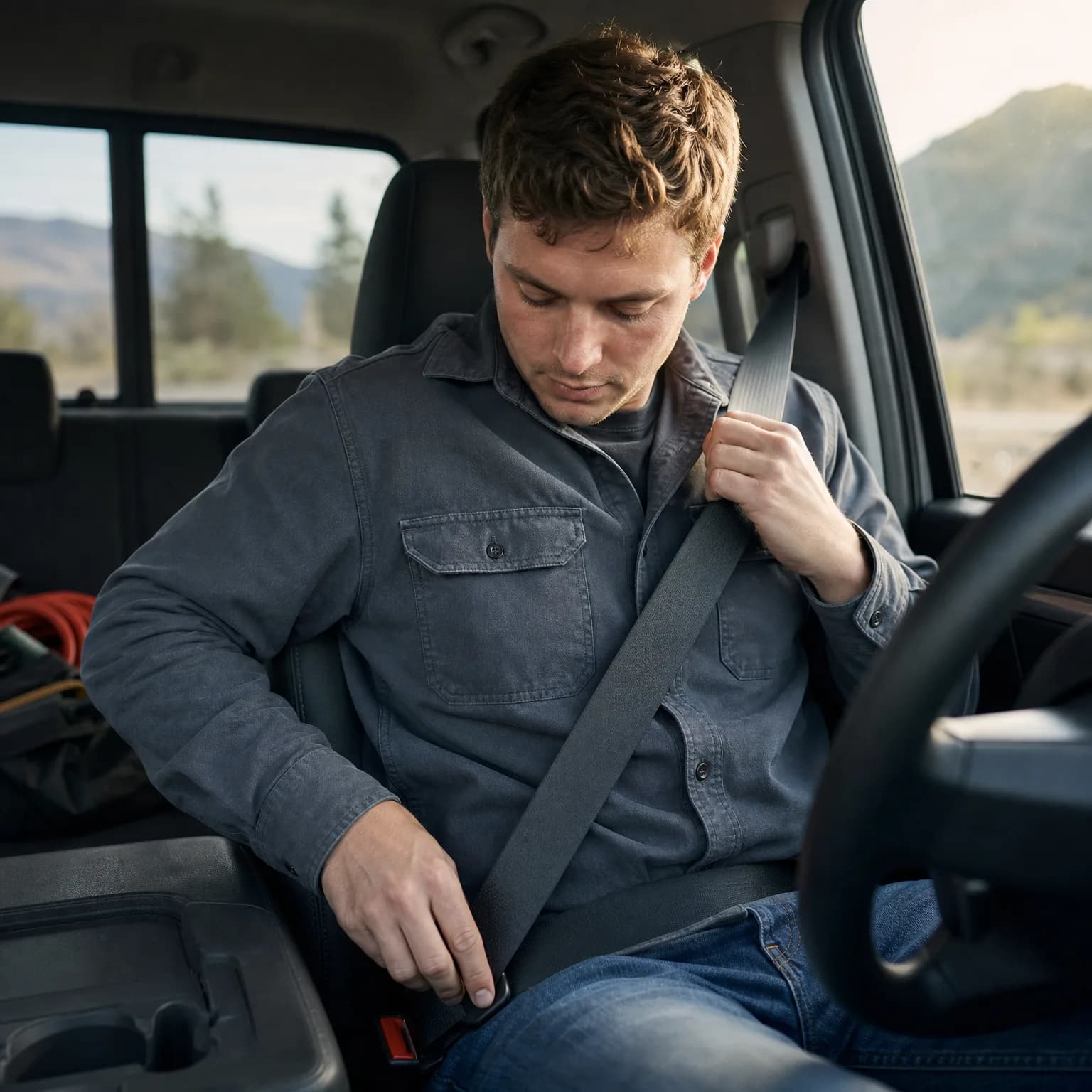





Why Multi-Vehicle Households Often Need Higher Limits
The state minimum protects you legally but not financially when you own multiple vehicles. An at-fault crash involving one of your cars can generate claims that exceed $50,000 quickly. Medical bills for serious injuries, emergency transport, surgery, and rehabilitation often surpass the per-person limit for a single claimant. When multiple people are injured, the $50,000 per-accident cap divides among all claimants, leaving each with a fraction of their actual damages.
Households with two or more vehicles face higher exposure because more cars mean more opportunities for an at-fault crash. If you cause an accident while driving one of your household's vehicles and the claims exceed your policy limit, claimants can pursue your personal assets: savings, home equity, and future wages. The state minimum satisfies the legal requirement but does not shield your household's assets from a judgment.
Comparing limits across carriers that write your household's vehicles shows the actual premium difference.
19.1%
Washington Uninsured Motorist Rate
Nearly one in five Washington drivers carries no insurance. Uninsured motorist coverage protects you when an at-fault driver cannot pay your claims, but the state does not mandate it.
Insurance Research Council, 2023
How Adding Vehicles Changes Your Liability Exposure
Adding a second or third vehicle to your policy does not increase your bodily injury liability limit unless you request it. The $25,000/$50,000 minimum applies to the policy as a whole, covering all listed vehicles. If you add a car mid-term, the carrier re-rates the policy to reflect the additional vehicle, but the liability limit remains the same unless you adjust it.
This creates a structural gap for multi-vehicle households. More cars mean more drivers, more trips, and more at-fault crash exposure, but the liability coverage does not scale automatically. A household with three vehicles and the state minimum carries the same $50,000 per-accident limit as a household with one vehicle. Reviewing your liability limits when you add a vehicle ensures the coverage matches your household's actual exposure.
Compare Carriers and Adjust Limits Before You Add a Vehicle
The best time to adjust bodily injury liability limits is before you add a vehicle to your policy. Carriers re-rate the entire policy when you add a car, and requesting higher limits at the same time consolidates the premium change into one adjustment. Waiting until after the vehicle is added means a second re-rating and a second premium increase.
Seventeen carriers write auto insurance in Washington, including Allstate, American Family, Farmers, Geico, Progressive, State Farm, and USAA. Not all carriers offer the same liability limit options or price them the same way. Comparing quotes for the liability limits you need across carriers that write multi-vehicle policies shows the actual cost difference. The state minimum satisfies the legal requirement, but higher limits protect your household's assets when an at-fault crash exceeds $50,000.
How Washington Verifies Coverage at Registration
Washington uses an electronic insurance verification system that connects the DOL database to carrier databases. When you register a vehicle or renew plates, the system confirms that an active policy covers the vehicle identification number you are registering. If the system cannot verify coverage, the transaction stops until you provide proof. Acceptable proof includes an insurance card showing the policy number, effective dates, and the minimum liability limits, or an SR-22 certificate if you are required to file one.
Traffic stops also trigger verification. Officers can check your coverage status in real time through the same system. Driving without proof of insurance carries a fine and potential license suspension. The state does not accept expired cards, lapsed policies, or coverage that falls below the $25,000/$50,000 minimums. If you add a vehicle to your household mid-term, most carriers extend coverage automatically for a limited grace period, but you must notify the carrier within that window to keep the new vehicle covered and compliant.
Get Your Free Quote
Get My Washington Car Insurance QuoteFrequently Asked Questions
Does Washington require bodily injury liability coverage?
Yes. Washington requires $25,000 per person and $50,000 per accident in bodily injury liability on every registered vehicle. You cannot register a car, renew plates, or legally drive without proof of this coverage.
What happens if I drive without bodily injury liability in Washington?
Driving without proof of insurance carries a fine and potential license suspension. The Department of Licensing verifies coverage electronically at registration and during traffic stops. If the system cannot confirm active coverage, your registration is denied or your license is suspended until you provide proof.
Do I need higher bodily injury limits if I own multiple vehicles?
The state minimum applies to the policy, not to each vehicle. An at-fault crash involving one of your cars can generate claims that exceed $50,000 quickly, leaving you personally liable for the difference. Higher limits protect your household's assets when claims exceed the policy cap.
How do I prove bodily injury liability coverage in Washington?
Washington uses an electronic insurance verification system that connects the DOL database to carrier databases. Acceptable proof includes an insurance card showing the policy number, effective dates, and minimum liability limits, or an SR-22 certificate if required.
Can I decline bodily injury liability coverage in Washington?
No. Bodily injury liability is mandatory. Carriers must offer uninsured motorist coverage and you may decline it in writing, but you cannot decline bodily injury liability and remain legally registered.
What bodily injury liability limits do carriers offer in Washington?
The cost difference between state minimum and higher limits is often smaller than drivers expect, particularly on multi-vehicle policies.