
High-Risk Multi-Car Insurance — Washington
Free to compare
When One Driver's Record Re-Rates Every Vehicle
You insure two or more cars on one Washington policy, and one driver on that policy has a DUI, multiple tickets, or a recent at-fault accident. The carrier re-rated the entire policy, and the premium jumped more than you expected. You need to know whether splitting the vehicles across separate policies would lower the combined cost, or whether keeping them together still makes sense despite the surcharge.
Washington carriers apply high-risk surcharges at the policy level, not the vehicle level. When one driver on a multi-car policy triggers a surcharge, every vehicle on that policy absorbs the rate increase, even if the other drivers have clean records. The multi-car discount still applies, but it now competes against a surcharge structure that penalizes consolidation. The decision hinges on whether the discount percentage beats the surcharge spread across multiple cars.
“The surcharge hits every vehicle on the policy, even those driven exclusively by clean-record household members.”

Check Your Rate Against Other Washington Drivers
Get My Washington Car Insurance Quote$25,000 / $50,000 / $10,000
Washington Minimum Liability
Washington requires $25,000 bodily injury per person, $50,000 per accident, and $10,000 property damage. High-risk drivers must meet these minimums to reinstate or maintain coverage, and carriers price the surcharge on top of the base rate for these limits.
Washington State Department of Licensing
How the Multi-Car Discount Works Under a Surcharge
The multi-car discount reduces the per-vehicle premium when you insure two or more cars on the same policy. Washington carriers typically require every vehicle to sit on one policy and share a garaging address to qualify. The discount percentage varies by carrier, but the mechanism is consistent: the second vehicle costs less than the first, and the third costs less than the second.
When a high-risk driver joins the policy, the carrier applies a surcharge to the base rate before calculating the multi-car discount. The discount still applies, but it now reduces a higher starting number. The net result depends on whether the discount's absolute dollar value exceeds the cost of splitting the high-risk driver onto a separate policy.
Washington carriers structure surcharges differently. Some apply a flat percentage increase to the entire policy premium. Others add a dollar amount per vehicle. A few tier the surcharge by violation severity, with DUI surcharges higher than speeding-ticket surcharges. The carrier roster in Washington includes both standard and non-standard insurers, and non-standard carriers often price high-risk drivers lower than standard carriers applying a surcharge.
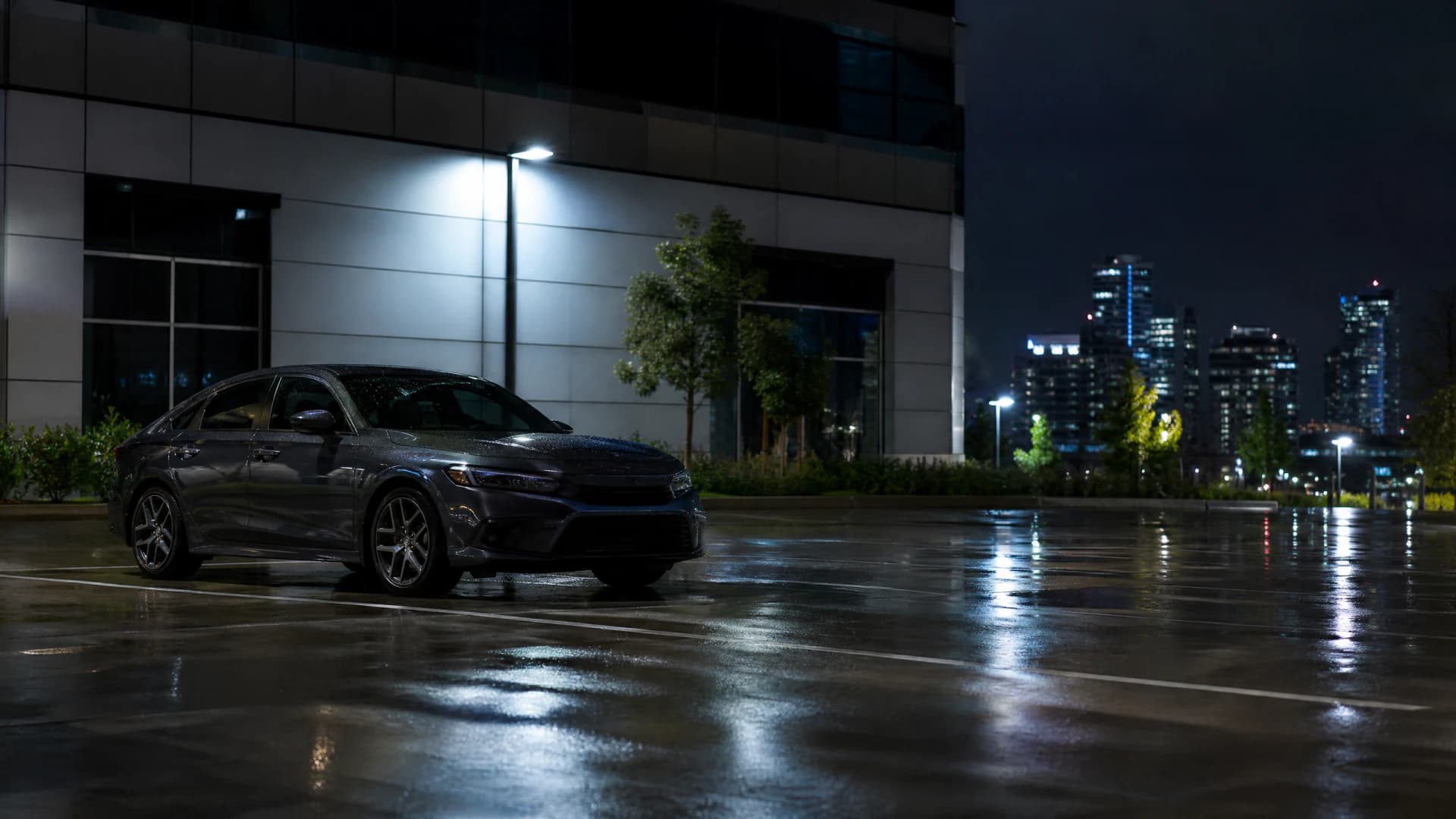
The surcharge hits every vehicle on the policy, even those driven exclusively by clean-record household members. Splitting the high-risk driver onto a separate policy isolates the surcharge to one vehicle.
Related Articles




State-Specific Constraints on Policy Structure
Washington does not mandate that household members share one policy, but carriers require disclosure of all household drivers and vehicles during underwriting. If you split the high-risk driver onto a separate policy, both policies must list all household members as either rated drivers or excluded drivers. Excluding a driver from one policy means that driver cannot operate any vehicle on that policy, even in an emergency. If the high-risk driver needs access to all household vehicles, exclusion is not an option, and both policies must rate that driver.
Some carriers allow a driver to be rated on one policy and listed as an occasional operator on another, with the primary rating on the policy covering the vehicle that driver uses most often. This structure works when the high-risk driver operates one specific vehicle and rarely drives the others. Confirm with each carrier whether they permit this arrangement and how they price the occasional-operator designation.
Washington requires proof of financial responsibility for all registered vehicles. If you split vehicles across two policies, each policy must meet the state minimum liability limits independently. The combined coverage across both policies does not satisfy the requirement; each policy stands alone. Verify that both policies carry at least $25,000 per person, $50,000 per accident, and $10,000 property damage before finalizing the split.
19.1%
Washington Uninsured Motorist Rate
Nearly one in five Washington drivers operates without insurance. Households with multiple vehicles and a high-risk driver face higher collision risk from uninsured motorists, making uninsured motorist coverage a practical addition even when not required by the state.
Insurance Research Council, 2023
When Splitting Costs More Than Consolidating
Splitting vehicles across two policies eliminates the multi-car discount on the clean-record policy if only one vehicle remains on that policy. A household with two vehicles cannot split them and retain the discount; the discount requires at least two vehicles on the same policy. If the high-risk driver's vehicle moves to a separate policy, the remaining vehicle loses the discount entirely, and the combined premium across both policies often exceeds the surcharged single-policy premium.
Households with three or more vehicles have more flexibility. Moving the high-risk driver and one vehicle to a separate policy leaves two or more vehicles on the original policy, preserving the multi-car discount on that subset. The math depends on the carrier's discount structure and surcharge percentage, but the option exists. Request quotes for every viable configuration before deciding.
Compare Carriers That Write High-Risk Multi-Car Policies
Washington's carrier roster includes 19 insurers writing auto policies in the state, and several specialize in high-risk drivers or offer competitive multi-car discounts within their non-standard tiers. Geico, Progressive, State Farm, and Farmers write both standard and high-risk policies and apply multi-car discounts to surcharged policies. Bristol West, Dairyland, The General, and National General operate as non-standard carriers and price high-risk drivers at their standard tier rates, often lower than a surcharged standard-carrier policy.
Request quotes from at least three carriers in each category: standard carriers that will surcharge the policy, and non-standard carriers that will write the high-risk driver without a surcharge. Compare the single-policy premium with the multi-car discount applied against the combined premium of two separate policies. The carrier with the lowest surcharged single-policy premium is not always the carrier with the lowest combined two-policy premium. Run both scenarios with every carrier before choosing a structure.
Comparing One Policy Against Two
Start by requesting quotes for two scenarios. Scenario one: all vehicles and all drivers on one policy with the multi-car discount applied. Scenario two: the high-risk driver on a separate policy covering one vehicle, and the remaining vehicles on a second policy with the multi-car discount applied to that subset. Compare the combined premium across both scenarios. If the surcharge on scenario one exceeds the cost of maintaining two policies in scenario two, splitting saves money.
Washington's carrier roster includes non-standard insurers that specialize in high-risk drivers: Bristol West, Dairyland, The General, and National General all write policies for drivers with violations and offer multi-car discounts within their non-standard tier. A non-standard carrier's base rate for the high-risk driver may be lower than a standard carrier's surcharged rate, even without the multi-car discount. Request quotes from both standard carriers applying a surcharge and non-standard carriers writing the driver at their standard high-risk rate.
Get Your Free Quote
Get My Washington Car Insurance QuoteFrequently Asked Questions
Does the multi-car discount still apply if one driver on the policy has a DUI?
Yes. Washington carriers apply the multi-car discount to policies covering two or more vehicles regardless of driver history. The discount reduces the per-vehicle premium after the carrier applies any surcharge for the DUI. The surcharge increases the base rate; the discount then reduces the surcharged rate.
Can I keep my high-risk driver on a separate policy and still get the multi-car discount on my other vehicles?
Yes, if you have three or more vehicles. Moving the high-risk driver and one vehicle to a separate policy leaves at least two vehicles on the original policy, preserving the multi-car discount on that subset. Households with only two vehicles cannot split them and retain the discount.
Do non-standard carriers in Washington offer multi-car discounts?
Yes. Bristol West, Dairyland, The General, and National General all write multi-car policies for high-risk drivers in Washington and apply multi-car discounts within their non-standard tiers. Their base rates for high-risk drivers are often lower than standard carriers' surcharged rates.
What happens if I exclude the high-risk driver from one policy to avoid the surcharge?
Excluding a driver from a policy means that driver cannot operate any vehicle covered by that policy, even in an emergency. If the excluded driver operates a vehicle on that policy and causes an accident, the carrier will deny the claim. Exclusion works only when the driver genuinely never uses those vehicles.
How long does a high-risk surcharge last in Washington?
Washington carriers typically apply surcharges for three to five years after a violation, depending on the violation type and the carrier's underwriting rules. DUI surcharges often last longer than speeding-ticket surcharges. The surcharge decreases or disappears at renewal once the violation ages past the carrier's lookback period.