
Progressive Multi-Car Rates — Washington
Free to compare
Progressive Multi-Car Coverage in Washington
You own two or three vehicles, you're evaluating Progressive as your carrier, and you need to know whether their multi-car discount structure fits your household's actual vehicle and garaging situation. Progressive writes standard-tier auto insurance in Washington with online quoting, SR-22 filing capability, non-owner policies, and after-DUI coverage. The carrier offers a multi-vehicle discount when every car sits on the same policy and shares a garaging address, but that same-policy requirement creates friction for households where vehicles are titled to different members, garaged at separate addresses, or split between daily drivers and rarely-used cars.
Washington requires minimum liability coverage of $25,000 per person for bodily injury, $50,000 per accident, and $10,000 for property damage. Every vehicle you register must carry proof of financial responsibility. Progressive meets these minimums and writes policies covering multiple vehicles under one account, but the multi-car discount applies only when the household structure matches Progressive's same-policy, same-address requirements. If your vehicles don't fit that structure, the discount disappears even though you're insuring through the same carrier.
“Progressive's multi-car discount disappears when vehicles are garaged at different addresses, even when the same household owns every car.”

Check Your Rate Against Other Washington Drivers
Get My Washington Car Insurance Quote19 carriers
Washington Multi-Vehicle Writers
Nineteen carriers write auto insurance in Washington with confirmed multi-vehicle or household policy capability, including Progressive, State Farm, GEICO, Allstate, and USAA. Progressive sits in the standard tier with online quoting and SR-22 filing, competing directly against carriers offering similar multi-car discount structures.
Washington State Office of the Insurance Commissioner carrier roster, 2025
How Progressive's Multi-Car Discount Works
Progressive's multi-vehicle discount requires every car to sit on the same policy and share a primary garaging address. The discount applies to the policy as a whole, not to individual vehicles, which means adding a second or third car re-rates the entire policy rather than simply adding a flat per-vehicle amount. The carrier calculates the discount based on the number of vehicles, the coverage levels you select for each, and the household's combined driving history.
The same-policy requirement creates a structural blocker for households where one vehicle is titled to a spouse with a separate policy, where a teenager's car sits on its own policy, or where a rarely-driven classic car is garaged at a second address. Progressive treats vehicles garaged at different addresses as separate risks even when owned by the same household, which means the multi-car discount does not apply across addresses. If your household's vehicles don't share a garaging address, you'll need to compare Progressive's single-vehicle rate against carriers that structure multi-car discounts differently.
Progressive writes SR-22 filings in Washington, which matters for households where one driver needs an SR-22 and the rest don't. The SR-22 requirement attaches to the driver, not the vehicle, so a household policy covering multiple cars with one SR-22 driver re-rates the entire policy to reflect that driver's risk profile. The multi-car discount still applies, but the base premium reflects the SR-22 driver's history.
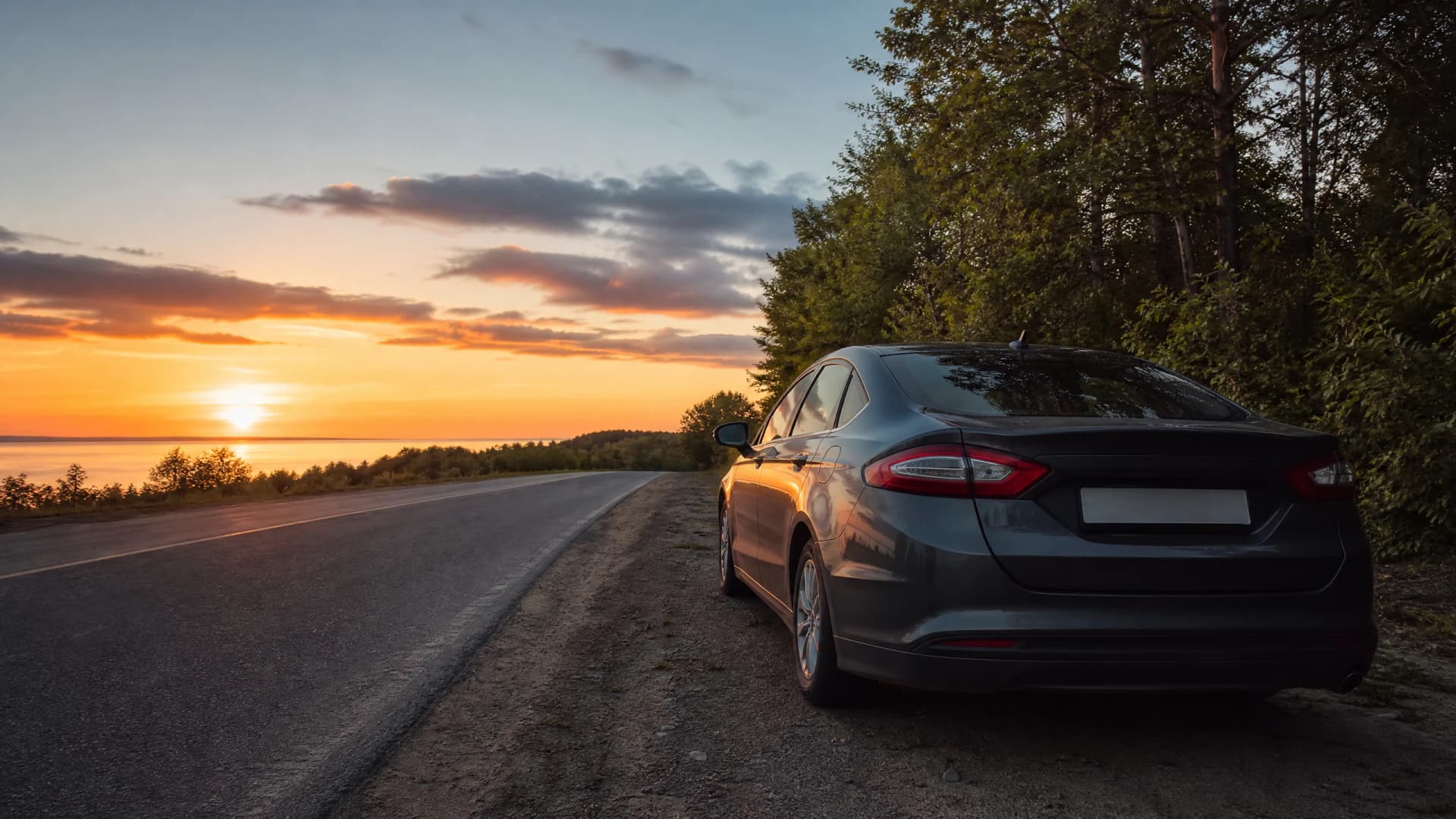
Progressive's multi-car discount disappears when vehicles are garaged at different addresses, even when the same household owns every car and insures through the same carrier.
Related Articles




When Progressive Fits Multi-Vehicle Households
Progressive fits Washington households where every vehicle shares a garaging address, where at least one driver needs SR-22 or non-owner coverage, or where the household's combined driving history places them in the standard tier rather than preferred. The carrier writes online quotes, processes policy changes digitally, and handles mid-term vehicle additions without requiring a phone call for most transactions. If you're adding a third car mid-term, Progressive re-rates the policy immediately and applies the multi-car discount to the new vehicle count.
Progressive does not fit households where vehicles are garaged at separate addresses, where one vehicle is titled to a household member on a different policy, or where a rarely-driven car needs coverage separate from the daily drivers. The same-policy, same-address requirement is non-negotiable. If your household structure doesn't match that requirement, compare Progressive's single-vehicle rate for each car against carriers that allow multi-car discounts across separately-garaged vehicles or that structure household policies differently.
For households where one driver needs an SR-22 and the others don't, Progressive's SR-22 capability and standard-tier underwriting make it a strong candidate. The SR-22 filing attaches to the driver, not the policy, but the entire policy re-rates to reflect that driver's risk. The multi-car discount still applies, which can offset some of the SR-22 surcharge when you're insuring multiple vehicles. Compare Progressive's SR-22 multi-car quote against GEICO, Farmers, and National General, all of which write SR-22 in Washington and offer multi-vehicle discounts.
$25,000 / $50,000 / $10,000
Washington Minimum Liability Limits
Washington requires $25,000 per person for bodily injury, $50,000 per accident, and $10,000 for property damage. Every vehicle on a multi-car policy must carry at least these minimums. Progressive and competing carriers quote above-minimum coverage as the default, which increases the base premium but provides better protection for households with multiple vehicles.
Washington State Department of Licensing, RCW 46.29
Adding or Removing Vehicles Mid-Term
Adding a vehicle to an existing Progressive policy mid-term re-rates the entire policy immediately. The multi-car discount applies to the new vehicle count, but the base premium reflects the added vehicle's value, the coverage levels you select, and the primary driver's history. Progressive does not prorate the discount — the new vehicle receives the full multi-car discount from the date you add it, and the policy anniversary does not reset.
Removing a vehicle mid-term also re-rates the policy. If you drop from three vehicles to two, the multi-car discount adjusts to reflect the new vehicle count, and the base premium decreases. Progressive refunds the unused premium for the removed vehicle on a pro-rata basis. If you're removing a vehicle because it was totaled or sold, notify Progressive within the grace period to avoid paying for coverage on a car you no longer own.
Compare Carriers Writing Your Household
Progressive is one of nineteen carriers writing multi-vehicle policies in Washington. The right carrier depends on your household's vehicle count, garaging structure, and whether any driver needs SR-22 or non-owner coverage. State Farm and USAA offer preferred-tier underwriting for clean-record households. GEICO, Allstate, and Farmers compete in the standard tier alongside Progressive. Bristol West, Dairyland, The General, and National General write non-standard policies for higher-risk households, including drivers with suspended licenses or multiple violations.
Request quotes from at least three carriers that write your household's vehicle count and coverage needs. Provide the same vehicle information, coverage levels, and driver details to each carrier so the quotes reflect identical coverage. Compare the total annual premium, the per-vehicle breakdown if the carrier provides it, and the multi-car discount percentage. The lowest total premium wins, not the largest discount percentage — a smaller discount on a lower base rate beats a larger discount on a higher one. Washington's comparison tool at the state insurance commissioner's website lists carriers writing in your county and provides complaint ratios for each.
Comparing Progressive Against Washington Carriers
State Farm and USAA sit in the preferred tier, writing multi-vehicle policies with stricter underwriting and typically lower base rates for clean-record households. Progressive, GEICO, and Allstate occupy the standard tier, writing broader risk profiles including SR-22 filers and drivers with violations. If your household includes a driver with a DUI or suspended license, Progressive's standard-tier positioning and SR-22 capability make it a direct competitor against GEICO, Farmers, and National General. If every driver has a clean record, State Farm and USAA may offer lower combined premiums even without a larger multi-car discount percentage.
The multi-car discount structure varies by carrier. Some carriers apply the discount to every vehicle on the policy; others apply it only to the second and subsequent vehicles, leaving the first car at the base rate. Progressive applies the discount to the policy as a whole, which means the total premium reflects the discount across all vehicles rather than itemizing it per car. When comparing quotes, ask each carrier whether the multi-car discount applies to every vehicle or only to additional vehicles, and whether the discount percentage changes with the third or fourth car.
Get Your Free Quote
Get My Washington Car Insurance QuoteFrequently Asked Questions
Does Progressive offer a multi-car discount in Washington?
Yes. Progressive offers a multi-vehicle discount in Washington when every car sits on the same policy and shares a primary garaging address. The discount applies to the policy as a whole, not to individual vehicles, and the percentage adjusts based on the number of vehicles you insure.
Can I get Progressive's multi-car discount if my cars are garaged at different addresses?
No. Progressive requires every vehicle on the policy to share the same primary garaging address to qualify for the multi-car discount. Vehicles garaged at separate addresses are treated as separate risks, even when owned by the same household, and the discount does not apply across addresses.
Does Progressive write SR-22 filings for multi-car policies in Washington?
Yes. Progressive writes SR-22 filings in Washington and allows SR-22 drivers to remain on multi-vehicle policies. The SR-22 requirement attaches to the driver, not the vehicle, so the entire policy re-rates to reflect that driver's risk profile, but the multi-car discount still applies.
How does adding a third car to my Progressive policy affect my premium?
Adding a third car re-rates your entire Progressive policy immediately. The multi-car discount applies to the new three-vehicle count, but the base premium increases to reflect the added vehicle's value, coverage levels, and primary driver's history. The discount does not prorate — it applies in full from the date you add the vehicle.
Which Washington carriers compete with Progressive for multi-car policies?
State Farm, GEICO, Allstate, USAA, Farmers, and Liberty Mutual compete directly with Progressive for multi-vehicle policies in Washington. State Farm and USAA sit in the preferred tier with stricter underwriting. GEICO, Allstate, and Farmers occupy the standard tier alongside Progressive. Bristol West, Dairyland, and The General write non-standard policies for higher-risk households.
Can I insure two cars on one Progressive policy and a third car on a separate policy?
Yes, but the multi-car discount applies only to the policy with multiple vehicles. The third car on a separate policy does not receive the multi-car discount, even when insured through Progressive. If all three vehicles share a garaging address and can sit on one policy, combining them produces the lowest total premium.