
Full Coverage Car Insurance Companies — Washington
Free to compare
Full Coverage Across Multiple Vehicles in Washington
You own two or more vehicles in Washington and you're deciding whether to carry full coverage on every car or split coverage levels across the household. The structural reality: full coverage is not a single product applied to a policy. It is a per-vehicle combination of collision, comprehensive, and liability coverage, and each vehicle on your policy can carry a different coverage configuration. When you add a second or third car, the carrier re-rates the entire policy based on the new vehicle's coverage elections, not just the incremental cost of the added car.
This article clarifies what full coverage actually means in Washington, which carriers write policies covering multiple vehicles with collision and comprehensive, how adding a vehicle changes your premium structure, and the specific decisions you face when structuring coverage across a household's cars. Washington's minimum liability requirement is $25,000 per person for bodily injury, $50,000 per accident for bodily injury, and $10,000 for property damage. Full coverage adds collision (pays for damage to your vehicle in an at-fault crash) and comprehensive (pays for theft, weather, vandalism, animal strikes) on top of that liability floor.
“Collision and comprehensive are per-vehicle elections that reset premium structure when a second or third car is added.”
Check Your Rate Against Other Washington Drivers
Get My Washington Car Insurance Quote$25,000 / $50,000 / $10,000
Washington Liability Minimums
Washington requires $25,000 per person for bodily injury, $50,000 per accident for bodily injury, and $10,000 for property damage. Full coverage policies layer collision and comprehensive on top of these liability minimums, and each vehicle on a multi-car policy can carry different coverage levels.
Washington State Department of Licensing
What Full Coverage Actually Covers on a Multi-Vehicle Policy
Full coverage is shorthand for a policy that includes liability, collision, and comprehensive coverage. Liability pays for damage you cause to others. Collision pays to repair or replace your vehicle after a crash, regardless of fault. Comprehensive pays for non-collision damage: theft, hail, flood, fire, vandalism, hitting an animal. When you insure multiple vehicles on one policy, each vehicle gets its own collision and comprehensive election. You can carry full coverage on one car and liability-only on another. The multi-car discount applies to the policy as a whole, but the coverage structure is per-vehicle.
Adding collision and comprehensive to a second or third vehicle re-rates the policy because the carrier now assumes collision and comprehensive risk for that additional vehicle. A household with three vehicles might carry full coverage on the two daily drivers and liability-only on a rarely-driven third car. That structure lowers the total premium compared to full coverage on all three, but it also means the third car has no collision or comprehensive protection. If it is totaled in a crash you caused or stolen, you receive no payout for the vehicle itself.
Washington does not mandate collision or comprehensive coverage. The state requires only liability insurance to register and drive legally. Lenders require collision and comprehensive on financed or leased vehicles until the loan is paid off. Once a vehicle is paid off, the decision to keep or drop collision and comprehensive is yours. Carriers writing multi-car policies in Washington allow you to configure coverage per vehicle, but they re-rate the entire policy when you change any vehicle's coverage or add a new vehicle mid-term.
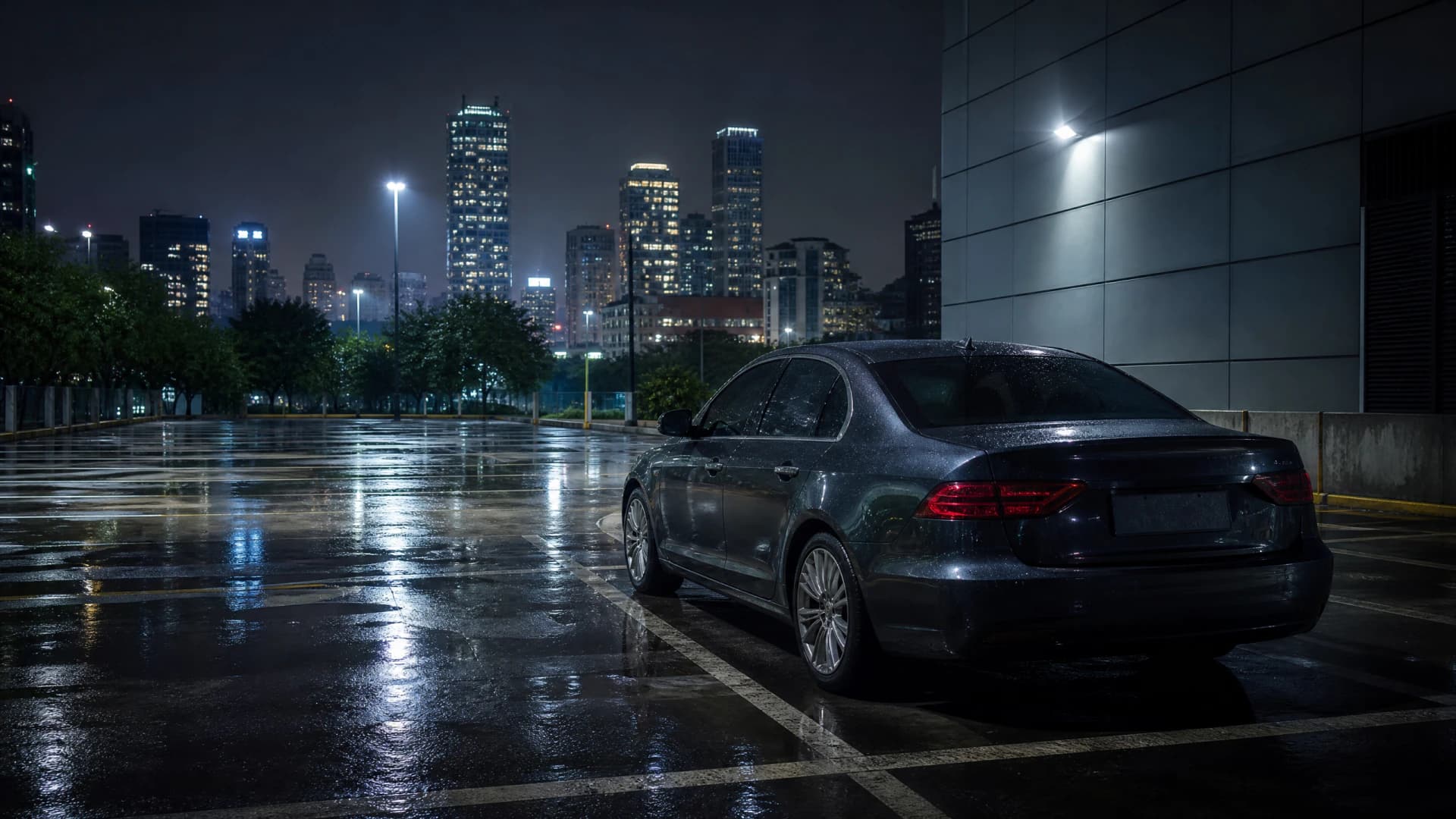
Collision and comprehensive are per-vehicle elections. Adding full coverage to a second car re-rates the entire policy, not just the added vehicle's premium.
Related Articles

Best Car Insurance for Multiple Cars in WA
7/15/2026

Full Coverage Companies Washington Multi-Car
7/15/2026

Full Coverage Car Insurance in Washington
7/15/2026
Liability vs Full Coverage in Washington
7/15/2026
Liability vs Full Coverage in Washington
7/15/2026

Multi-Car Coverage Requirements in Washington
7/15/2026

How Adding a Vehicle Changes Your Premium Structure
When you add a second or third vehicle to an existing policy, the carrier does not simply append a flat amount to your current premium. It re-rates the entire policy. The new vehicle's year, make, model, safety features, theft rate, and coverage elections feed into the carrier's rating algorithm, and the algorithm recalculates the premium for every vehicle on the policy. A household adding a high-theft-rate vehicle or a sports car with full coverage will see a larger premium increase than a household adding an older sedan with liability-only coverage.
The multi-car discount applies after the re-rating. Most carriers offer a discount when two or more vehicles sit on the same policy, but the discount is a percentage reduction applied to the re-rated total, not a fixed dollar amount. A larger total premium produces a larger discount in absolute dollars, but the net cost still rises when the added vehicle increases risk. The failure mode competing pages omit: households assume the multi-car discount offsets the cost of adding a vehicle. It reduces the total compared to insuring the vehicles on separate policies, but it does not make adding a high-risk vehicle cheap.
Carriers allow you to add a vehicle mid-term, but the coverage effective date matters. Most carriers provide a grace period (typically 14 to 30 days) during which a newly-purchased vehicle is automatically covered under your existing policy's highest coverage levels. After the grace period, you must formally add the vehicle and elect its coverage. If you do not add it within the grace period and you have a claim, the carrier can deny coverage for that vehicle. Washington does not mandate a specific grace period by statute; the period is set by each carrier's policy terms.
18 carriers
Washington Multi-Car Roster
Eighteen carriers write auto insurance in Washington and offer multi-car policies with collision and comprehensive coverage. The roster spans preferred-tier, standard-tier, and non-standard carriers, giving households options across risk profiles and coverage needs.
Washington State Office of the Insurance Commissioner

Structuring Coverage Across Your Household's Vehicles
The decision framework: carry full coverage on financed or leased vehicles (the lender requires it), on vehicles you cannot afford to replace out of pocket, and on vehicles driven daily in high-risk conditions (dense traffic, high theft areas, severe weather exposure). Carry liability-only on paid-off vehicles with low market value, on rarely-driven vehicles, and on vehicles you can afford to replace without an insurance payout. A household with three vehicles might carry full coverage on the two financed daily drivers and liability-only on a paid-off third car used once a week. That structure meets lender requirements, protects the high-use vehicles, and lowers the total premium compared to full coverage on all three.
Deductibles are per-vehicle elections. A $500 deductible on one car and a $1,000 deductible on another is a valid configuration. Higher deductibles lower the premium but increase your out-of-pocket cost at claim time. Households structuring coverage across multiple vehicles often choose higher deductibles on lower-value vehicles and lower deductibles on higher-value vehicles. The carrier allows different deductibles per vehicle on the same policy, but each vehicle's deductible applies independently. If two vehicles are damaged in the same incident, you pay both deductibles.
Compare Carriers Before Adding a Vehicle
The action step: before you add a second or third vehicle to your policy, compare how carriers in Washington structure multi-car policies and re-rate when a vehicle is added. Request quotes from at least three carriers showing the total premium with the new vehicle included, not just the incremental cost. A carrier offering a large multi-car discount on a high base rate can cost more than a carrier with a smaller discount on a lower base rate. The comparison shows which carrier structures the policy to minimize the re-rating impact for your specific household.
Washington's carrier roster includes eighteen insurers writing multi-car policies with full coverage options. Preferred-tier carriers (State Farm, USAA, Amica) typically offer the lowest rates for households with clean driving records and good credit. Standard-tier carriers (Geico, Progressive, Allstate, Farmers) serve a broader risk profile. Non-standard carriers (Bristol West, Dairyland, The General) serve drivers with violations, lapses, or SR-22 requirements. Comparing across tiers shows which carrier writes your household's specific vehicle and driver combination at the lowest total cost with the coverage structure you need.
Carriers Writing Full Coverage Multi-Car Policies in Washington
Preferred-tier carriers writing full coverage multi-car policies in Washington: State Farm, USAA (military-affiliated households only), and Amica. Standard-tier carriers: Allstate, American Family, Farmers, Geico, Hartford, Liberty Mutual, Nationwide, Progressive, and Travelers. Non-standard carriers serving higher-risk drivers: Bristol West, Dairyland, National General, The General. Root is a newer carrier offering full coverage policies in Washington with app-based underwriting. Country Financial writes in Washington but does not confirm SR-22 or non-owner filings, indicating a preferred-risk focus.
The multi-car discount typically requires every vehicle to sit on the same policy and share a garaging address. When you add a vehicle, the carrier re-rates the policy based on the new vehicle's year, make, model, and coverage elections. A third vehicle with full coverage added mid-term can increase the total premium more than the household expects, because the carrier recalculates risk across all vehicles. Comparing carriers before adding a vehicle shows which ones structure multi-car policies to minimize the re-rating impact when a household grows from two to three or more vehicles.
Get Your Free Quote
Get My Washington Car Insurance QuoteFrequently Asked Questions
Does full coverage in Washington apply to every vehicle on a multi-car policy?
No. Full coverage is a per-vehicle combination of liability, collision, and comprehensive. Each vehicle on a multi-car policy can carry different coverage levels. You can insure one car with full coverage and another with liability-only on the same policy.
How many carriers in Washington write multi-car policies with full coverage?
Eighteen carriers write auto insurance in Washington and offer multi-car policies with collision and comprehensive coverage. The roster includes preferred-tier carriers like State Farm and USAA, standard-tier carriers like Geico and Progressive, and non-standard carriers like Bristol West and Dairyland.
What happens to my premium when I add a third vehicle with full coverage?
The carrier re-rates the entire policy based on the new vehicle's year, make, model, and coverage elections. The multi-car discount applies after re-rating, but the total premium increases because the carrier now assumes collision and comprehensive risk for the added vehicle.
Can I carry different deductibles on different vehicles in Washington?
Yes. Washington carriers allow different collision and comprehensive deductibles per vehicle on the same multi-car policy. A $500 deductible on one car and a $1,000 deductible on another is a valid configuration. Each deductible applies independently at claim time.
Do I have to add a newly-purchased vehicle to my policy immediately?
Most carriers provide a grace period (typically 14 to 30 days) during which a newly-purchased vehicle is automatically covered under your existing policy's highest coverage levels. After the grace period, you must formally add the vehicle. If you do not and you have a claim, the carrier can deny coverage.
Should I carry full coverage on every vehicle I own?
Carry full coverage on financed or leased vehicles (the lender requires it), on vehicles you cannot afford to replace out of pocket, and on daily drivers in high-risk conditions. Carry liability-only on paid-off vehicles with low market value or vehicles driven rarely.