
Liability vs Full Coverage — Washington
Free to compare
The Multi-Vehicle Coverage Question
You own two or more vehicles. Your carrier quoted you full coverage on both, and the combined premium is higher than you expected. You're trying to figure out whether you need comprehensive and collision on every car, or whether liability-only makes sense for the older one.
This is the structural decision most multi-vehicle households face, and most get it wrong by treating every car the same. Washington law requires liability coverage on every registered vehicle — $25,000 per person, $50,000 per accident for bodily injury, and $10,000 for property damage — but it does not require you to carry collision or comprehensive on any of them. The question is not what the state mandates. The question is which vehicles justify paying for physical-damage coverage and which do not.
“The multi-car discount applies to the policy, not to the coverage level on each car.”

Check Your Rate Against Other Washington Drivers
Get My Washington Car Insurance Quote$25,000 / $50,000 / $10,000
Washington Liability Minimums
Every registered vehicle in Washington must carry at least this much liability coverage. Bodily injury per person, bodily injury per accident, and property damage.
Washington State Department of Licensing, RCW 46.29.460
What Liability Covers and What It Does Not
Liability insurance pays for damage you cause to someone else: their medical bills, their vehicle repair, their lost wages. It does not pay to fix your own car. If you rear-end another driver, liability covers their repair bill up to your property-damage limit. Your own repair bill is not covered unless you carry collision coverage.
Full coverage is not a product. It is shorthand for a policy that includes liability plus collision and comprehensive. Collision pays to repair your vehicle after a crash, regardless of fault. Comprehensive pays for theft, vandalism, weather damage, and animal strikes. Both require you to pay a deductible before the carrier pays the rest.
The structural reality: you can carry liability-only on one vehicle and full coverage on another, all on the same policy. The multi-car discount applies to the policy, not to the coverage level on each car. Mixing coverage levels across your vehicles does not disqualify you from the discount.
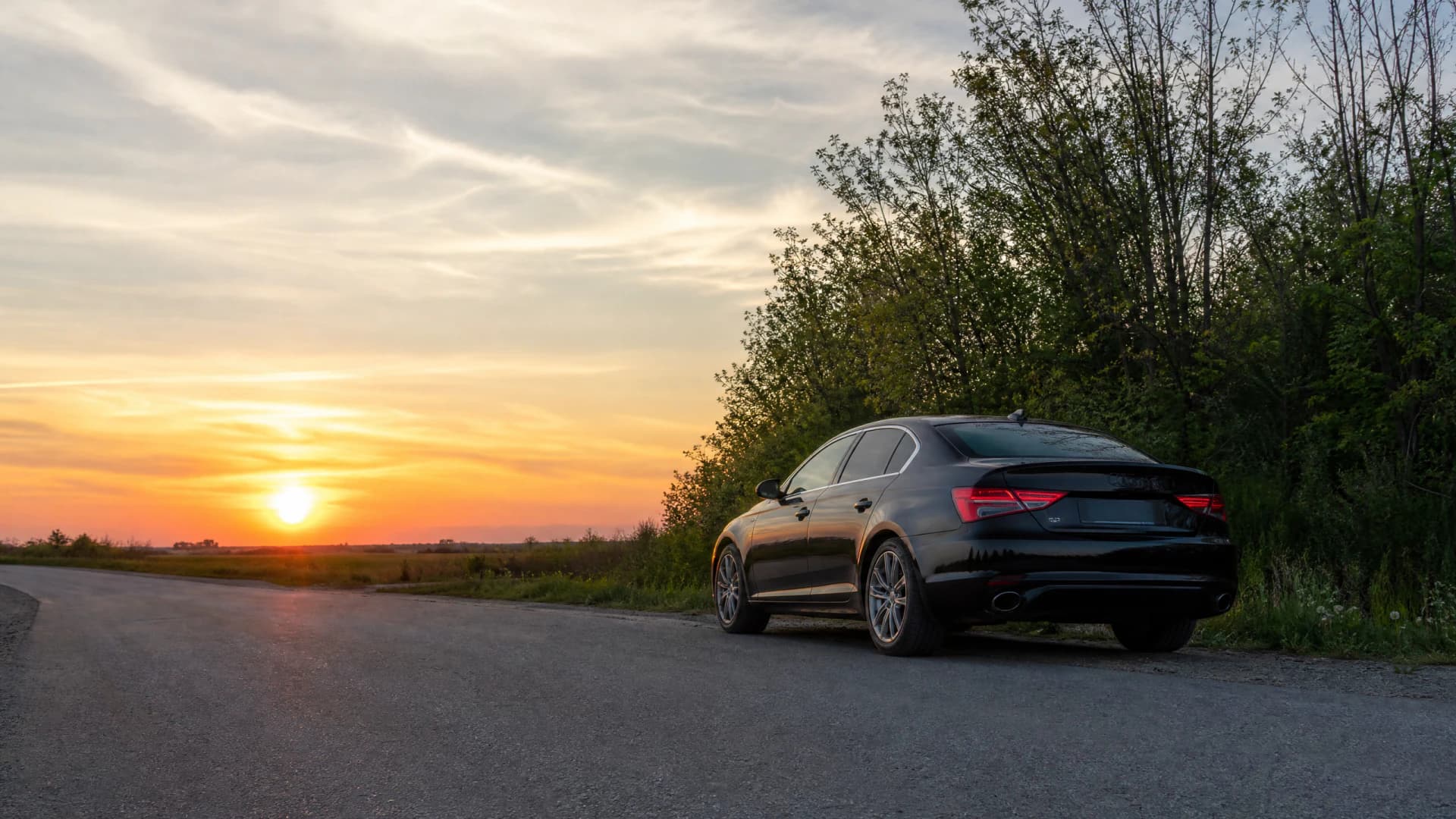
Most households default to identical coverage on every vehicle. That costs more than structuring coverage by value and use.
Related Articles

Best Car Insurance for Multiple Cars in WA
7/15/2026

Liability vs Full Coverage in Washington
7/15/2026
Minimum vs Full Coverage for Multiple Cars WA
7/15/2026

Full Coverage Companies Washington Multi-Car
7/15/2026
Full Coverage Car Insurance in Washington
7/15/2026
Full Coverage Companies Washington Multi-Car
7/15/2026
When Full Coverage Is Worth Keeping
Full coverage makes sense when the vehicle's value justifies the premium, when you cannot afford to replace it out of pocket, or when a lienholder requires it. Any financed or leased vehicle must carry collision and comprehensive until the loan is paid off. The lender holds the title and requires physical-damage coverage to protect their interest.
Newer vehicles with high replacement cost benefit from full coverage even when paid off. A $25,000 vehicle totaled in a crash is a $25,000 loss if you carry liability-only. Collision coverage pays the actual cash value minus your deductible, which is almost always better than paying the replacement cost yourself. The decision flips when the vehicle's value drops low enough that the annual premium approaches the potential payout.
Washington is a comparative-negligence state. If you are partially at fault in a crash, the other driver's liability coverage pays only their percentage of your damage. Your collision coverage pays the rest, minus your deductible.
19.1%
Washington Uninsured Motorist Rate
Nearly one in five drivers in Washington carries no insurance. If an uninsured driver hits you and you carry liability-only, you pay your own repair bill. Collision coverage pays regardless of the other driver's insurance status.
Insurance Research Council, 2023
Structuring Coverage Across Your Vehicles
List every vehicle on your policy with its current market value. Check the actual cash value using your carrier's valuation tool, Kelley Blue Book, or NADA Guides — not what you paid for it, what it is worth today. Compare that value to the annual cost of collision and comprehensive for that specific vehicle. Your carrier can quote the premium with and without physical-damage coverage on each car.
Apply the threshold to each vehicle individually. A household with three cars might carry full coverage on the newest two and liability-only on the oldest. The multi-car discount applies to the entire policy, so dropping collision and comprehensive on one vehicle lowers the total premium without losing the discount. The savings from removing physical-damage coverage on a low-value car often exceeds the marginal cost of keeping it on the policy with liability-only.
Compare Carriers That Write Multi-Vehicle Policies
Not every carrier prices multi-vehicle policies the same way. Some apply the multi-car discount as a percentage off each vehicle's premium. Others reduce the base rate before calculating coverage. A smaller discount on a lower base rate can produce a better total premium than a larger discount on a higher one. The only way to know is to compare quotes with your actual vehicle count and coverage structure.
Washington carriers that write multi-vehicle policies include State Farm, Geico, Progressive, Allstate, USAA, Farmers, Nationwide, Liberty Mutual, Travelers, and American Family. Each prices liability-only and full-coverage differently, and each applies the multi-car discount differently. Get quotes from at least three carriers with the same coverage structure on each vehicle — liability-only on the low-value cars, full coverage on the high-value ones — and compare the total annual premium. The lowest per-vehicle rate does not always produce the lowest total cost across multiple cars.
When Liability-Only Makes Sense
A common threshold: if the vehicle is worth less than ten times the annual cost of collision and comprehensive coverage, drop the physical-damage coverage. One claim pays out less than the vehicle is worth, and after the deductible, the net benefit is small. After two or three years of premiums with no claims, you have paid more than the car is worth.
Vehicles that sit unused most of the time are strong candidates for liability-only. A third car garaged as a backup, a project vehicle driven occasionally, or a teenager's car used only on weekends — these accumulate fewer miles and lower crash risk. Paying full-coverage premiums on a car driven 2,000 miles per year makes less sense than on one driven 15,000. Liability coverage is still required to keep the registration active, but collision and comprehensive are optional.
Get Your Free Quote
Get My Washington Car Insurance QuoteFrequently Asked Questions
Can I carry liability-only on one car and full coverage on another on the same policy?
Yes. Washington does not require identical coverage on every vehicle. You can structure coverage by vehicle value and use. The multi-car discount applies to the policy, not to the coverage level on each car.
Does dropping collision and comprehensive on one vehicle affect my multi-car discount?
No. The multi-car discount applies when you insure multiple vehicles on the same policy, regardless of the coverage level on each one. Removing physical-damage coverage from a low-value vehicle lowers your premium without losing the discount.
What happens if an uninsured driver hits my car and I only have liability coverage?
You pay your own repair bill. Liability coverage does not pay for damage to your vehicle. Collision coverage pays regardless of the other driver's insurance status, minus your deductible. Washington's uninsured motorist rate is 19.1 percent.
How do I know when a vehicle's value is too low for full coverage?
Compare the vehicle's current market value to the annual cost of collision and comprehensive. If the premium exceeds 10 percent of the vehicle's value, liability-only usually makes more sense. Check actual cash value using your carrier's tool or Kelley Blue Book.
Do I need full coverage on a financed vehicle?
Yes. Lienholders require collision and comprehensive until the loan is paid off. Once you own the vehicle outright, you can drop physical-damage coverage if the value no longer justifies the premium.
Can I change coverage levels mid-term on one vehicle without re-rating the whole policy?
Most carriers allow mid-term changes, but adding or removing collision and comprehensive triggers a policy re-rating. The premium adjusts for the remaining term. Contact your carrier to confirm the new total before making the change.