
Full Coverage Car Insurance — Washington
Free to compare
When Full Coverage Makes Sense for Multiple Vehicles
You own three cars. You're paying full coverage on all three and wondering whether you can drop collision and comprehensive on the older car without losing the multi-car discount that applies to the entire policy. The answer depends on how your carrier structures the discount and whether the savings from dropping coverage exceed the discount reduction across all three vehicles.
Full coverage means liability plus collision and comprehensive. Washington requires $25,000 bodily injury per person, $50,000 per accident, and $10,000 property damage. Full coverage adds collision (pays for damage to your car in an at-fault crash) and comprehensive (pays for theft, vandalism, weather, and animal strikes). The multi-car discount applies when every vehicle sits on the same policy, but some carriers reduce the discount when coverage levels differ across vehicles.
“Dropping collision on one car can shrink the multi-car discount across all three vehicles, erasing most of the premium you saved.”

Check Your Rate Against Other Washington Drivers
Get My Washington Car Insurance Quote$25,000 / $50,000 / $10,000
Washington Minimum Liability
Washington requires $25,000 bodily injury per person, $50,000 per accident, and $10,000 property damage. These minimums apply to every vehicle on your policy, whether you carry full coverage or liability-only.
Washington State Office of the Insurance Commissioner
How Dropping Coverage on One Car Affects the Multi-Car Discount
The multi-car discount typically saves you money by bundling every vehicle on one policy. Most carriers apply the discount as a percentage off the total premium, calculated after rating each vehicle individually. When you drop collision and comprehensive on one car, that vehicle's premium falls, but the discount percentage may also shrink if the carrier ties discount size to coverage uniformity.
Some carriers reduce the multi-car discount when vehicles carry different coverage levels. If your three-car policy saves 20 percent with full coverage on all three, dropping coverage on the oldest car might reduce the discount to 15 percent. The smaller discount applies to the entire policy, not just the car with reduced coverage. The net result: you save the collision premium on one vehicle but lose five percentage points of discount across all three.
Other carriers hold the multi-car discount constant regardless of coverage differences. These carriers rate each vehicle independently, apply the discount to the total, and let you mix liability-only and full coverage without penalty. The only way to know which structure your carrier uses is to request a quote with the coverage change before you make it.
The discount structure determines whether dropping coverage is worth it.
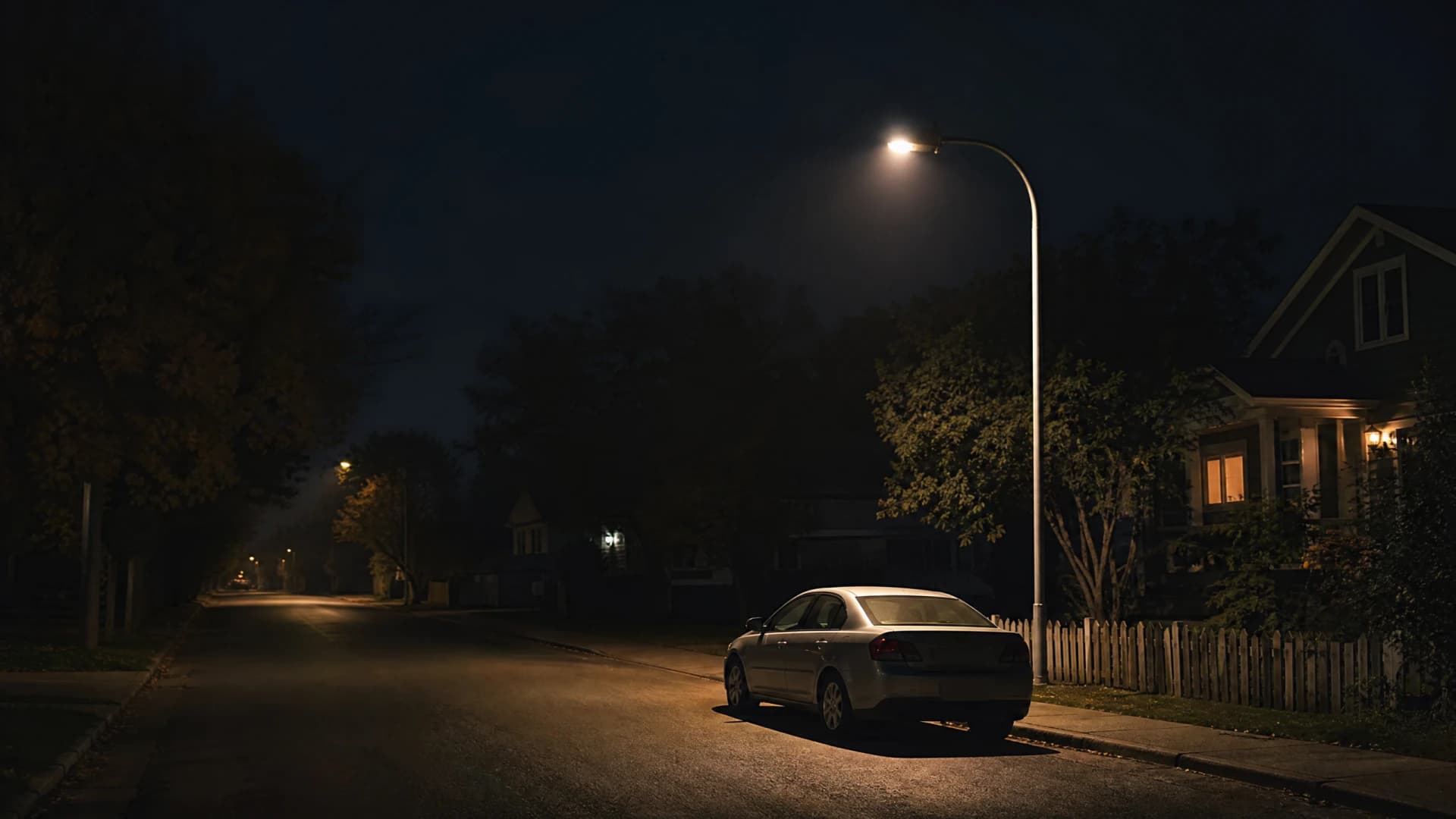
Dropping full coverage on one vehicle can shrink the multi-car discount on your entire policy, erasing most of the collision premium you saved.
Related Articles

Best Car Insurance for Multiple Cars in WA
7/15/2026
Full Coverage Companies Washington Multi-Car
7/15/2026
Liability vs Full Coverage in Washington
7/15/2026
Full Coverage Companies Washington Multi-Car
7/15/2026
Liability vs Full Coverage in Washington
7/15/2026
Minimum vs Full Coverage for Multiple Cars WA
7/15/2026
When Dropping Coverage Makes Sense
Drop collision and comprehensive when the vehicle is paid off, worth less than ten times your deductible, and your carrier holds the multi-car discount constant regardless of coverage differences. After six years you have paid more in premiums than the car is worth.
The decision also depends on replacement cost. If losing the car forces you to finance a replacement immediately, keep collision. If you can absorb the loss and drive another household vehicle while you save for a replacement, dropping coverage makes sense. The coverage exists to protect you from a financial shock you cannot handle, not to guarantee a payout on every loss.
Washington does not require collision or comprehensive. You can carry liability-only on any paid-off vehicle. The state requires proof of liability coverage to register a vehicle, but collision and comprehensive are optional. Dropping them does not affect your registration or legal ability to drive.
19.1%
Washington Uninsured Motorist Rate
Nearly one in five Washington drivers carries no insurance. Uninsured motorist coverage pays for injuries and damage when an at-fault driver has no liability policy. It is optional in Washington but worth carrying on every vehicle when you drop collision.
Insurance Research Council, 2023

How Deductibles Change the Math
Raising your deductible from $500 to $1,000 cuts collision and comprehensive premiums without dropping coverage entirely. The higher deductible reduces the carrier's risk and lowers your monthly cost. On a multi-car policy, raising deductibles on every vehicle can save as much as dropping coverage on one, without triggering a discount reduction.
Choose a $500 or $1,000 deductible based on how much you can pay out of pocket after a crash. A $1,000 deductible saves money every month but costs $500 more at claim time than a $500 deductible. If you cannot cover the higher deductible without financial strain, the monthly savings are not worth the risk. If you have $1,000 in accessible savings, the higher deductible is the better long-term choice.
Compare Carriers Before You Drop Coverage
Carriers in Washington structure multi-car discounts differently. Some tie discount size to coverage uniformity; others do not. Some apply the discount to the total premium; others apply it per vehicle. The only way to know how dropping coverage affects your total cost is to request quotes from multiple carriers with both coverage scenarios.
Washington licenses 19 carriers that write multi-car policies for standard-risk households, including State Farm, GEICO, Progressive, Allstate, and Farmers. Request quotes with full coverage on all vehicles, then request quotes with liability-only on the oldest vehicle. Compare the total premium under both scenarios. The carrier with the smallest discount reduction when you drop coverage gives you the most flexibility to adjust coverage as vehicle values fall.
When you compare, confirm that every vehicle on the quote sits on the same policy and shares the same garaging address. Some carriers require both conditions for the multi-car discount to apply. A vehicle titled to a household member on a separate policy does not count toward your multi-car discount, even if it is garaged at your address.
When to Keep Full Coverage on Every Vehicle
First, any vehicle with an active loan or lease requires full coverage. The lienholder mandates collision and comprehensive as a condition of financing. Dropping coverage violates the loan agreement and triggers forced-place insurance from the lender at a much higher cost. Even if the car is worth less than you owe, the loan terms control. You cannot drop coverage until the loan is paid off.
Second, when the multi-car discount exceeds the collision premium you would save, keep full coverage. Request a quote with and without collision on the older vehicle. Compare the total premium for all vehicles under both scenarios. If the discount reduction costs more than the collision premium, full coverage is cheaper. This calculation matters most on policies with three or more vehicles, where the discount applies to a larger base.
Get Your Free Quote
Get My Washington Car Insurance QuoteFrequently Asked Questions
Does Washington require full coverage car insurance?
No. Washington requires liability coverage only: $25,000 bodily injury per person, $50,000 per accident, and $10,000 property damage. Collision and comprehensive are optional unless your vehicle has an active loan or lease. Lienholders require full coverage as a condition of financing.
Can I drop full coverage on one car and keep it on the others?
Yes, but some carriers reduce the multi-car discount when vehicles carry different coverage levels. Request a quote with the coverage change before you make it. Compare the total premium for all vehicles to confirm the savings exceed any discount reduction.
How much does full coverage cost for multiple cars in Washington?
Cost depends on vehicle value, driver age, coverage limits, deductibles, and the multi-car discount your carrier applies. Request quotes from multiple carriers with your household's specific vehicles and drivers. Rates vary widely by carrier and cannot be estimated without a quote.
What is the multi-car discount in Washington?
The multi-car discount reduces your total premium when you insure two or more vehicles on the same policy. Discount size varies by carrier. Some carriers tie discount size to coverage uniformity; others hold it constant regardless of coverage differences. Request quotes from multiple carriers to compare.
When should I drop collision and comprehensive coverage?
Drop collision and comprehensive when the vehicle is paid off, worth less than ten times your deductible, and your carrier holds the multi-car discount constant. If the vehicle is financed, you cannot drop coverage. If losing the car forces you to finance a replacement immediately, keep collision.
Does dropping coverage on one car affect my other vehicles?
It can. Some carriers reduce the multi-car discount when vehicles carry different coverage levels. The smaller discount applies to the entire policy, not just the car with reduced coverage. Request a quote with the coverage change to see how it affects your total premium.