
Full Coverage Car Insurance Companies — Washington
Free to compare
When Adding Full Coverage to Multiple Vehicles
You own two or more vehicles in Washington and need full coverage on all of them. The carrier you choose matters less than whether that carrier will put every vehicle on one policy and apply the multi-car discount correctly. Many households discover mid-term that a vehicle titled to a spouse or household member sitting on a separate policy does not qualify for the same-policy discount, even when both policies are with the same carrier.
Full coverage in Washington means liability plus collision and comprehensive. The state requires $25,000 bodily injury per person, $50,000 per accident, and $10,000 property damage. Full coverage adds physical damage protection for your own vehicles. The multi-car discount applies when every vehicle sits on one policy, but not all carriers structure multi-vehicle policies the same way.
“A vehicle titled separately or garaged at a different address may disqualify the entire household from the multi-car discount.”

Check Your Rate Against Other Washington Drivers
Get My Washington Car Insurance Quote18 carriers
Washington Multi-Vehicle Writers
Eighteen carriers write auto insurance in Washington and can structure multi-car policies. Not all offer the same discount structure or same-address flexibility. Carrier roster includes State Farm, Geico, Progressive, Allstate, USAA, Farmers, Nationwide, Liberty Mutual, and ten others licensed in the state.
Washington State Office of the Insurance Commissioner carrier licensing data
The Same-Policy Requirement
The multi-car discount requires every vehicle to sit on the same policy. A household with three cars titled to three different people, each carrying their own policy with the same carrier, does not receive the discount. The carrier sees three separate policies, not one multi-vehicle policy.
Most carriers also require every vehicle to be garaged at the same address. A car titled to a household member but garaged elsewhere—college student, second home, work location—may not qualify. Some carriers allow exceptions for students away at school if the vehicle remains on the family policy, but the rule is not universal.
When you add a vehicle mid-term, the policy re-rates. The carrier recalculates the premium for every vehicle on the policy based on the new total. A smaller discount on a lower base rate can beat a larger discount on a higher base rate, so comparing total policy cost across carriers matters more than comparing discount percentages.
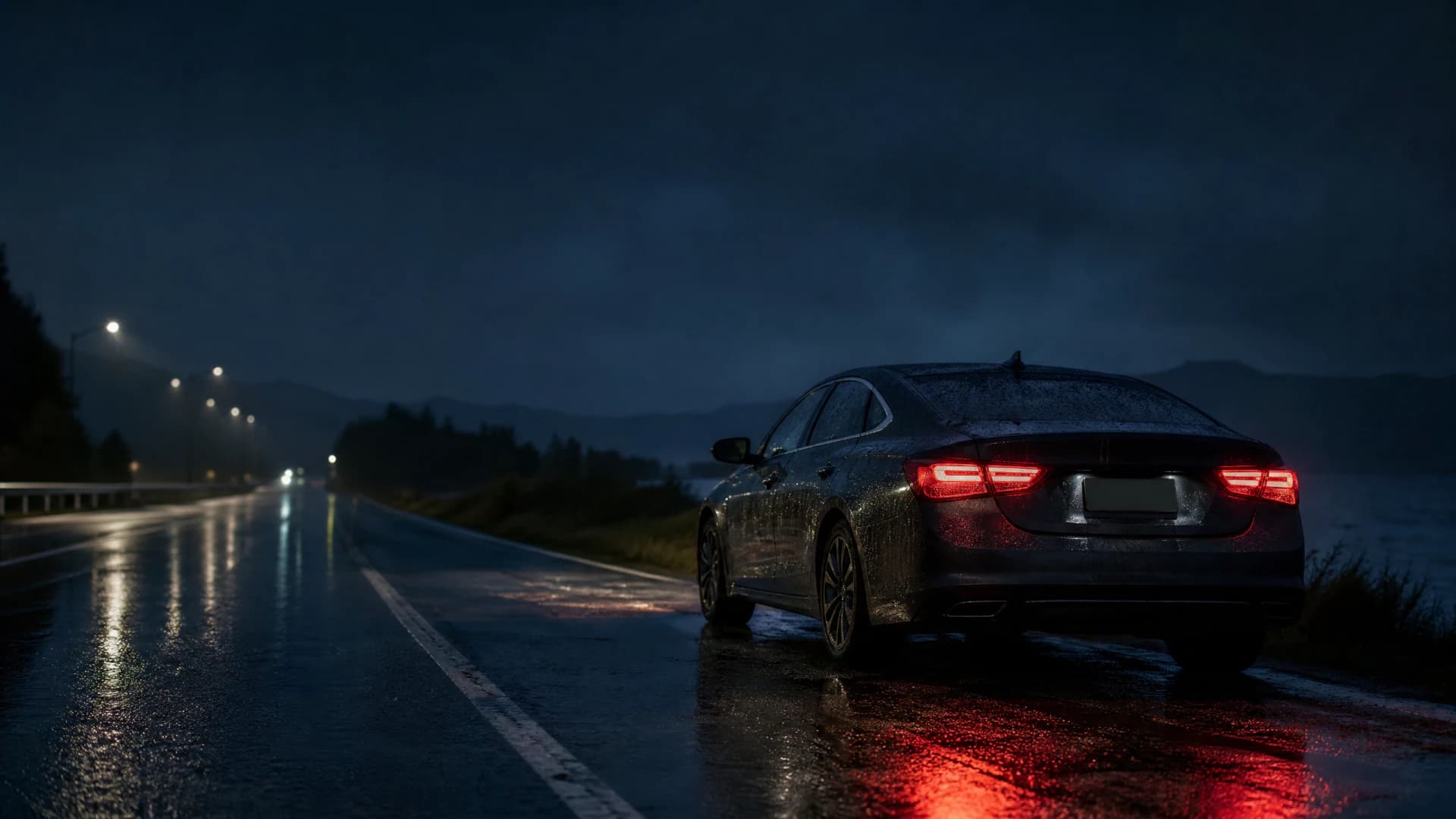
A vehicle titled separately or garaged at a different address may disqualify the entire household from the multi-car discount, even when insured by the same carrier.
Related Articles
Best Car Insurance for Multiple Cars in WA
7/15/2026
Full Coverage Companies Washington Multi-Car
7/15/2026

Full Coverage Car Insurance in Washington
7/15/2026
Multi-Car Coverage Requirements in Washington
7/15/2026

Minimum vs Full Coverage for Multiple Cars WA
7/15/2026
Minimum Coverage Multi-Car Insurance WA
7/15/2026

Collision and Comprehensive on Multiple Vehicles
Full coverage means adding collision and comprehensive to every vehicle on the policy. Collision pays for damage to your car in an accident regardless of fault. Comprehensive pays for theft, vandalism, weather damage, and animal strikes. Both require a deductible—typically $500 or $1,000—that you choose per vehicle.
When you insure multiple vehicles, you choose a deductible for each one. A $500 deductible on a newer car and a $1,000 deductible on an older car is common. Some carriers allow a single deductible across all vehicles, but most price each vehicle separately based on its own deductible, value, and assigned driver.
Washington recorded 437.8 motor vehicle thefts per 100,000 population in 2024, and 19.1 percent of motorists are uninsured. Comprehensive covers theft; uninsured motorist coverage—optional in Washington—covers damage caused by an uninsured driver when you carry full coverage. Adding uninsured motorist to a multi-car policy costs less per vehicle than adding it to separate policies.
$25,000 / $50,000 / $10,000
Washington Liability Minimums
Washington requires $25,000 bodily injury per person, $50,000 per accident, and $10,000 property damage. Full coverage adds collision and comprehensive on top of these minimums. Multi-car policies must meet the minimum on every vehicle.
Washington State Department of Licensing
When One Vehicle Needs Higher Limits
A household with multiple vehicles often carries higher liability limits on one car—the daily driver—and minimum limits on a second or third vehicle driven less frequently. Carriers allow different liability limits per vehicle on the same policy, but the multi-car discount applies to the total policy premium, not per vehicle.
If one vehicle is financed or leased, the lender requires collision and comprehensive with a maximum deductible—usually $1,000. The other vehicles on the policy can carry higher deductibles or drop physical damage coverage entirely if they are older and paid off. The carrier prices each vehicle separately, then applies the multi-car discount to the combined total.
Compare Carriers Writing Your Household
Eighteen carriers write multi-vehicle policies in Washington. Not all write the same household structures. A household with three vehicles titled to three people needs a carrier that allows multi-name titling on one policy. A household with a college student's car garaged 200 miles away needs a carrier that allows off-site garaging exceptions.
Request quotes from at least three carriers that write your specific household structure. State Farm, USAA, and Allstate handle complex households well. Progressive and Geico offer competitive rates for standard multi-car households. Bristol West, Dairyland, and The General write non-standard multi-car policies when other carriers decline. Compare the total policy cost across all vehicles, not the per-vehicle rate or the discount percentage. The lowest per-vehicle rate does not always produce the lowest total policy cost when the multi-car discount is applied.
How Carriers Structure Multi-Vehicle Full Coverage
State Farm, USAA, and Allstate typically allow household members to share one policy when vehicles are garaged at the same address, even if titled separately. Progressive and Geico require same-address garaging but are more flexible on titling when the household relationship is documented. Farmers and Nationwide enforce stricter same-title or same-household-name rules and may require re-titling before adding a vehicle to an existing policy.
Non-standard carriers—Bristol West, Dairyland, The General, National General—write multi-car policies for higher-risk households but apply the discount differently. Some calculate the discount per vehicle rather than per policy, which changes the math when one vehicle carries a higher rate due to driver assignment. Root structures pricing per vehicle based on telematics data, so the multi-car discount applies only after the per-vehicle rate is set.
Get Your Free Quote
Get My Washington Car Insurance QuoteFrequently Asked Questions
Does full coverage in Washington require uninsured motorist coverage?
No. Washington does not mandate uninsured motorist coverage. Full coverage means liability plus collision and comprehensive. Uninsured motorist is optional but recommended—19.1 percent of Washington motorists are uninsured.
Can I add a vehicle titled to my spouse to my existing full coverage policy?
Yes, if the vehicle is garaged at the same address. Most carriers allow household members to share one policy when vehicles are garaged together. Some carriers require the spouse to be listed as a named insured on the policy.
Do I need the same deductible on every vehicle on a multi-car policy?
No. You choose a deductible for each vehicle. A $500 deductible on a newer car and a $1,000 deductible on an older car is common. The carrier prices each vehicle separately based on its own deductible and value.
Does the multi-car discount apply when one vehicle is financed and one is paid off?
Yes. The discount applies to the total policy premium regardless of financing status. The financed vehicle must carry collision and comprehensive per lender requirements, but the paid-off vehicle can drop physical damage coverage if you choose.
Can I insure a vehicle garaged at a different address on my multi-car policy?
It depends on the carrier. Most require same-address garaging for the multi-car discount. Some allow exceptions for college students or seasonal vehicles. State Farm, USAA, and Allstate are more flexible than Progressive or Geico on off-site garaging.
Which Washington carriers write the most competitive multi-car full coverage policies?
State Farm, Geico, Progressive, Allstate, and USAA consistently write competitive multi-vehicle policies in Washington. Total policy cost varies by household structure, driver assignments, and vehicle values. Compare quotes from at least three carriers that write your specific household.