
Multi-Car Coverage Requirements — Washington
Free to compare
When Adding a Vehicle Breaks Your Multi-Car Discount
You just bought a second car for your household and called your carrier to add it to your existing Washington policy. The agent quoted a premium higher than you expected, and when you asked about the multi-car discount, you learned it does not apply because the new vehicle is titled to your spouse, who maintains a separate policy. The discount requires every vehicle to sit on the same policy, and a car titled to someone outside that policy does not count, even when both drivers live at the same address.
This structural reality catches Washington households by surprise every day. The multi-car discount is not a household discount or an address discount. It is a same-policy discount, and the policy structure determines whether you qualify. Understanding how Washington's minimum liability requirements apply across multiple vehicles, and how carriers structure the discount, is the difference between saving money and overpaying for coverage you already thought you had.
“The multi-car discount applies at the policy level, so every vehicle on the policy benefits—but a car on a separate policy does not count.”

Check Your Rate Against Other Washington Drivers
Get My Washington Car Insurance Quote$25,000 / $50,000 / $10,000
Washington Minimum Liability Per Vehicle
Every vehicle registered in Washington must carry at least $25,000 bodily injury per person, $50,000 bodily injury per accident, and $10,000 property damage. These minimums apply to each car on your policy, not to the policy as a whole.
Washington State Department of Licensing
What Washington Requires for Each Vehicle on Your Policy
Washington law requires every registered vehicle to carry liability coverage meeting the state's $25,000/$50,000/$10,000 minimums. When you add a second or third car to your policy, that vehicle must carry its own liability coverage at or above those thresholds. The minimums do not pool across vehicles: a policy covering three cars needs three sets of liability limits, not one shared limit.
Carriers price each vehicle separately based on its own risk profile, then apply the multi-car discount to the combined premium. A 2015 sedan and a 2023 truck on the same policy will carry different base rates, but both benefit from the discount when they sit on the same policy. The discount typically reduces the total premium by a percentage, not a flat dollar amount, so the savings scale with the number of vehicles.
Washington does not mandate uninsured motorist coverage or personal injury protection, but 19.1 percent of Washington drivers are uninsured. Many households add uninsured motorist coverage to every vehicle on the policy, especially when the multi-car discount offsets part of the added cost. The decision to carry coverage beyond the minimums is yours, but the minimums themselves are non-negotiable for every car you register.

The multi-car discount applies only when every vehicle sits on the same policy. A car titled to a household member on a different policy does not count, even at the same address.
Related Articles
Best Car Insurance for Multiple Cars in WA
7/15/2026
Full Coverage Companies Washington Multi-Car
7/15/2026
Cheap Multi-Car Insurance Companies WA
7/15/2026
Full Coverage Companies Washington Multi-Car
7/15/2026
Minimum Coverage Multi-Car Insurance WA
7/15/2026
Full Coverage Car Insurance in Washington
7/15/2026

When Combining Policies Saves Money and When It Does Not
Combining two policies into one shared multi-car policy usually lowers the total premium, but not always. A household with two clean-record drivers and two similar vehicles typically saves money by combining. A household with one clean-record driver and one driver with a recent violation may pay more when combined, because the higher-risk driver's rate pulls up the shared policy premium. Carriers re-rate the entire household when you combine, and the combined premium reflects every driver and every vehicle on the policy.
Washington carriers writing multi-car policies include State Farm, Geico, Progressive, Allstate, Farmers, USAA, Travelers, Liberty Mutual, Nationwide, American Family, and others. Each carrier prices the multi-car discount differently, and the carrier offering the lowest rate for one vehicle may not offer the lowest rate for three vehicles. Comparing quotes from multiple carriers is the only way to know which policy structure costs less for your household.
A household with four vehicles but only two regular drivers may benefit from a different coverage structure: full coverage on the two daily drivers and liability-only on the two rarely-driven cars. The multi-car discount still applies to all four vehicles when they sit on the same policy, but the total premium is lower because two vehicles carry less coverage. This structure works only when the rarely-driven vehicles are paid off and you can afford to replace them out of pocket if they are totaled.
19.1%
Washington Uninsured Motorist Rate
Nearly one in five Washington drivers carries no insurance. Uninsured motorist coverage protects you when an at-fault driver cannot pay, and it applies to every vehicle on your policy when you add it.
Insurance Information Institute, 2023
Adding a Vehicle Mid-Term and How It Re-Rates Your Policy
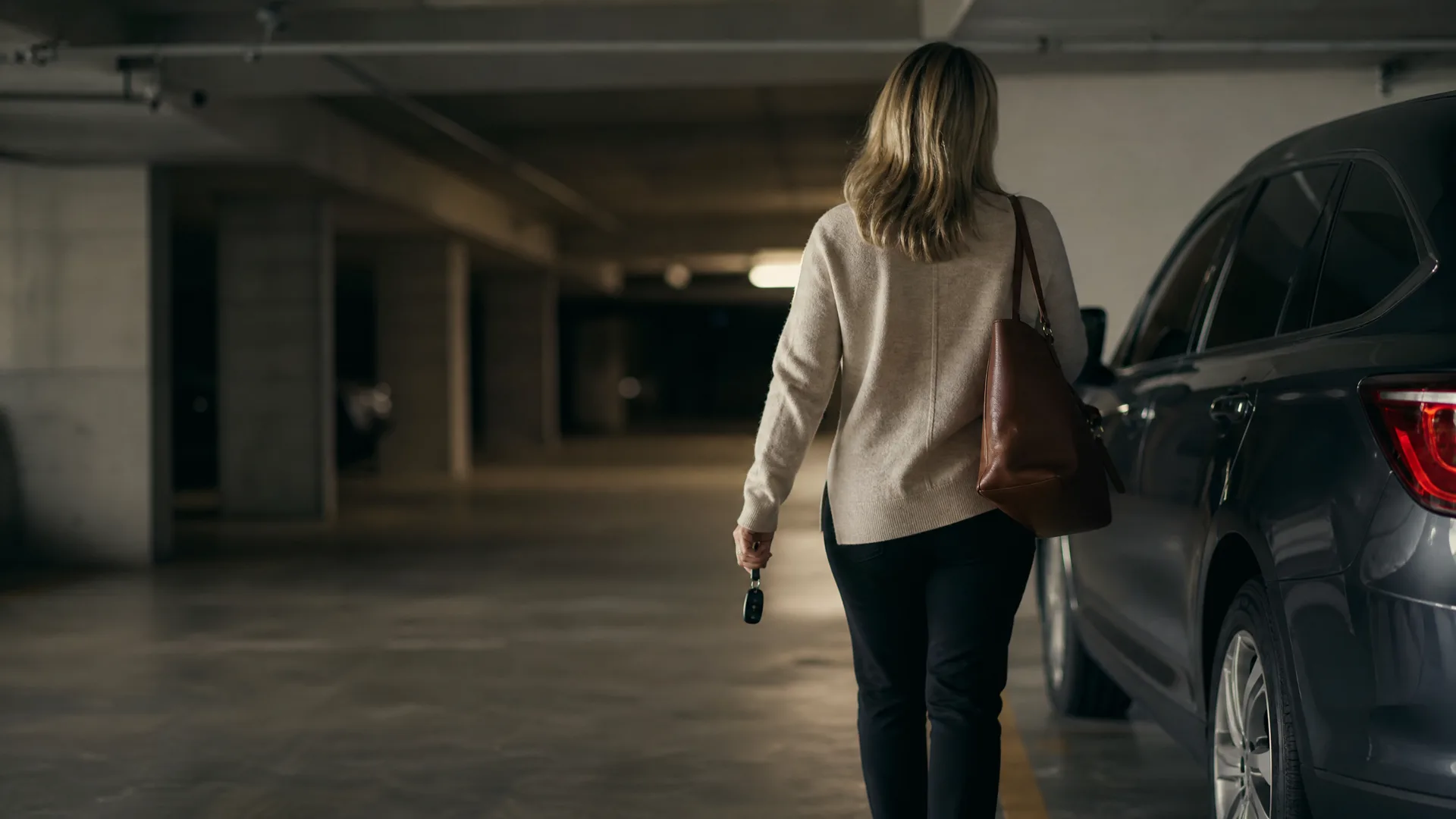
When you buy a new car and add it to your existing Washington policy mid-term, the carrier re-rates the entire policy immediately. The new vehicle's premium is prorated for the remaining term, but the multi-car discount recalculates across all vehicles on the policy. Your total premium increases, but the per-vehicle cost may drop because the discount now spreads across more cars. The carrier bills you for the prorated difference between your old premium and your new premium, due immediately or added to your next scheduled payment.
Most Washington carriers give you a grace period to report a newly-purchased vehicle, typically 14 to 30 days. The new car is covered under your existing policy during that window, but only if you report it before the grace period ends. If you wait longer than the grace period and then file a claim on the unreported vehicle, the carrier can deny the claim. Reporting the vehicle within the grace period preserves coverage and locks in the multi-car discount from the purchase date.
Compare Carriers That Write Multi-Car Policies in Washington
The multi-car discount is not standardized across carriers. State Farm, Geico, and Progressive each price the discount differently, and the carrier offering the best rate for your first vehicle may not offer the best rate when you add a second or third. Comparing quotes from at least three carriers is the only way to know which policy structure costs less for your household. Request quotes for the same coverage limits and the same vehicles from each carrier, and compare the total annual premium, not the per-vehicle breakdown.
Washington Car Insurance Requirements connects you with carriers writing multi-car policies in Washington. Enter your household's vehicles, drivers, and coverage preferences once, and compare quotes from multiple carriers side by side. The tool shows you which carriers offer the lowest total premium for your specific household, and you can adjust coverage levels to see how the premium changes. Start your comparison now and find the policy that fits your household's vehicles and budget.
How the Same-Policy Requirement Works
When you add a second vehicle to your existing Washington policy, the carrier re-rates the entire policy. Both vehicles receive a discount off their individual base rates, and the combined premium is lower than the sum of two separate policies. The discount applies at the policy level, so every vehicle on the policy benefits. A household with three cars on one policy pays less than the same household with three cars on three separate policies, even when the coverage limits are identical.
The same-policy requirement creates a structural blocker when one household member maintains a separate policy. A car titled to your spouse, adult child, or other household member does not qualify for your multi-car discount if that person carries their own policy. Combining the policies into one shared policy restores the discount, but the combined premium may be higher or lower than the sum of the two separate policies depending on each driver's record, age, and vehicle. Carriers re-rate the entire household when you combine policies, and the result is not always a net savings.
Get Your Free Quote
Get My Washington Car Insurance QuoteFrequently Asked Questions
Does every car on my Washington policy need the same coverage limits?
No. Each vehicle on your Washington multi-car policy can carry different coverage limits, as long as every vehicle meets the state's $25,000/$50,000/$10,000 liability minimums. You can carry full coverage on one car and liability-only on another, and both still qualify for the multi-car discount when they sit on the same policy.
Can I add my adult child's car to my policy to get the multi-car discount?
Yes, if your adult child lives in your household and you list them as a driver on your policy. The car must be titled to someone on the policy or listed as a covered vehicle. If your adult child maintains a separate policy at a different address, their car does not qualify for your multi-car discount.
What happens to my multi-car discount if I sell one of my vehicles?
The multi-car discount recalculates when you remove a vehicle from your Washington policy. If you drop from three cars to two, you still receive the discount, but the total savings decrease because the discount now applies to fewer vehicles. Your carrier re-rates the policy immediately and adjusts your premium for the remaining term.
Do I need to insure a car I rarely drive in Washington?
Yes, if the car is registered in Washington. Every registered vehicle must carry at least the state's minimum liability coverage, even if you drive it only occasionally. You can carry liability-only coverage on a rarely-driven car to lower the premium, and it still qualifies for the multi-car discount when it sits on the same policy as your other vehicles.
How long do I have to add a newly-purchased car to my Washington policy?
Most Washington carriers give you 14 to 30 days to report a newly-purchased vehicle. The new car is covered under your existing policy during that grace period, but you must report it before the window closes. If you wait longer and then file a claim, the carrier can deny coverage on the unreported vehicle.
Can I combine my policy with my spouse's policy after we get married?
Yes. Combining two policies into one shared multi-car policy after marriage usually qualifies both drivers and all vehicles for the multi-car discount. The carrier re-rates the entire household when you combine, and the total premium may be higher or lower than the sum of the two separate policies depending on each driver's record and vehicle.
Does the multi-car discount apply if my cars are garaged at different addresses?
It depends on the carrier. Some Washington carriers require all vehicles on a multi-car policy to be garaged at the same address; others allow different garaging addresses as long as every vehicle sits on the same policy. Check with your carrier before adding a vehicle garaged at a second address.