
Medical Payments Coverage — Washington
Free to compare
What Medical Payments Coverage Does in Washington
Medical payments coverage pays medical bills for you and your passengers after an accident, regardless of who caused the crash. Washington does not require personal injury protection (PIP), so medical payments coverage is the optional product that covers your own medical expenses when liability insurance alone won't. Liability coverage pays for injuries you cause to others; medical payments coverage pays for injuries you and your passengers sustain.
The structural question for households insuring multiple vehicles: do you need medical payments coverage when you already carry health insurance? The answer depends on whether every driver on your policy has health coverage that applies immediately after an accident, and whether you want to avoid out-of-pocket costs before health insurance deductibles kick in.
“Medical payments coverage follows the vehicle, not the driver — each vehicle's coverage applies only to that vehicle.”

Check Your Rate Against Other Washington Drivers
Get My Washington Car Insurance Quote$25,000 / $50,000
Washington Liability Minimums
Washington requires $25,000 bodily injury per person, $50,000 per accident, and $10,000 property damage. These minimums cover injuries you cause to others, not your own medical bills.
Washington State Department of Licensing
How Medical Payments Coverage Works Across Multiple Vehicles
Medical payments coverage follows the vehicle, not the driver. If someone is injured while riding in or driving that vehicle, the coverage pays up to the limit per person, regardless of fault.
For households with two or more vehicles on one policy, this means you can structure coverage differently across vehicles. A car driven primarily by a household member without health insurance might carry higher medical payments limits, while a vehicle driven by someone with comprehensive health coverage might carry lower limits or none at all.
Medical payments coverage pays quickly. It does not require a fault determination, so bills get paid while liability and health insurance claims are still being processed. This speed matters when a passenger in your vehicle needs immediate care and does not carry their own health insurance.
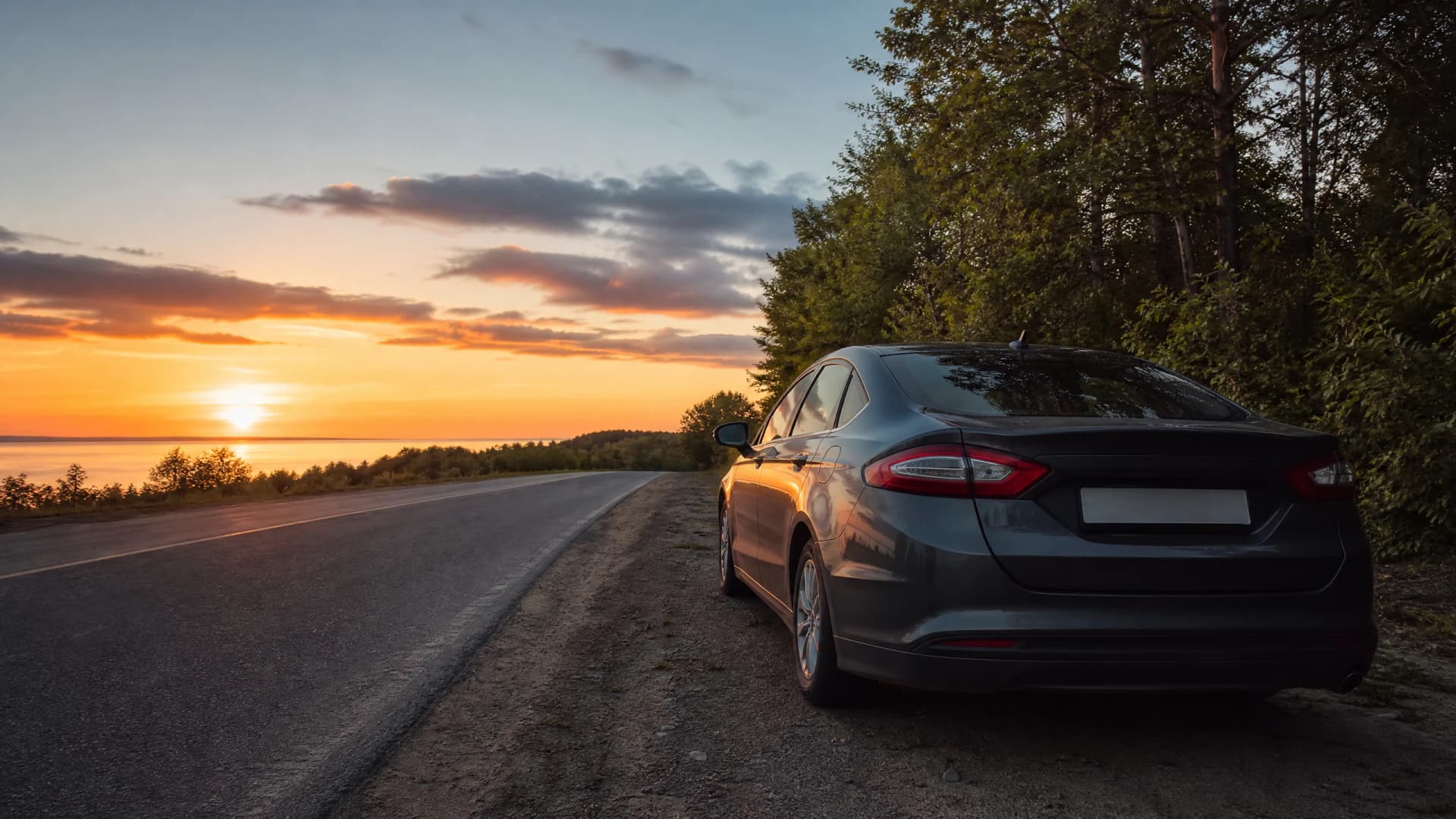
Medical payments coverage on one vehicle does not extend to passengers injured in a different vehicle on the same policy. Each vehicle's coverage applies only to that vehicle.



Structuring Medical Payments Coverage Across Your Household's Vehicles
Start by identifying which drivers and regular passengers on your policy carry health insurance. A household member without health coverage needs higher medical payments limits on the vehicle they drive most often. A household member with comprehensive health insurance and a low deductible may not need medical payments coverage at all.
Next, consider how often you transport non-household passengers. A vehicle used for carpooling, ride-sharing among friends, or transporting elderly relatives who are not on your health insurance policy benefits from medical payments coverage. A vehicle driven solo or only with household members covered by the same health plan does not.
Washington allows you to decline medical payments coverage entirely. If every driver on your policy carries health insurance with reasonable deductibles, and you rarely transport passengers outside your household, you can structure your multi-vehicle policy without it. Carriers writing in Washington — including State Farm, GEICO, Progressive, Allstate, and Farmers — allow per-vehicle customization of medical payments limits.
19.1%
Washington Uninsured Motorist Rate
Nearly one in five Washington drivers carries no insurance. When an uninsured driver injures you, medical payments coverage pays your bills immediately while you pursue the at-fault driver's assets.
Insurance Research Council, 2023
Medical Payments Coverage and Uninsured Motorist Scenarios
Medical payments coverage pays regardless of fault, including when an uninsured driver causes the accident. Washington does not require uninsured motorist coverage, so if you decline both uninsured motorist coverage and medical payments coverage, an accident caused by an uninsured driver leaves you relying entirely on your health insurance. Medical payments coverage closes that gap by paying your medical bills up to the policy limit while you pursue recovery from the at-fault driver.
For households insuring multiple vehicles, this creates a structural decision: carry medical payments coverage on every vehicle, or carry uninsured motorist coverage at the policy level and skip medical payments. Uninsured motorist coverage pays for injuries caused by uninsured or underinsured drivers, but it requires proving the other driver was at fault. Medical payments coverage pays immediately, with no fault determination required. The combination of both provides the most complete protection, but also increases the total premium across all vehicles on the policy.
Compare Carriers and Structure Your Household's Coverage
Medical payments coverage is optional in Washington, and the decision to carry it depends on your household's health insurance situation, the number of non-household passengers you transport, and whether you carry uninsured motorist coverage. Households with comprehensive health insurance and low deductibles can often skip it. Households with high-deductible health plans, drivers without health coverage, or frequent non-household passengers benefit from adding it to at least some vehicles on the policy.
Compare how carriers structure medical payments coverage across multi-vehicle policies. Some allow different limits per vehicle; others require the same limit across all vehicles. Get quotes that reflect your household's actual coverage structure — the vehicle driven by a household member without health insurance should carry higher limits than a vehicle driven by someone with comprehensive health coverage. Use the comparison tool to see how medical payments coverage affects your total premium across all vehicles.
When Medical Payments Coverage Fills the Gap
Health insurance typically covers the policyholder and dependents, but it may not cover passengers who are not family members. If you regularly transport coworkers, friends, or other non-household passengers, medical payments coverage pays their medical bills when your liability coverage does not apply because you were not at fault. Without it, an injured passenger must file a claim against the at-fault driver's liability insurance, a process that can take months.
Medical payments coverage also covers you and household members when health insurance deductibles are high. Medical payments coverage pays those bills immediately, up to the policy limit, without waiting for fault determination or health insurance processing. For households managing multiple vehicles and multiple drivers, this avoids the scenario where one accident drains savings before health insurance begins paying.
Get Your Free Quote
Get My Washington Car Insurance QuoteFrequently Asked Questions
Does medical payments coverage apply to all vehicles on a multi-car policy?
No. Medical payments coverage is added per vehicle, and each vehicle's coverage applies only to injuries sustained in that specific vehicle. You can choose different limits for each vehicle on your policy, or add coverage to some vehicles and not others.
Can I skip medical payments coverage if I have health insurance?
Yes. Washington does not require medical payments coverage. If every driver and regular passenger on your policy carries health insurance with reasonable deductibles, you can decline it. Medical payments coverage becomes useful when health insurance deductibles are high or when you transport passengers without health coverage.
Does medical payments coverage pay if I am at fault for the accident?
Yes. Medical payments coverage pays your medical bills and those of your passengers regardless of who caused the accident. It does not require a fault determination, so bills get paid immediately.
What is the difference between medical payments coverage and uninsured motorist coverage?
Medical payments coverage pays your medical bills regardless of fault, up to the policy limit per person. Uninsured motorist coverage pays for injuries caused by an uninsured or underinsured driver, but only after proving the other driver was at fault. Medical payments coverage pays faster but covers a narrower set of damages.
Do I need medical payments coverage on every vehicle in my household?
No. You can structure coverage differently across vehicles. A vehicle driven by someone without health insurance benefits from higher medical payments limits. A vehicle driven by someone with comprehensive health coverage may not need it at all.
Does medical payments coverage cover passengers who are not family members?
Yes. Medical payments coverage pays medical bills for any passenger injured in the covered vehicle, regardless of their relationship to you. This makes it useful when you regularly transport coworkers, friends, or other non-household passengers.