
Personal Injury Protection Coverage — Washington
Free to compare
What Brings Households to This Question
You're reviewing your Washington auto policy — maybe adding a second or third vehicle, maybe combining policies after a move — and Personal Injury Protection appears as an optional line item. The state requires $25,000 per person and $50,000 per accident in bodily injury liability, plus $10,000 in property damage liability, but PIP isn't on that mandatory list. You need to know what PIP actually covers, whether it applies to every vehicle on your policy, and whether the optional layer makes sense when you're insuring multiple cars.
Washington is a fault state with no PIP mandate. That means you can legally register and drive without PIP coverage, but carriers must offer it as an option. The decision matters more for multi-vehicle households because PIP operates differently than liability: it pays your own medical bills and lost income regardless of who caused the accident, and the coverage follows the policy rather than attaching to individual vehicles. Understanding what PIP covers and how it works across your household's cars shapes whether the optional layer is worth the added premium.
“PIP follows the policy, not individual vehicles — one election covers every car and every driver on the policy.”

Check Your Rate Against Other Washington Drivers
Get My Washington Car Insurance Quote$25,000 / $50,000 / $10,000
Washington Minimum Liability
Washington requires $25,000 bodily injury per person, $50,000 per accident, and $10,000 property damage. PIP is optional — the state does not mandate it, but carriers must offer it when you purchase a policy.
Washington State Office of the Insurance Commissioner
What Personal Injury Protection Pays For
PIP covers medical expenses, lost wages, funeral costs, and certain other economic losses after an accident, regardless of who was at fault. If you're injured in a collision — whether you caused it, another driver caused it, or no other vehicle was involved — PIP pays your medical bills up to the policy limit without requiring you to file a claim against the at-fault driver's liability coverage first. This no-fault structure means you receive payment faster, because you're not waiting for the other driver's carrier to investigate liability or for a settlement negotiation to resolve.
PIP also covers lost income if your injuries prevent you from working. The coverage typically reimburses a percentage of your usual wages for the time you're unable to work, subject to the policy's per-week cap and overall limit. Funeral and burial expenses fall under PIP as well, along with certain household services you cannot perform due to injury — childcare, housekeeping, lawn maintenance — when those services become necessary because of the accident. The exact scope varies by policy, but the core function remains consistent: PIP pays your own economic losses quickly, without fault determination, up to the limit you select.
PIP does not cover pain and suffering, vehicle damage, or liability for injuries you cause to others. Those categories fall under collision coverage, property damage liability, and bodily injury liability respectively. PIP is strictly a first-party medical and wage-loss layer. It pays you and your passengers; it does not pay the other driver or their passengers.
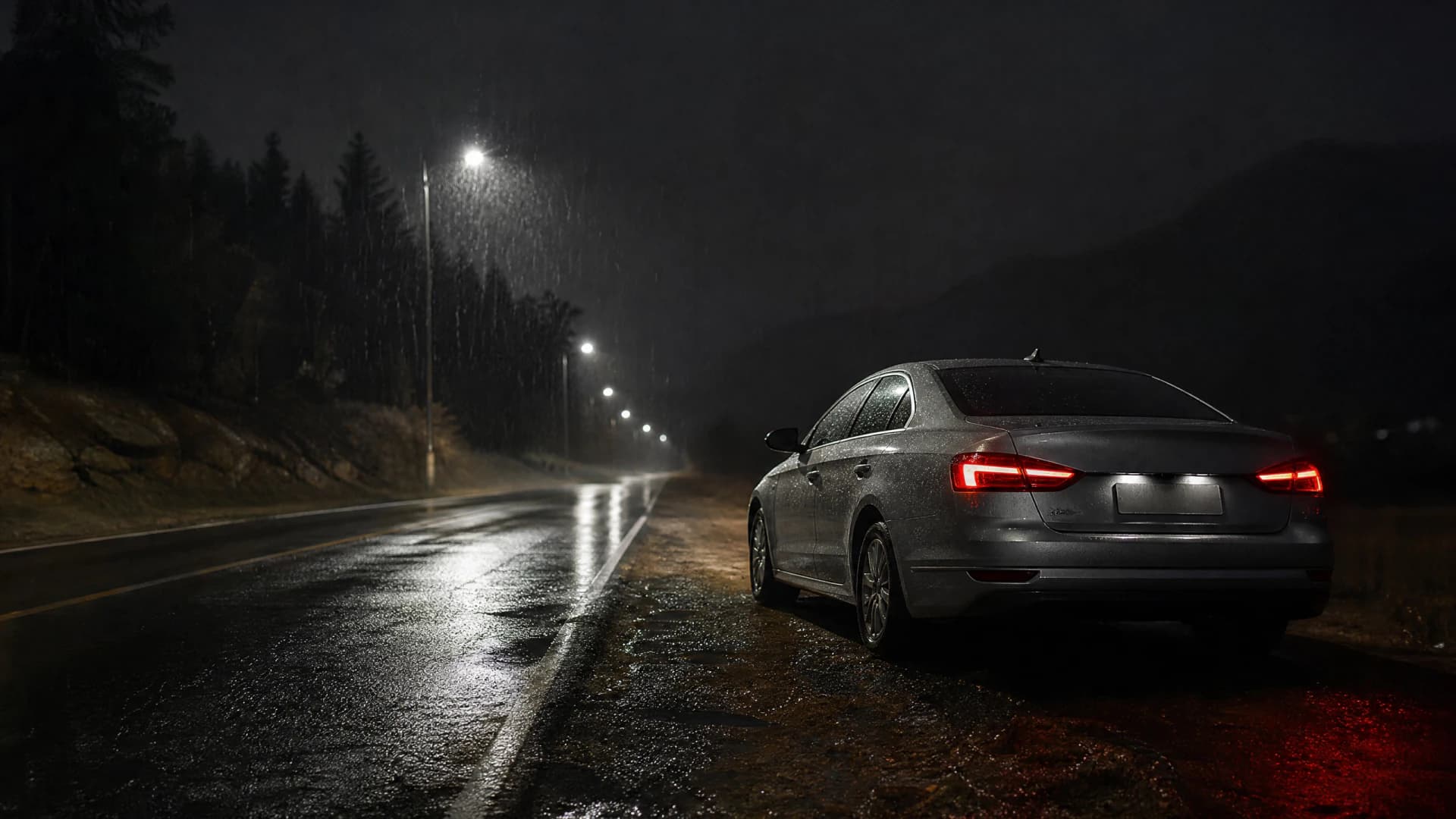
PIP follows the policy, not individual vehicles. When you add a second or third car, the same PIP election covers every vehicle on the policy unless you explicitly adjust it.
Related Articles
Washington Car Insurance Requirements
7/15/2026
Does Washington Require PIP Coverage
7/15/2026
Medical Payments Coverage in Washington
7/15/2026
Washington Minimum Car Insurance Requirements
7/15/2026
Washington Car Insurance Laws for Multi-Car Households
7/15/2026

Washington Car Insurance Requirements
7/15/2026
When PIP Makes Sense for Multi-Vehicle Households
PIP fits households where medical bills after an accident would strain finances or where health insurance carries high deductibles. This layering prevents out-of-pocket medical costs from accumulating while you wait for the at-fault driver's liability carrier to settle. The faster payment timeline matters more when multiple drivers share the policy, because the risk of an accident scales with the number of people driving the household's vehicles.
PIP also matters for households where lost income would create immediate financial pressure. If one or more household members work hourly jobs or contract roles without paid sick leave, PIP's wage-loss reimbursement covers the income gap while injuries heal. The coverage does not replace your full salary in most cases — policies cap weekly reimbursement and total duration — but it provides a buffer that liability coverage alone does not. Households with two or more earners driving separate vehicles on the same policy benefit from this buffer because an accident affecting either driver triggers the same PIP limit.
Households that carry strong health insurance with low deductibles and robust accident coverage may find PIP redundant. If your health plan pays medical bills quickly with minimal out-of-pocket cost, and if your employer provides short-term disability or paid leave, PIP adds a layer you may not use. The decision hinges on whether the premium for optional PIP justifies the faster payment and no-fault structure, or whether your existing health and disability coverage already handles the same economic losses PIP would pay.
19.1%
Washington Uninsured Motorist Rate
Nearly one in five Washington drivers carries no insurance. When an uninsured driver causes an accident, PIP pays your medical bills and lost wages immediately, without waiting for the at-fault driver to pay out of pocket.
Insurance Research Council, 2023
How PIP Interacts with Uninsured Motorist Coverage
Washington does not mandate uninsured motorist coverage, but carriers must offer it. When you carry both PIP and uninsured motorist bodily injury coverage, PIP pays first. If an uninsured driver causes an accident and your medical bills exceed your PIP limit, uninsured motorist coverage pays the remaining amount up to its own limit. This stacking structure prevents gaps, but it also means that households electing both coverages pay two separate premiums for overlapping protection. The redundancy makes sense when the uninsured motorist rate is high — Washington's 19.1% uninsured rate means roughly one in five drivers on the road carries no liability coverage — but households on tight budgets may choose one or the other rather than both.
PIP pays regardless of fault, so it covers your bills even when you cause the accident. Uninsured motorist coverage only pays when another driver is at fault and lacks insurance. If you're comparing the two, PIP provides broader protection because it eliminates the fault requirement. Uninsured motorist coverage provides higher limits for less premium in most cases, because it only pays when specific conditions align. Households insuring multiple vehicles often elect both to cover all scenarios, but the decision depends on budget and risk tolerance.
Compare Carriers That Write Multi-Vehicle Policies in Washington
PIP premiums vary by carrier, and the variation widens when you're insuring two or more vehicles. Some carriers price PIP as a flat per-policy charge; others scale the premium based on the number of listed vehicles and drivers. Comparing quotes from multiple carriers shows you which pricing model works better for your household's structure. Carriers writing multi-vehicle policies in Washington include State Farm, GEICO, Progressive, Allstate, Farmers, USAA, Liberty Mutual, Travelers, American Family, Nationwide, and others. Not every carrier offers the same PIP limits or the same optional riders — some allow you to add coverage for services like childcare or transportation to medical appointments, while others keep PIP strictly medical and wage-focused.
When you request quotes, specify the number of vehicles, the number of drivers, and whether you want PIP included. Ask each carrier how PIP applies when you add a vehicle mid-term, and confirm whether the PIP limit is per accident or per person. These details shape the actual coverage you receive and the premium you pay. Households combining policies or adding a third or fourth vehicle should re-quote with PIP both included and excluded to see the cost difference, because the optional layer's value depends on how much it adds to your total premium and whether that amount justifies the faster payment and no-fault structure PIP provides.
How PIP Works Across Multiple Vehicles
PIP is a policy-level coverage. When you elect PIP on a Washington auto policy, that election applies to every vehicle listed on the policy and every driver covered by the policy. If you own three cars and all three sit on one policy with PIP, an accident involving any of those three vehicles triggers the same PIP limit. You do not purchase separate PIP limits per vehicle, and you do not pay three separate PIP premiums — the single PIP election covers the entire policy. This structure simplifies coverage but also means the limit you select must account for potential claims across all household drivers and all listed vehicles.
The policy-level structure also means that when you add a vehicle mid-term, your existing PIP election extends to the newly-added car automatically. You do not need to request PIP for the new vehicle separately. Conversely, if you drop PIP from the policy, that change removes PIP from every vehicle on the policy at once. Households combining two separate policies after marriage or a move should confirm whether both prior policies carried PIP and whether the combined policy's PIP election matches the higher of the two prior limits, because merging policies sometimes defaults to the lower limit unless you specify otherwise.
Get Your Free Quote
Get My Washington Car Insurance QuoteFrequently Asked Questions
Does PIP cover passengers in my vehicle?
Yes. PIP covers you, household members listed on the policy, and passengers in your vehicle at the time of the accident. Each person's medical bills and lost wages are paid up to the policy's PIP limit, regardless of who was driving or who caused the accident.
Can I use PIP if I cause the accident?
Yes. PIP is no-fault coverage, so it pays your medical expenses and lost income even when you are at fault. Liability coverage pays the other driver's bills; PIP pays yours.
Does adding a second vehicle to my policy increase my PIP premium?
It depends on the carrier. Some carriers charge PIP as a flat per-policy amount, so adding a vehicle does not change the PIP premium. Others scale PIP based on the number of vehicles or drivers, which increases the premium when you add a car. Compare quotes to see how each carrier prices PIP for multi-vehicle households.
What happens if my PIP limit is lower than my medical bills?
PIP pays up to its limit, then stops. If your bills exceed the PIP limit, your health insurance pays the remaining amount, or you file a claim against the at-fault driver's bodily injury liability coverage if another driver caused the accident. Uninsured motorist coverage also pays remaining bills when an uninsured driver is at fault.
Do I need PIP if I already have health insurance?
Not necessarily. PIP pays faster and covers lost wages, but if your health insurance has a low deductible and your employer provides paid leave, PIP may be redundant. Households with high-deductible health plans or limited sick leave benefit more from PIP's immediate payment structure.