
When to Drop Full Coverage — Washington
Free to compare
The Full Coverage Decision Point
You're insuring two or three vehicles in Washington, and at least one of them has crossed into the territory where full coverage feels expensive relative to what the car is worth. The vehicle still runs. You still drive it. But the collision and comprehensive premiums you're paying every six months are starting to look like a poor bet against the actual cash value the insurer would pay if the car were totaled.
The question isn't whether full coverage is good or bad. The question is whether the coverage still makes financial sense for this specific vehicle at this specific point in its depreciation curve. Washington requires liability coverage on every registered vehicle—$25,000 per person, $50,000 per accident for bodily injury, and $10,000 for property damage—but collision and comprehensive are optional. You can drop them whenever the math stops working. The structural reality: once your vehicle's actual cash value falls below a threshold where a total-loss payout minus your deductible would be less than what you could self-fund, you're paying for coverage that delivers diminishing returns.
“Once your vehicle's value minus your deductible falls below two years of premiums, you're paying more for coverage than a claim would return.”

Check Your Rate Against Other Washington Drivers
Get My Washington Car Insurance Quote$1,114.47
Washington Average Annual Auto Expenditure Per Vehicle
Washington drivers spent an average of $1,114.47 per insured vehicle in 2023, according to NAIC data. That figure includes liability, collision, comprehensive, and optional coverages.
NAIC Auto Insurance Database Report 2023
What Full Coverage Actually Pays
Full coverage is shorthand for a policy that includes collision and comprehensive on top of the state-required liability minimums. Collision covers damage to your vehicle when you hit another car or object, or when another driver hits you and is uninsured or underinsured. Comprehensive covers theft, vandalism, weather damage, animal strikes, and other non-collision events. Both coverages pay the vehicle's actual cash value at the time of the loss, minus your deductible.
Actual cash value is not what you paid for the car. It's not what a replacement would cost. It's the depreciated market value the insurer assigns based on age, mileage, condition, and local market data. After 2.5 years of premiums with no claim, you've paid more than the coverage would ever return.
The deductible is the second structural constraint. The lower the vehicle's value, the larger the deductible becomes as a percentage of the insured amount, and the smaller the net payout becomes relative to the premium you're paying.
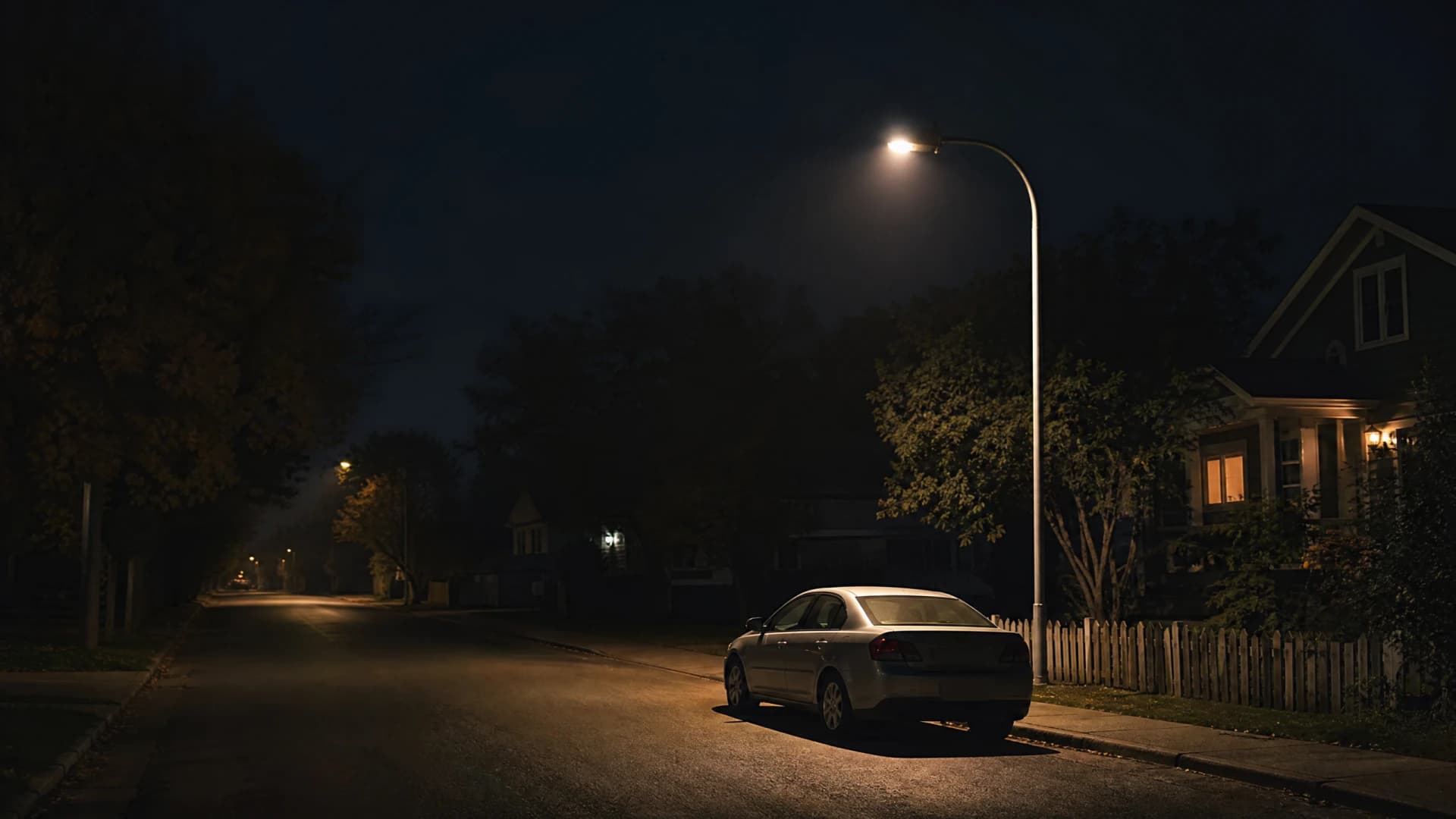
Once your vehicle's value minus your deductible falls below two years of collision and comprehensive premiums, you're paying more for the coverage than a total-loss claim would return.
Related Articles
Best Car Insurance for Multiple Cars in WA
7/15/2026

Full Coverage Car Insurance in Washington
7/15/2026
Liability vs Full Coverage in Washington
7/15/2026

Minimum vs Full Coverage for Multiple Cars WA
7/15/2026

Comprehensive Coverage for Multiple Cars WA
7/15/2026

Full Coverage Companies Washington Multi-Car
7/15/2026

How Dropping Coverage Changes Your Policy
Dropping collision and comprehensive mid-term triggers a policy re-rate. The carrier recalculates your premium for the remainder of the term and issues a refund for the unused portion of the collision and comprehensive premiums you already paid. The refund is prorated: if you're three months into a six-month term and you drop full coverage, you get roughly half of the collision and comprehensive premium back. The liability portion of your premium stays unchanged, because Washington still requires you to carry the state minimums on every registered vehicle.
If you insure multiple vehicles on one policy, dropping full coverage on one car does not affect the others. Each vehicle is rated separately for collision and comprehensive. The multi-car discount applies to the policy as a whole, not to individual coverages, so dropping full coverage on one vehicle does not reduce the discount. Your liability premium for the vehicle with dropped coverage remains on the policy, and the other vehicles continue to carry whatever coverages you selected for them.
Some lienholders require collision and comprehensive as a condition of the loan or lease. If you still owe money on the vehicle, check your financing agreement before dropping coverage. Most lenders require full coverage until the loan is paid off. If you drop it without lender permission, the lender can force-place coverage at a much higher cost and add it to your loan balance. Once the vehicle is paid off, the lender has no say in your coverage decisions.
19.1%
Washington Uninsured Motorist Rate
Nearly one in five Washington drivers is uninsured, according to 2023 data. That rate matters when you drop collision, because collision covers damage from an at-fault uninsured driver when your uninsured motorist property damage coverage does not. Without collision, you're relying on the other driver's insurance or your own ability to absorb the loss.
Insurance Research Council 2023

What You're Self-Funding After You Drop Coverage
Dropping collision means you're self-funding repairs or replacement if you cause an accident, if an uninsured driver hits you, or if you're in a single-vehicle crash. Dropping comprehensive means you're self-funding theft, vandalism, hail damage, animal strikes, and other non-collision losses. The financial exposure is capped at the vehicle's value: the most you can lose is the cost of replacing the car. If it's repairable, you're out the cost of the repair up to the vehicle's value.
The risk calculation depends on your ability to replace the vehicle out-of-pocket and the likelihood of a total loss. Washington's high uninsured motorist rate—19.1% as of 2023—adds weight to the collision decision, because nearly one in five drivers you encounter will not have insurance to cover the damage they cause to your car.
Compare Carriers Before You Drop
Before you drop collision and comprehensive, compare what other carriers would charge for the same coverage on the same vehicle. Collision and comprehensive premiums vary widely by carrier, and a carrier that prices your liability coverage competitively may overprice your full coverage, or vice versa.
Washington has a competitive auto insurance market. Carriers writing in the state include State Farm, GEICO, Progressive, Allstate, USAA, Farmers, Travelers, Liberty Mutual, American Family, and Nationwide, among others. Each prices collision and comprehensive differently based on vehicle age, driver profile, garaging location, and claims history. A multi-vehicle household has additional leverage: some carriers offer deeper multi-car discounts than others, and moving all your vehicles to a carrier that prices full coverage more competitively can save more than dropping coverage on one car. Request quotes with and without collision and comprehensive on the aging vehicle, and compare the annual cost difference against the vehicle's net insurable value.

Make the Decision Vehicle by Vehicle
If you insure multiple vehicles, evaluate each one separately. The sedan may have crossed the threshold where dropping collision and comprehensive makes sense; the SUV has not. Run the math for each vehicle: current value, deductible, annual collision and comprehensive premium, and your ability to self-fund a loss. The decision is independent for each car.
Check your current policy declaration page to see the per-vehicle breakdown of collision and comprehensive premiums. Then get a current market value estimate for each vehicle. Subtract the deductible. Compare the net insurable value to two or three years of premiums for that vehicle. If the net value is lower, dropping coverage on that vehicle is the rational financial decision. If the net value is higher, keep the coverage or shop for a lower premium. The threshold is not a rule—it's a framework. Your risk tolerance, your savings cushion, and the vehicle's role in your household all factor into the final call. Compare carriers that write Washington policies, isolate the collision and comprehensive cost per vehicle, and make the decision that fits your household's financial position.
The Vehicle Value Threshold
Start by determining your vehicle's current actual cash value. Use Kelley Blue Book, NADA Guides, or Edmunds to get a market-based estimate for your car's year, make, model, mileage, and condition. Then look at your current policy declaration page and isolate the six-month premium for collision and comprehensive only—exclude liability, uninsured motorist, and any other coverages. Multiply that figure by two to get the annual cost of full coverage on this vehicle. Subtract your deductible from the vehicle's value. That net figure is the maximum amount a total-loss claim would pay you.
If the net payout is less than two years of collision and comprehensive premiums, the coverage is delivering poor value. If it's less than one year of premiums, you're almost certainly overpaying. The math gets worse every year as the vehicle depreciates and the premium stays flat or rises.
Get Your Free Quote
Get My Washington Car Insurance QuoteFrequently Asked Questions
What is the rule of thumb for dropping full coverage on a car?
Drop collision and comprehensive when your vehicle's actual cash value minus your deductible is less than two to three years of the annual cost of those coverages. If a total-loss claim would pay you less than you'll spend on premiums over that period, the coverage delivers poor value.
Does dropping full coverage on one car affect my multi-car discount in Washington?
No. The multi-car discount applies to the policy as a whole, not to individual coverages. Dropping collision and comprehensive on one vehicle reduces that vehicle's premium but does not change the discount structure or the premiums on your other vehicles.
Can I drop collision but keep comprehensive on an older vehicle?
Yes. Collision and comprehensive are separate coverages. You can drop one and keep the other. Many drivers drop collision first, because comprehensive is cheaper and covers theft, vandalism, and weather damage—risks that don't depend on the vehicle's age.
Will my insurance company refund me if I drop full coverage mid-term?
Yes. The carrier recalculates your premium for the remainder of the term and refunds the unused portion of your collision and comprehensive premiums on a prorated basis. The refund typically appears within two billing cycles.
Do I still need liability insurance in Washington if I drop full coverage?
Yes. Washington requires liability coverage on every registered vehicle: $25,000 per person and $50,000 per accident for bodily injury, and $10,000 for property damage. Dropping collision and comprehensive does not change your liability requirement.
What happens if an uninsured driver totals my car after I drop collision?
You absorb the loss. Collision covers damage caused by an at-fault uninsured driver when uninsured motorist property damage does not. Without collision, you're relying on the other driver's insurance or your own ability to replace the vehicle. Washington's uninsured motorist rate is 19.1%, so the risk is material.
Can I drop full coverage if I still owe money on the car?
Not without lender permission. Most auto loans and leases require collision and comprehensive until the balance is paid off. If you drop coverage without permission, the lender can force-place it at a higher cost and add it to your loan. Check your financing agreement before making changes.