
No-Fault Car Insurance Status — Washington
Free to compare
Washington Uses a Tort System
Washington is not a no-fault state. It operates under a tort-based liability system, which means the driver who causes an accident is financially responsible for the other party's damages. If you cause a collision, your liability coverage pays for the other driver's medical bills, lost wages, and vehicle repairs. If someone else causes the accident, their liability coverage pays for your damages.
This distinction matters when you insure multiple vehicles on one policy. In a no-fault state, each driver's own Personal Injury Protection (PIP) coverage pays their medical expenses regardless of fault, and injury lawsuits face statutory thresholds. Washington does not require PIP. Instead, every claim triggers a fault determination, and the at-fault driver's liability limits apply across all vehicles on the policy. One serious at-fault accident can exhaust your per-accident bodily injury limit and re-rate every car you insure.
“One at-fault accident on any vehicle exhausts your per-accident liability limits and re-rates every car on your policy.”
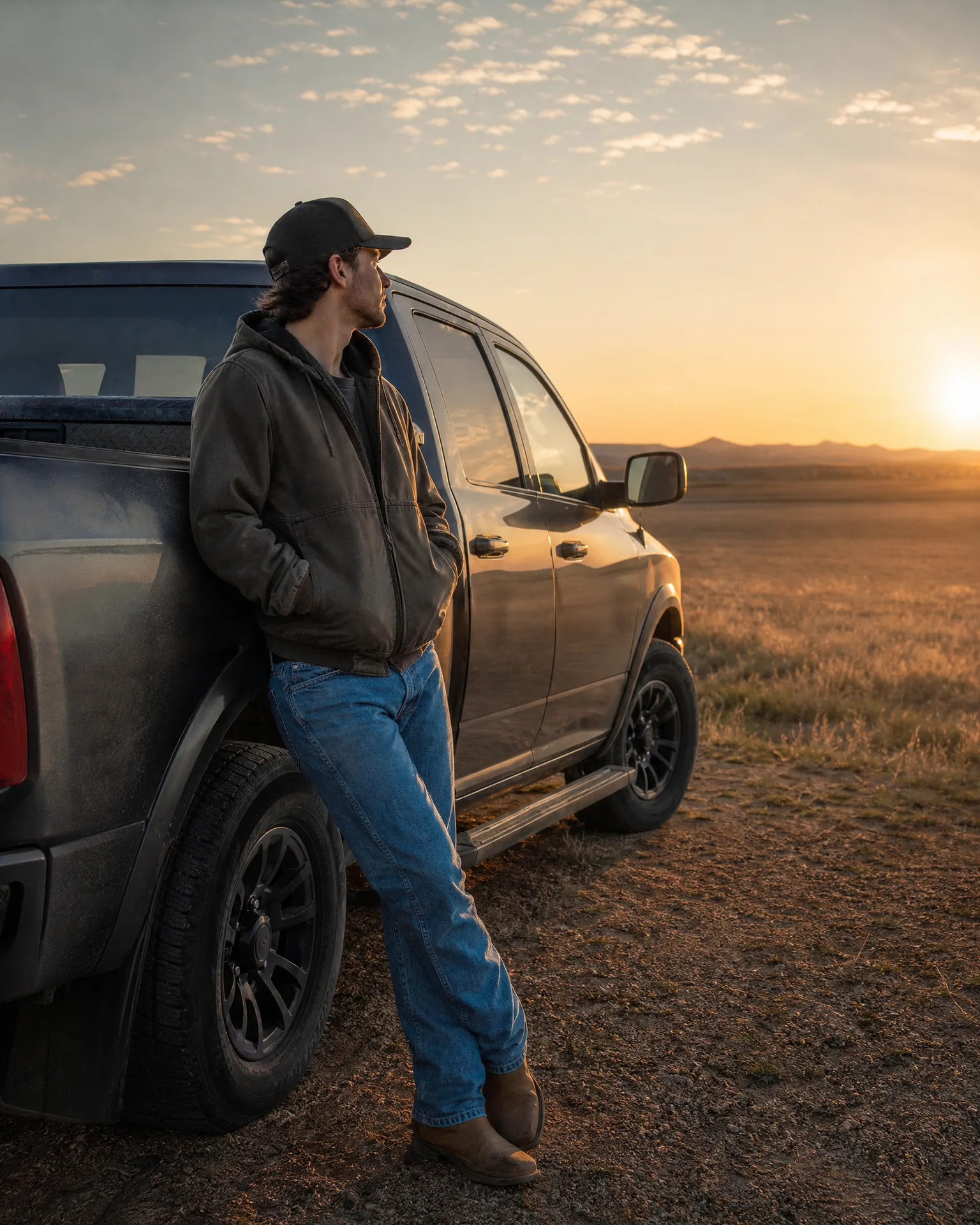
Check Your Rate Against Other Washington Drivers
Get My Washington Car Insurance Quote$25,000 / $50,000 / $10,000
Washington Minimum Liability Limits
Washington requires $25,000 bodily injury per person, $50,000 bodily injury per accident, and $10,000 property damage. These minimums apply to every vehicle on your policy, but the per-accident caps do not multiply when you add cars—one accident can involve multiple vehicles you own.
Washington State Department of Licensing
How Tort Liability Works Across Multiple Vehicles
When you insure two or more cars on one policy, all vehicles share the same liability limits. Your $50,000 per-accident bodily injury cap applies to any single accident, regardless of how many cars you own. If you cause a three-car collision and injure four people, your policy pays up to $25,000 per injured person and $50,000 total for all bodily injuries in that one accident. The property damage limit works the same way: $10,000 total per accident, not per vehicle damaged.
This shared-limit structure creates exposure when you own multiple vehicles. A household with three cars on one policy does not get triple the liability protection. Each car can cause an accident, but each accident draws from the same per-accident caps. If your teenager drives one of your cars and causes a serious injury collision, the claim exhausts the same $50,000 bodily injury limit that protects you when you drive your own vehicle.
Adding vehicles to your policy does not increase your liability limits automatically. Some carriers offer higher limits as standard on multi-car policies, but most require you to purchase increased limits separately. If you carry only state minimums across three vehicles, you face the same $50,000 per-accident cap whether one car or all three are on the road.
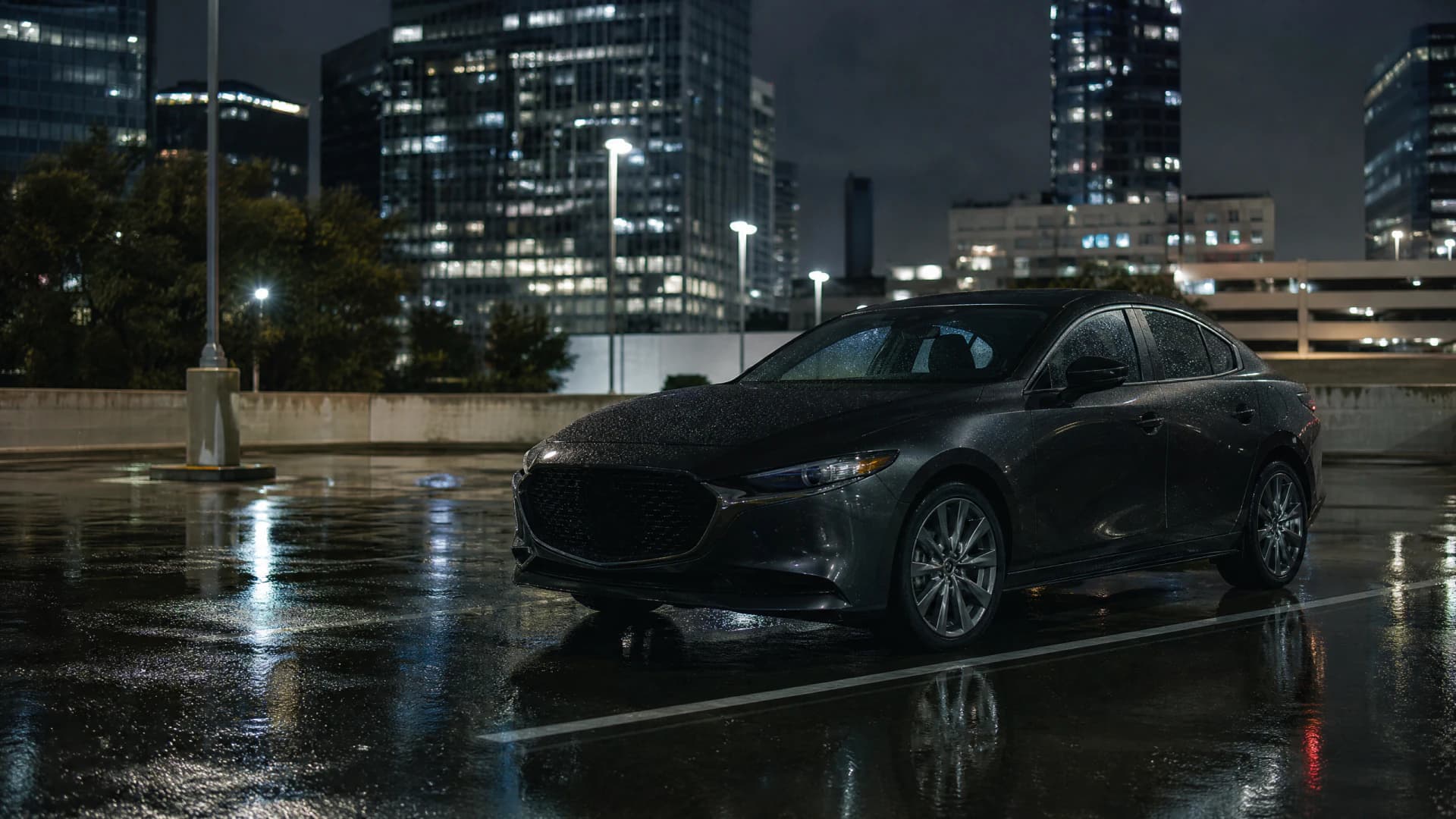
One at-fault accident on any vehicle you own can exhaust your per-accident liability limits and trigger a premium increase across every car on your policy.
Related Articles

Why Washington Does Not Require PIP
No-fault states require Personal Injury Protection (PIP) coverage, which pays your own medical expenses after an accident regardless of who caused it. Washington does not mandate PIP. You can purchase it as an optional coverage, but most drivers rely on health insurance to cover their medical bills and pursue the at-fault driver's liability coverage for expenses their health plan does not pay.
This creates a different claim dynamic when you insure multiple vehicles. In a no-fault state, each driver on your policy would use their own PIP coverage for medical expenses, and fault matters only when damages exceed the state's lawsuit threshold. In Washington, every injury claim requires a fault determination. If your spouse causes an accident while driving one of your cars, the other driver's medical expenses come out of your shared liability limits. If you cause an accident, your own medical bills go through your health insurance first, then you pursue the other driver's liability coverage if they share fault.
Optional PIP in Washington works differently than mandatory PIP in no-fault states. Washington PIP pays only after you exhaust your health insurance deductible, and it does not restrict your right to sue the at-fault driver. It functions as a gap-filler, not a primary payer. Most multi-car households skip it and rely on health coverage plus higher liability limits to manage accident costs.
19.1%
Uninsured Motorist Rate in Washington
Nearly one in five Washington drivers carries no insurance. When an uninsured driver causes an accident, your own Uninsured Motorist (UM) coverage pays for your damages. UM is optional in Washington, but it protects every vehicle and driver on your policy when the at-fault party cannot pay.
Insurance Research Council, 2023

Uninsured Motorist Coverage Across Multiple Vehicles
Washington does not require Uninsured Motorist (UM) or Underinsured Motorist (UIM) coverage, but nearly 20% of drivers on the road carry no insurance. When an uninsured driver causes an accident, you cannot collect from their liability coverage because they have none. Your own UM coverage steps in to pay for your medical expenses, lost wages, and vehicle damage up to your UM limits.
UM coverage applies to every vehicle and every driver on your policy. The per-accident cap works the same way as liability: one accident, one set of limits, regardless of how many cars you own. UM does not multiply by vehicle count.
Compare Carriers That Write Multi-Vehicle Policies in Washington
Washington tort liability and high uninsured-motorist rates make higher liability limits and UM coverage worth comparing when you insure multiple vehicles. Carriers price multi-car policies differently: some offer lower per-vehicle rates when you add a second or third car, others hold base rates flat and apply a multi-car discount to the total premium. The discount structure matters less than the combined premium across all your vehicles and the liability limits you actually carry.
Start by confirming each carrier writes all the vehicles you need to insure. Not every carrier accepts older vehicles, high-mileage cars, or certain makes on a standard policy. Add UM coverage at the same limits as your liability coverage so you are protected whether the other driver carries insurance or not. The quote tool on this site lets you compare carriers licensed in Washington that write multi-vehicle policies and shows you the combined premium across all your cars.
What Happens After an At-Fault Claim
When you cause an accident, the other driver files a claim against your liability coverage. Your insurer investigates fault, evaluates damages, and pays the claim up to your policy limits. If the other party's damages exceed your limits, they can sue you personally for the difference. Washington does not cap pain-and-suffering damages or restrict injury lawsuits the way no-fault states do, so serious injury claims can exceed minimum limits quickly.
After the claim closes, your insurer re-rates your policy at renewal. The premium increase applies to every vehicle on the policy, not just the car involved in the accident. If you insure three vehicles and one causes a claim, all three see the same surcharged rate. The increase typically lasts three to five years, depending on the carrier's rating rules and whether you have accident forgiveness. Households with multiple cars pay the surcharge across a larger premium base, which amplifies the total cost impact.
Get Your Free Quote
Get My Washington Car Insurance QuoteFrequently Asked Questions
Does Washington require no-fault insurance?
No. Washington uses a tort-based liability system where the at-fault driver's insurance pays for the other party's damages. The state does not require Personal Injury Protection (PIP) or restrict injury lawsuits the way no-fault states do.
Do liability limits increase when I add more cars to my policy?
No. Your per-accident liability limits stay the same regardless of how many vehicles you insure. A $50,000 bodily injury per-accident limit applies to any single accident, whether you own one car or five. Adding vehicles does not multiply your coverage caps.
What happens if an uninsured driver hits one of my cars in Washington?
Your own Uninsured Motorist (UM) coverage pays for your damages if you purchased it. Washington does not require UM, but 19.1% of drivers carry no insurance. UM protects every vehicle and driver on your policy when the at-fault party cannot pay.
Does one at-fault accident affect all the cars on my policy?
Yes. An at-fault claim triggers a premium increase at renewal that applies to every vehicle on your policy, not just the car involved in the accident. The surcharge typically lasts three to five years depending on your carrier's rating rules.
Should I buy PIP coverage in Washington if I insure multiple vehicles?
Most multi-car households skip optional PIP and rely on health insurance plus higher liability limits. Washington PIP pays only after you exhaust your health insurance deductible and does not restrict your right to sue the at-fault driver. It functions as a gap-filler, not a primary payer.
How do I compare multi-car insurance rates in Washington?
Add Uninsured Motorist coverage at the same limits as your liability coverage. Compare the combined premium across all your cars, not just the per-vehicle rate.