
Why Car Insurance Is So Expensive — Washington
Free to compare
The Premium Shock Washington Drivers Face
You just moved to Washington, added a second vehicle to your policy, or renewed coverage and saw a jump you didn't expect. The number doesn't match what you paid in your previous state, and you want to know why Washington carriers charge what they do.
The answer sits in two state-specific realities: nearly one in five Washington drivers operates without insurance, and vehicle theft runs at 437.8 incidents per 100,000 residents. Carriers price for the risk pool they insure, and when uninsured motorists and theft rates run this high, every insured driver subsidizes the cost through higher premiums. This article breaks down what you're paying for, what the state requires, and where you can control costs when insuring multiple vehicles.
“Nearly one in five Washington drivers has no insurance, and you're paying for that risk every time you renew.”
Check Your Rate Against Other Washington Drivers
Get My Washington Car Insurance Quote19.1%
Washington Uninsured Motorist Rate
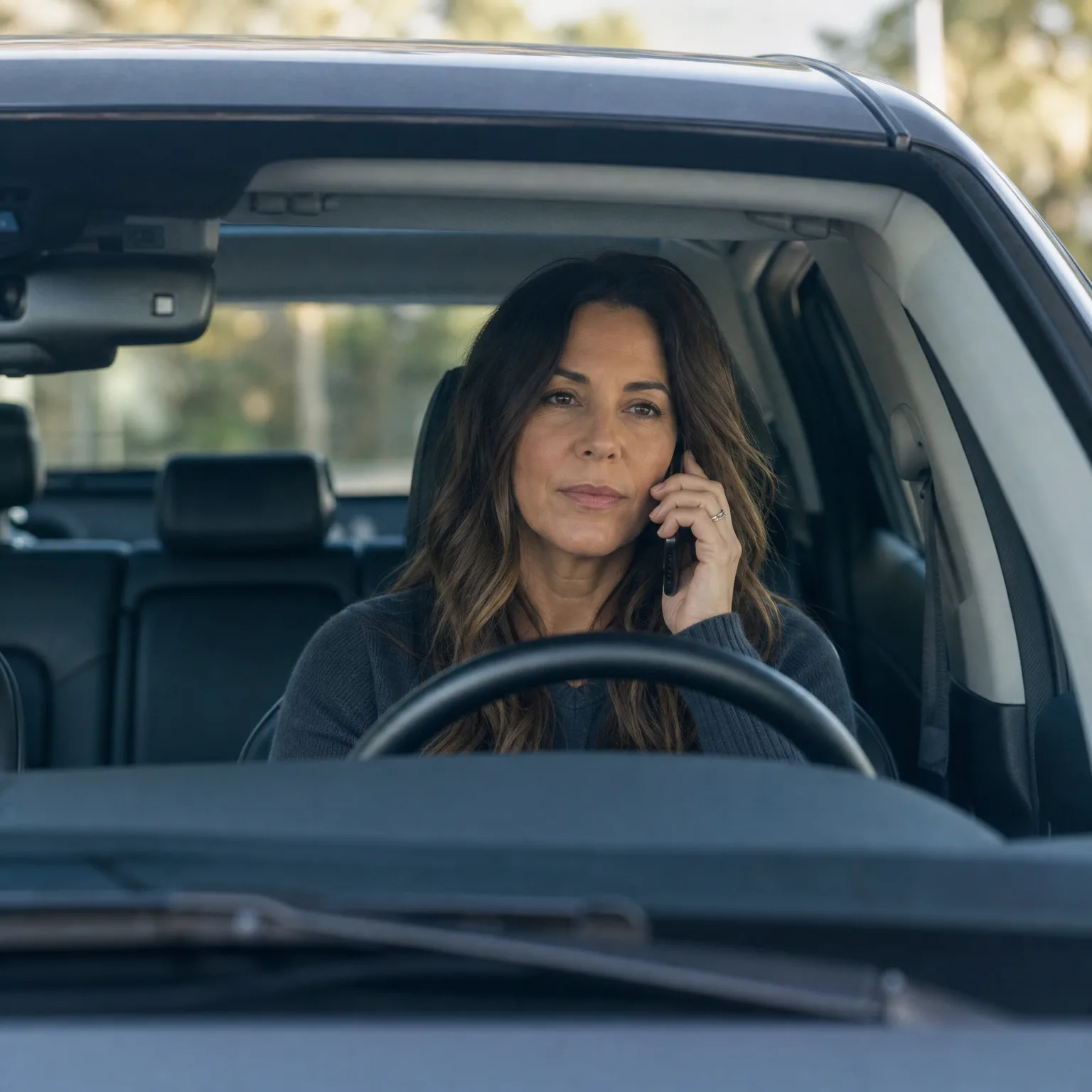
Nearly one in five Washington drivers operates without insurance. When an uninsured driver causes an accident, your uninsured motorist coverage pays your claim, and carriers price that risk into every policy.
Insurance Information Institute, 2023
What Washington Requires and What It Costs
Washington requires $25,000 bodily injury coverage per person, $50,000 per accident, and $10,000 property damage. These minimums are lower than many neighboring states, but meeting them doesn't produce a low premium because the state's risk environment drives carrier pricing.
The state does not mandate personal injury protection or uninsured motorist coverage, but most carriers include uninsured motorist protection as a standard component because of the 19.1% uninsured rate. When you compare quotes, you'll see this coverage listed even when it's not legally required.
Households insuring two or more vehicles face the same minimum-limit requirement per vehicle, but the multi-car discount applies when every vehicle sits on one policy. The discount structure varies by carrier, and some require all vehicles to share a garaging address while others only require the same policy. Compare carriers that write multi-vehicle policies in Washington and confirm the same-policy requirement before you combine coverage.
Washington's uninsured motorist rate is nearly double the national average. You're paying for coverage that protects you when the other driver has none.
Where Multi-Vehicle Households Can Control Costs
The multi-car discount is the largest single lever available to households insuring two or more vehicles. Every vehicle must sit on the same policy to qualify, and the discount applies to the total premium rather than per vehicle. Carriers structure the discount differently: some apply a percentage reduction to each vehicle after the first, others reduce the base rate across all vehicles, and a few apply a flat dollar credit per policy term.
Deductible selection controls your out-of-pocket exposure and your premium. A $500 deductible costs more per month than a $1,000 deductible, and the difference compounds across multiple vehicles. If you're insuring three cars with comprehensive and collision, raising each deductible from $500 to $1,000 cuts the combined premium noticeably. The tradeoff: you pay more at claim time.
Liability limits above the state minimum reduce your financial exposure in a serious accident, but they also raise your premium.
Collision and comprehensive coverage are optional when you own your vehicles outright. Dropping collision on an older vehicle with low market value eliminates that portion of the premium, but you lose coverage for your own vehicle damage in an at-fault accident. The decision turns on whether the vehicle's value justifies the annual collision premium. For a car worth less than ten times the annual collision cost, most households drop the coverage and self-insure the replacement risk.
437.8 per 100k
Washington Vehicle Theft Rate
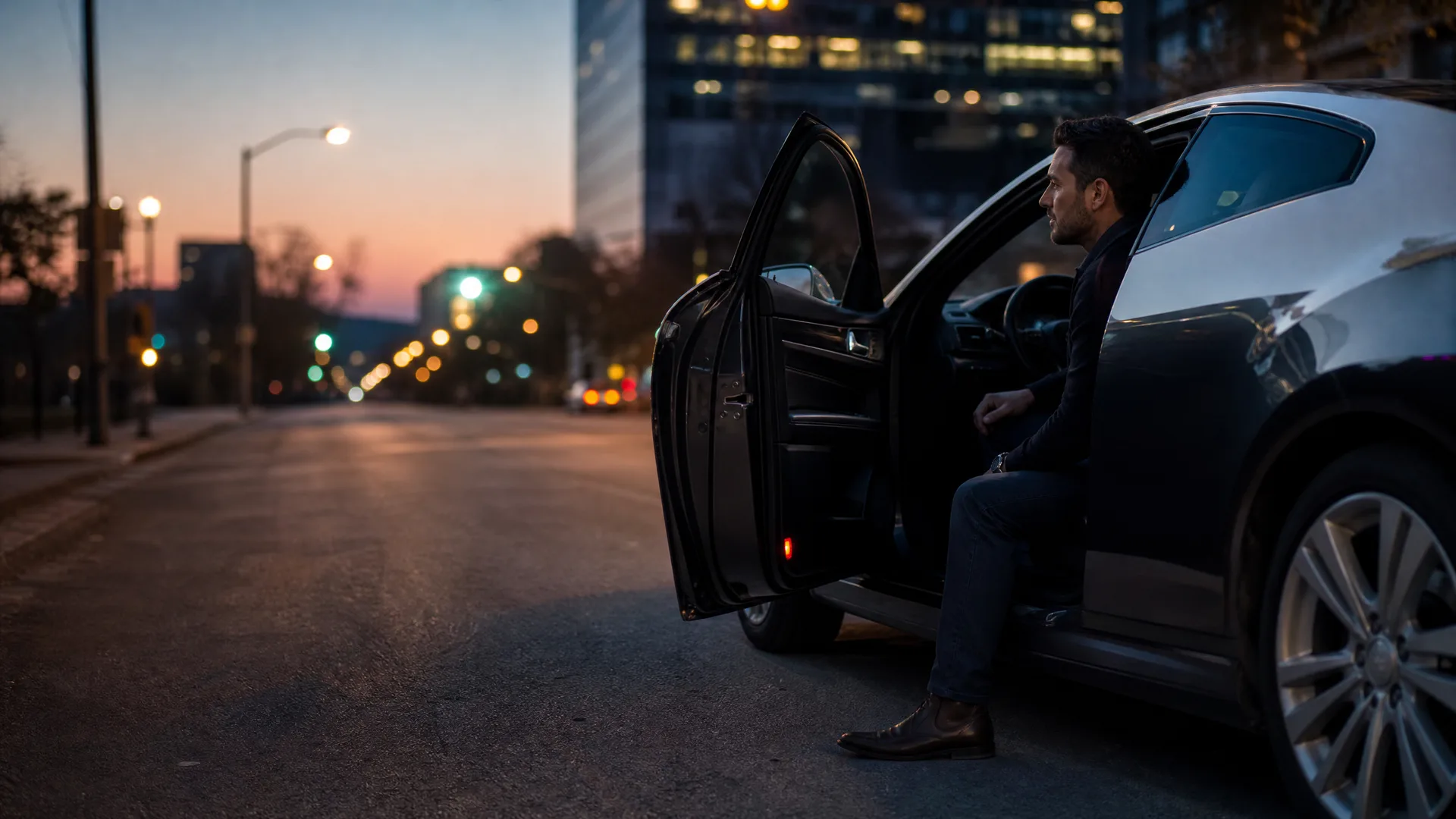
Washington's theft rate drives comprehensive coverage pricing. Urban counties see higher rates, and carriers adjust premiums by garaging ZIP code to reflect local theft risk.
FBI Uniform Crime Reporting, 2024
How Carriers Price Washington Risk
Carriers writing in Washington adjust premiums based on county-level loss data, and the variation between urban and rural areas is significant. King, Pierce, and Snohomish counties see higher theft and accident frequency than eastern Washington counties, and premiums reflect that difference. Your garaging address determines which county's loss experience applies to your policy.
Washington is a comparative negligence state, meaning fault is apportioned by percentage in accidents involving multiple drivers. This affects how carriers handle claims and how they price liability coverage. In a state where 19.1% of drivers carry no insurance, your uninsured motorist coverage becomes the primary payer in one out of five accidents where the other driver is at fault. Carriers price that exposure into every policy, and it's a larger component of your premium than in states with lower uninsured rates.
Compare Carriers Writing Multi-Vehicle Policies
Washington has a competitive carrier market, and premium variation between carriers is wider than most drivers expect. State Farm, GEICO, Progressive, Allstate, Farmers, and USAA all write multi-vehicle policies in Washington, and each prices the uninsured motorist and theft risk differently. The carrier that offers the lowest rate for a single vehicle may not offer the best multi-car discount, and the only way to know is to compare quotes with every vehicle and driver on the application.
Request quotes from at least three carriers, and make sure every quote includes the same liability limits, deductibles, and optional coverages. The multi-car discount only applies when all vehicles sit on one policy, so structure your comparison around the total household premium rather than per-vehicle cost. Some carriers offer better rates for households with clean driving records, others specialize in insuring drivers with violations, and a few price aggressively for multi-vehicle policies regardless of driver history. The right carrier for your household depends on your specific risk profile and vehicle mix.
The Theft and Uninsured Driver Premium Load
Washington's vehicle theft rate sits at 437.8 incidents per 100,000 residents. Comprehensive coverage pays theft claims, and carriers price that exposure into every policy that includes comp. Even if you've never filed a theft claim, you're paying for the statewide risk pool. Urban counties see higher theft rates than rural areas, and carriers adjust premiums by ZIP code to reflect local loss experience.
The 19.1% uninsured motorist rate means that in any accident involving another driver, there's a one-in-five chance that driver carries no coverage. Your uninsured motorist protection pays your medical bills and vehicle damage when the at-fault driver has no policy. Carriers price this coverage based on the likelihood they'll pay claims the uninsured driver should have covered, and Washington's rate is among the highest in the region.
Get Your Free Quote
Get My Washington Car Insurance QuoteFrequently Asked Questions
Why is Washington car insurance more expensive than neighboring states?
Washington's 19.1% uninsured motorist rate and 437.8 per-100,000 vehicle theft rate drive premiums higher than states with lower risk exposure. Carriers price for the statewide loss pool, and insured drivers subsidize the cost of uninsured motorist claims and theft losses. Urban counties see higher premiums than rural areas because theft and accident frequency vary by location.
Does insuring multiple cars in Washington lower my premium?
Yes, when all vehicles sit on one policy. The multi-car discount applies to the total household premium, and most carriers require every vehicle to be listed on the same policy to qualify. The discount structure varies by carrier: some reduce the rate per vehicle after the first, others apply a percentage reduction to the base premium across all vehicles.
What is the minimum car insurance required in Washington?
$25,000 bodily injury per person, $50,000 per accident, and $10,000 property damage. Washington does not require personal injury protection or uninsured motorist coverage, but most carriers include uninsured motorist protection as a standard component because nearly one in five drivers operates without insurance.
How does Washington's uninsured motorist rate affect my premium?
Carriers price uninsured motorist coverage based on the likelihood they'll pay claims the at-fault driver should have covered. With 19.1% of Washington drivers uninsured, there's a one-in-five chance the other driver in an accident has no coverage. Your uninsured motorist protection pays your medical bills and vehicle damage in that scenario, and carriers price that risk into every policy.
Can I drop comprehensive coverage to lower my Washington premium?
Yes, if you own your vehicle outright. Comprehensive pays theft and non-collision damage claims, and Washington's 437.8 per-100,000 theft rate makes comp coverage expensive in urban counties. Dropping comp eliminates that premium component, but you lose coverage for theft, vandalism, weather damage, and animal strikes. The decision turns on whether your vehicle's value justifies the annual comprehensive cost.
Which Washington carriers offer the best multi-car discounts?
State Farm, GEICO, Progressive, Allstate, Farmers, and USAA all write multi-vehicle policies in Washington, and each structures the multi-car discount differently. The carrier with the lowest single-vehicle rate may not offer the best multi-car discount. Request quotes from at least three carriers with all vehicles and drivers on the application, and compare the total household premium rather than per-vehicle cost.