
Multi-Car Discount Mechanics — Washington
Free to compare
When the Multi-Car Discount Doesn't Apply
You added a second car to your Washington policy expecting the multi-car discount to lower your premium, but the savings didn't materialize the way you thought. The discount appeared on your declaration page, but your total premium went up more than the cost of insuring the second vehicle alone. You're wondering whether the discount actually applied, or whether your carrier made a mistake.
The multi-car discount is real, but it works differently than most Washington households expect. The discount applies to the policy structure—not to each vehicle individually—and carriers calculate it from different starting points. Understanding how the discount is structured, what it requires, and how carriers apply it determines whether combining vehicles on one policy actually saves money or costs more than you planned.
“The multi-car discount applies to policy structure, not per vehicle—and carriers calculate it from different base rates.”

Check Your Rate Against Other Washington Drivers
Get My Washington Car Insurance Quote$25,000 / $50,000 / $10,000
Washington Minimum Liability
Washington requires $25,000 bodily injury per person, $50,000 per accident, and $10,000 property damage. Every vehicle on your policy must carry at least these limits, and adding a vehicle re-rates the entire policy at the combined risk profile.
Washington State Department of Licensing
The Multi-Car Discount Applies to Policy Structure, Not Per Vehicle
The multi-car discount is not a per-vehicle reduction. It is a policy-level adjustment that applies when you insure two or more vehicles on the same policy. Carriers calculate the discount differently: some apply a percentage reduction to each vehicle's premium after rating them individually, others adjust the base rate before calculating coverage premiums, and a few apply the discount only to specific coverage components like liability or collision.
This means the discount's dollar value depends on how the carrier structures your policy. A carrier that applies a 15% discount to a higher base rate may cost more than a carrier that applies a 10% discount to a lower base rate. The percentage alone does not tell you what you will pay.
The discount requires every vehicle to sit on the same policy. A vehicle titled to a household member on a separate policy does not count toward the multi-car discount, even if both policies are with the same carrier. If you and your spouse each have a separate policy and you add a third vehicle to one of them, that policy qualifies for the multi-car discount—but the other policy does not.
Most carriers also require the vehicles to share a garaging address. If one vehicle is garaged at a different address—for example, a college student's car at a campus address—some carriers will not apply the multi-car discount, while others will allow it if the student is listed on the policy and the vehicle is titled to a household member.
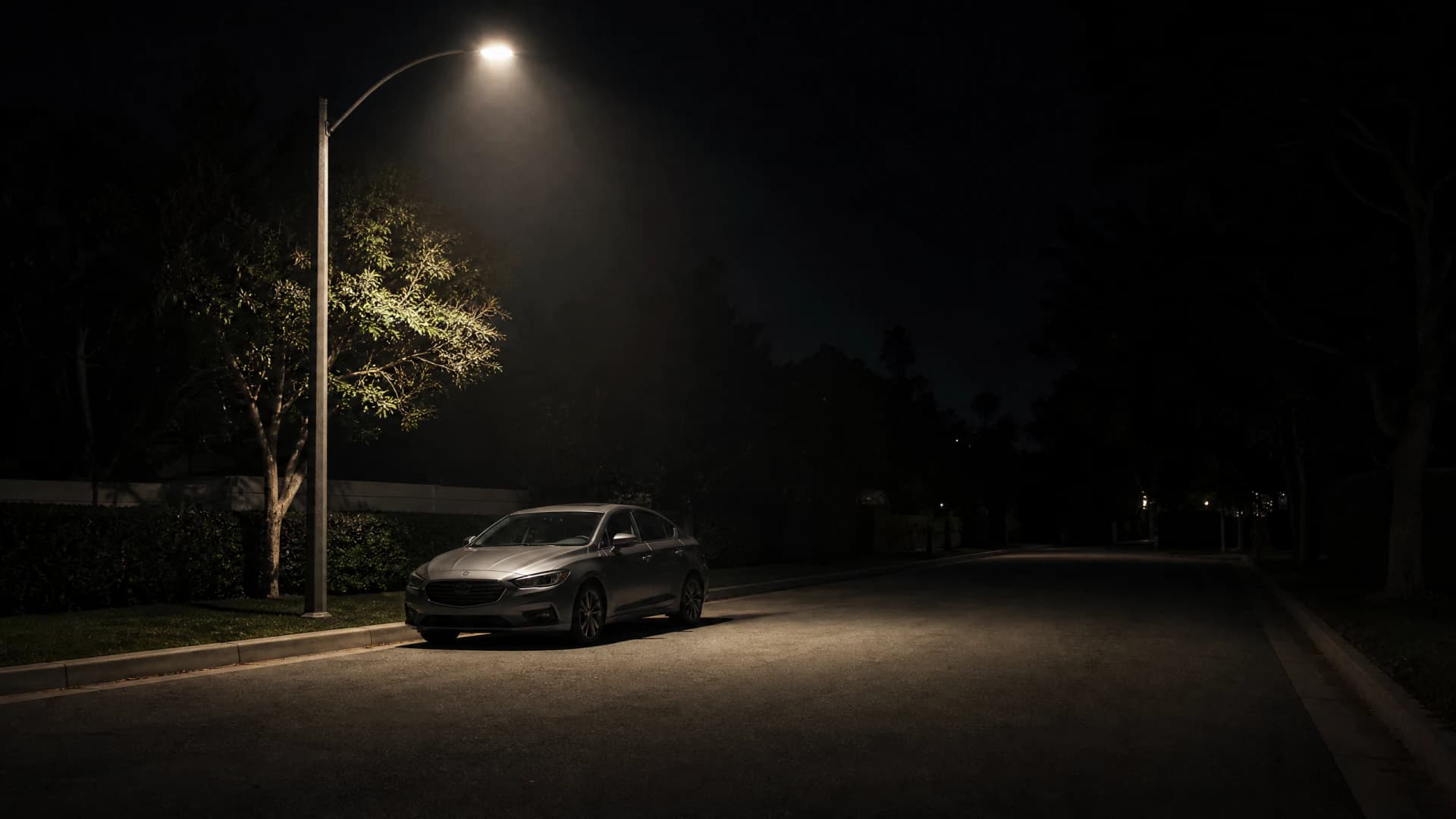
The multi-car discount requires every vehicle on one policy. A vehicle on a separate policy—even with the same carrier—does not qualify.
Related Articles



Adding a Vehicle Re-Rates the Entire Policy
When you add a vehicle to your Washington policy, the carrier re-rates the entire policy at the combined risk profile. The new premium reflects the risk of insuring all vehicles together, not just the cost of the new vehicle added to your existing premium. If the new vehicle is higher-risk—a sports car, a vehicle with a high theft rate, or a vehicle driven by a young driver—the re-rating can increase the premium for all vehicles on the policy.
This is why adding a second vehicle sometimes increases your total premium by more than the cost of insuring that vehicle alone. The multi-car discount applies, but the re-rating offsets part or all of the discount. The net result depends on the risk profile of the new vehicle and how the carrier weights multi-vehicle risk.
Most carriers allow a grace period to add a newly purchased vehicle to your policy—typically 14 to 30 days. During this period, the new vehicle is covered under your existing policy's liability and any physical damage coverages you carry on other vehicles. After the grace period ends, an unreported vehicle can be denied at claim time. Add the vehicle within the grace period to avoid a coverage gap.
19 carriers
Washington Multi-Vehicle Carriers
Nineteen carriers write multi-vehicle policies in Washington, including State Farm, GEICO, Progressive, Allstate, and USAA. Each calculates the multi-car discount differently, so comparing quotes from at least three carriers shows you the actual dollar difference.
When Combining Policies Saves Money and When It Doesn't
Combining two separate policies into one multi-vehicle policy usually lowers the combined premium, but not always. If one policy carries a preferred-tier rate and the other carries a standard- or non-standard-tier rate, combining them can move both vehicles to the higher-risk tier and increase the total cost. This happens when one household member has a clean driving record and the other has a recent violation or accident.
Some carriers allow you to exclude a household member from your policy if that person has their own separate policy on a different vehicle. This keeps your policy in the preferred tier while the higher-risk driver stays on their own policy. Not all carriers offer this option, and it only works if the excluded driver does not regularly drive your vehicles. If the excluded driver uses your car and has an accident, your carrier can deny the claim.
When you get married or a household member moves in with a vehicle, compare the cost of combining policies against keeping them separate. Request quotes for both structures from the same carrier, and compare the total cost. If combining saves money, most carriers allow you to combine mid-term without waiting for renewal.
Compare Carriers That Write Multi-Vehicle Policies in Washington
The multi-car discount's structure varies more than its percentage. A carrier that applies the discount to all coverages and uses a lower base rate can cost less than a carrier advertising a higher discount percentage. Request quotes from at least three carriers, and ask each one how they calculate the multi-car discount, whether it applies to all coverages, and whether they require all vehicles to share a garaging address.
Washington has 19 carriers writing multi-vehicle policies, including State Farm, GEICO, Progressive, Allstate, Farmers, Liberty Mutual, Nationwide, USAA, Travelers, American Family, and others. Each carrier rates multi-vehicle risk differently, and the best rate for your household depends on your vehicles, drivers, and coverage selections. Compare quotes with the same coverage limits and deductibles across all carriers so you see the actual cost difference, not a difference driven by coverage changes.
How Carriers Calculate the Multi-Car Discount
Some carriers rate each vehicle individually, then apply a percentage discount to each vehicle's premium. Other carriers adjust the base rate before calculating coverage premiums, which changes the discount's dollar value even if the percentage is the same.
A few carriers apply the discount only to specific coverage components. You might see the multi-car discount applied to liability and collision but not to comprehensive or uninsured motorist coverage. This structure produces a smaller total discount than a carrier that applies it across all coverages. When you compare quotes, ask each carrier how they calculate the multi-car discount and which coverages it applies to.
Get Your Free Quote
Get My Washington Car Insurance QuoteFrequently Asked Questions
Does the multi-car discount apply if I have two vehicles with the same carrier but on separate policies?
No. The multi-car discount requires every vehicle to sit on the same policy. Two separate policies with the same carrier do not qualify, even if both policies are in your name. You must combine the vehicles onto one policy to receive the discount.
Can I add my spouse's car to my policy to get the multi-car discount?
Yes, if your spouse's vehicle is titled to a household member and garaged at the same address. Most carriers require all vehicles on a multi-car policy to share a garaging address and be titled to household members listed on the policy. If your spouse has a separate policy, compare the cost of combining both vehicles onto one policy against keeping them separate.
How much does the multi-car discount save in Washington?
The discount's dollar value depends on how the carrier calculates it and what base rate they use. Some carriers apply the discount to all coverages, others apply it only to liability or collision. A carrier with a lower base rate and a smaller discount percentage can cost less than a carrier with a higher base rate and a larger discount. Compare quotes from at least three carriers to see the actual cost difference.
Do all vehicles on a multi-car policy have to be garaged at the same address?
Most carriers require it, but some allow exceptions for college students or household members temporarily living elsewhere. If one vehicle is garaged at a different address, ask the carrier whether the multi-car discount still applies. Some carriers will allow it if the vehicle is titled to a household member and the driver is listed on the policy.
What happens if I add a high-risk vehicle to my multi-car policy?
Adding a high-risk vehicle re-rates the entire policy at the combined risk profile. The multi-car discount applies, but the re-rating can increase the premium for all vehicles on the policy. The net result depends on the new vehicle's risk profile and how the carrier weights multi-vehicle risk. Compare quotes before adding the vehicle to see the actual cost.