
Optional Car Insurance Coverages — Washington
Free to compare
When You're Deciding What to Add Beyond State Minimums
You've confirmed Washington's minimum liability requirement: $25,000 per person, $50,000 per accident for bodily injury, and $10,000 for property damage. Your policy meets the legal floor. Now you're looking at collision, comprehensive, uninsured motorist, and rental reimbursement—and trying to figure out which ones justify the added premium when you're covering two, three, or four vehicles on one policy.
The decision isn't binary across your entire household. You can structure optional coverages differently by vehicle: full protection on the newer car you're financing, liability-only on the older sedan you own outright, and a middle tier on the daily commuter. Carriers allow this flexibility, but most require collision and comprehensive as a matched pair when either is selected—you cannot buy collision without comprehensive on the same vehicle.
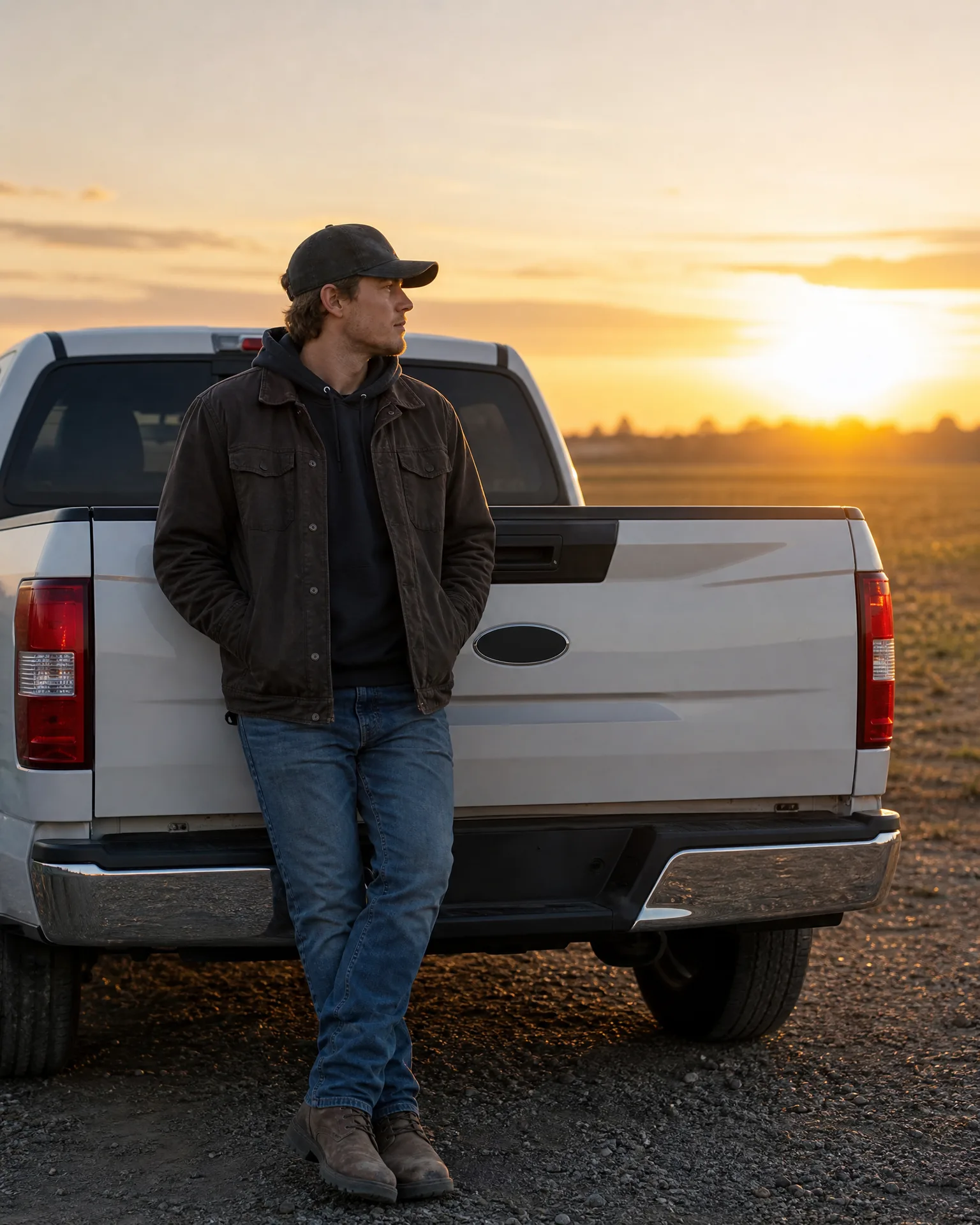
“You can structure optional coverages differently by vehicle: full protection on the financed car, liability-only on the older sedan.”
Check Your Rate Against Other Washington Drivers
Get My Washington Car Insurance Quote19.1%
Washington Uninsured Motorist Rate
Nearly one in five Washington drivers carries no insurance. Uninsured motorist coverage protects your household when an at-fault driver cannot pay for damage they caused to your vehicles or injuries to your passengers.
Insurance Information Institute, 2023
What Each Optional Coverage Actually Pays For
Collision coverage pays to repair or replace your vehicle after an accident with another car or object, regardless of fault. Comprehensive coverage pays for damage from non-collision events: theft, vandalism, hail, fire, hitting an animal, or glass breakage. Carriers sell these as a pair because the risk profile overlaps—vehicles worth insuring against collision are typically worth insuring against theft and weather damage.
Uninsured motorist coverage pays your claim when the at-fault driver has no insurance or insufficient limits to cover your损失. In Washington, this coverage is optional but recommended given the state's uninsured rate. It covers both bodily injury to you and your passengers, and in some policies, property damage to your vehicle when the at-fault driver cannot pay.
Rental reimbursement pays for a rental car while your vehicle is being repaired after a covered claim. It does not cover rentals during routine maintenance or breakdowns unrelated to an insured loss. Medical payments coverage pays medical bills for you and your passengers after an accident, regardless of fault, up to the policy limit—typically $1,000 to $10,000 per person.
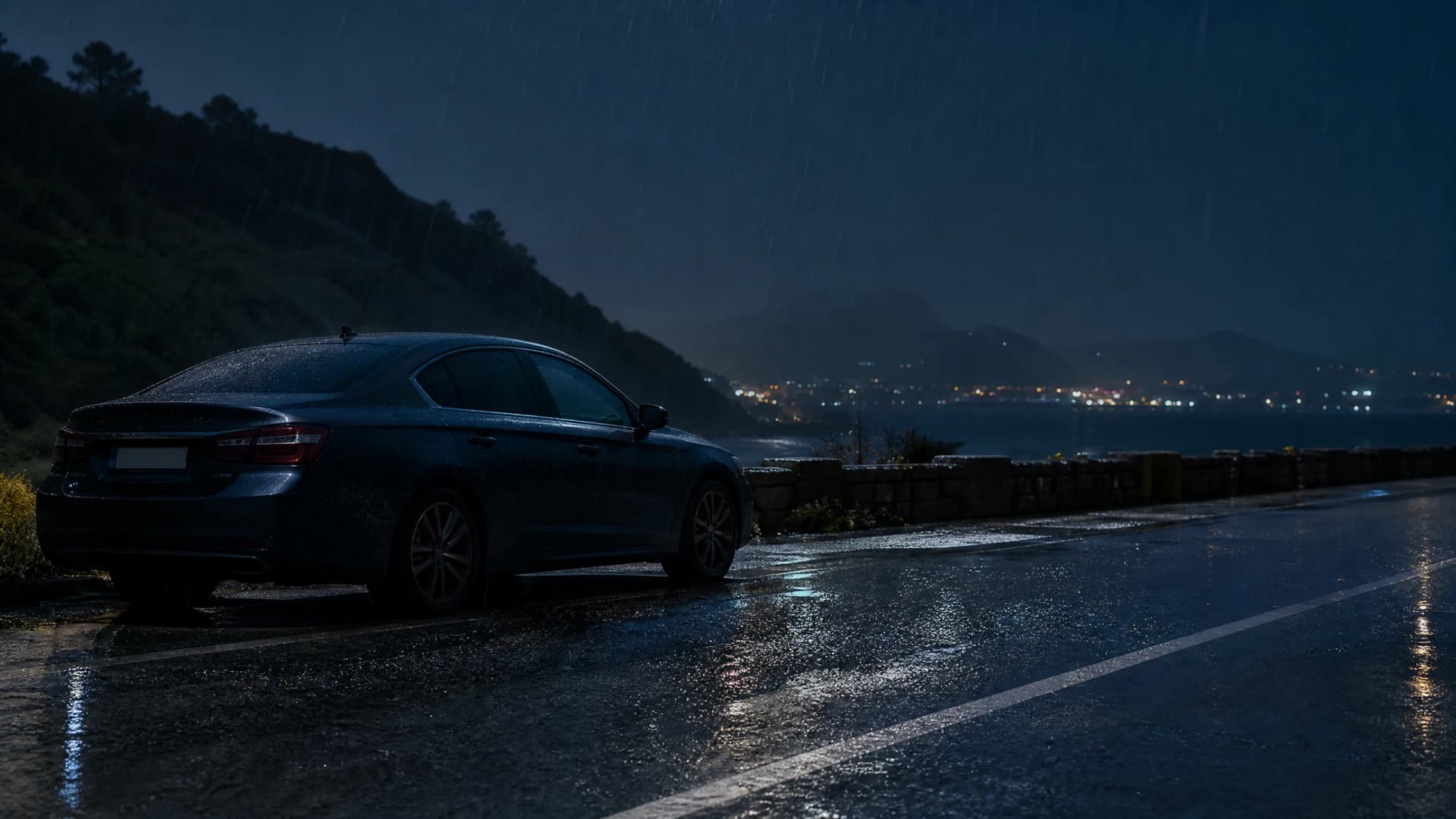
Most carriers require collision and comprehensive as a matched pair. You cannot buy collision without comprehensive on the same vehicle, though you can decline both.
Related Articles

Best Car Insurance for Multiple Cars in WA
7/15/2026
Minimum vs Full Coverage for Multiple Cars WA
7/15/2026

Full Coverage Car Insurance in Washington
7/15/2026
How to Choose a Car Insurer in Washington
7/15/2026
Liability vs Full Coverage in Washington
7/15/2026
Full Coverage Companies Washington Multi-Car
7/15/2026

When Dropping Optional Coverage Makes Sense
An older vehicle you own outright and could replace out-of-pocket is a candidate for liability-only coverage. After five years, you've paid the car's value in premiums. At that point, many households drop physical-damage coverage and bank the premium savings.
Households with three or more vehicles sometimes carry liability-only on the least-used car—the vehicle driven only on weekends or kept as a backup. The risk of a claim is lower when annual mileage is under 3,000 miles, and the household has other insured vehicles available if this one is damaged. Carriers allow this structure as long as the vehicle still carries Washington's minimum liability limits.
Do not drop uninsured motorist coverage to save money unless you have confirmed your health insurance and assets can absorb a total-loss claim caused by an uninsured driver. Uninsured motorist is the lowest-cost optional coverage and protects against Washington's high uninsured rate. Dropping collision and comprehensive on an older car is a calculated trade-off; dropping uninsured motorist exposes you to a risk you cannot control.
$25,000 / $50,000 / $10,000
Washington Minimum Liability Limits
These limits are the legal floor. They cover the other party's costs, not yours. Optional coverages—collision, comprehensive, uninsured motorist—protect your household's vehicles and medical bills when the at-fault driver's limits are exhausted or nonexistent.
Washington State Department of Licensing
How Deductibles Change the Cost Equation
Collision and comprehensive each carry a deductible—the amount you pay out-of-pocket before the carrier pays the rest. Common deductible choices are $500 or $1,000. A higher deductible lowers your premium but increases your immediate cost after a claim. A $1,000 deductible typically costs 15–25% less annually than a $500 deductible, but you pay an extra $500 at claim time.
Households with emergency savings often choose the $1,000 deductible and bank the annual premium difference. Over five years without a claim, the savings exceed the higher deductible. Households without liquid savings prefer the $500 deductible to avoid a large out-of-pocket expense after an accident. You can set different deductibles on different vehicles—$500 on the financed car, $1,000 on the older vehicle you could afford to repair or replace.
Compare Carriers That Write Multi-Vehicle Policies in Washington
Washington households insuring multiple vehicles can compare coverage options and per-vehicle premium structures across carriers licensed in the state. Carriers writing multi-vehicle policies in Washington include State Farm, GEICO, Progressive, Allstate, Farmers, USAA, Liberty Mutual, Travelers, American Family, Nationwide, and others. Each carrier prices optional coverages differently and applies the multi-car discount to different coverage components—some discount liability only, others discount collision and comprehensive as well.
Request quotes that show per-vehicle breakdowns. Ask each carrier how they structure optional coverages across your fleet and whether you can mix coverage levels by vehicle. Confirm which coverages are required as pairs and which can be selected independently. Compare not only the total premium but also the per-vehicle cost for each optional coverage—collision, comprehensive, uninsured motorist, rental reimbursement, and medical payments. The lowest total premium may not offer the best per-vehicle flexibility for your household's mix of newer and older cars.
How to Structure Coverage Across Multiple Vehicles
Start with vehicle value and loan status. A financed or leased vehicle requires collision and comprehensive per the lender's contract—you have no choice. For vehicles you own outright, compare the car's current market value to the annual cost of collision and comprehensive. A common threshold: when the vehicle is worth less than ten times the annual premium for those coverages, many households drop them and self-insure the replacement risk.
Apply uninsured motorist coverage to every vehicle unless budget forces a choice. Washington's 19.1% uninsured rate means one in five at-fault drivers cannot pay your claim. Uninsured motorist coverage costs less than collision or comprehensive and protects you regardless of which household vehicle is hit. Rental reimbursement and medical payments are lower-priority additions—useful for households without a backup vehicle or without health insurance that covers auto accidents, but not foundational.
Get Your Free Quote
Get My Washington Car Insurance QuoteFrequently Asked Questions
Can I buy collision coverage without comprehensive in Washington?
No. Most carriers require collision and comprehensive as a matched pair on the same vehicle. You can decline both, but you cannot buy collision alone. The paired requirement exists because vehicles worth insuring against collision are typically worth insuring against theft and weather damage.
Do all vehicles on my Washington policy need the same optional coverages?
No. You control which optional coverages apply to each vehicle. A financed car may carry collision and comprehensive, while an older car you own outright carries liability-only. Carriers allow this flexibility as long as every vehicle meets Washington's minimum liability requirement.
Is uninsured motorist coverage required in Washington?
No. Uninsured motorist coverage is optional in Washington. However, 19.1% of Washington drivers carry no insurance, so uninsured motorist coverage protects your household when an at-fault driver cannot pay your claim. It is the lowest-cost optional coverage and recommended for most households.
When should I drop collision and comprehensive on an older car?
When the vehicle's market value is less than ten times the annual premium for collision and comprehensive combined. Many households drop physical-damage coverage at that threshold and self-insure the replacement risk.
Does rental reimbursement cover a rental car during routine maintenance?
No. Rental reimbursement pays only for a rental car while your vehicle is being repaired after a covered claim—an accident, theft, or comprehensive loss. It does not cover rentals during oil changes, tire replacements, or mechanical breakdowns unrelated to an insured event.
Can I set different deductibles on different vehicles?
Yes. You can choose a $500 deductible on one vehicle and a $1,000 deductible on another. Households often set lower deductibles on financed cars and higher deductibles on older vehicles they could afford to repair or replace out-of-pocket.