
Rental Reimbursement Coverage — Washington
Free to compare
The Backup Car Already Sits in Your Driveway
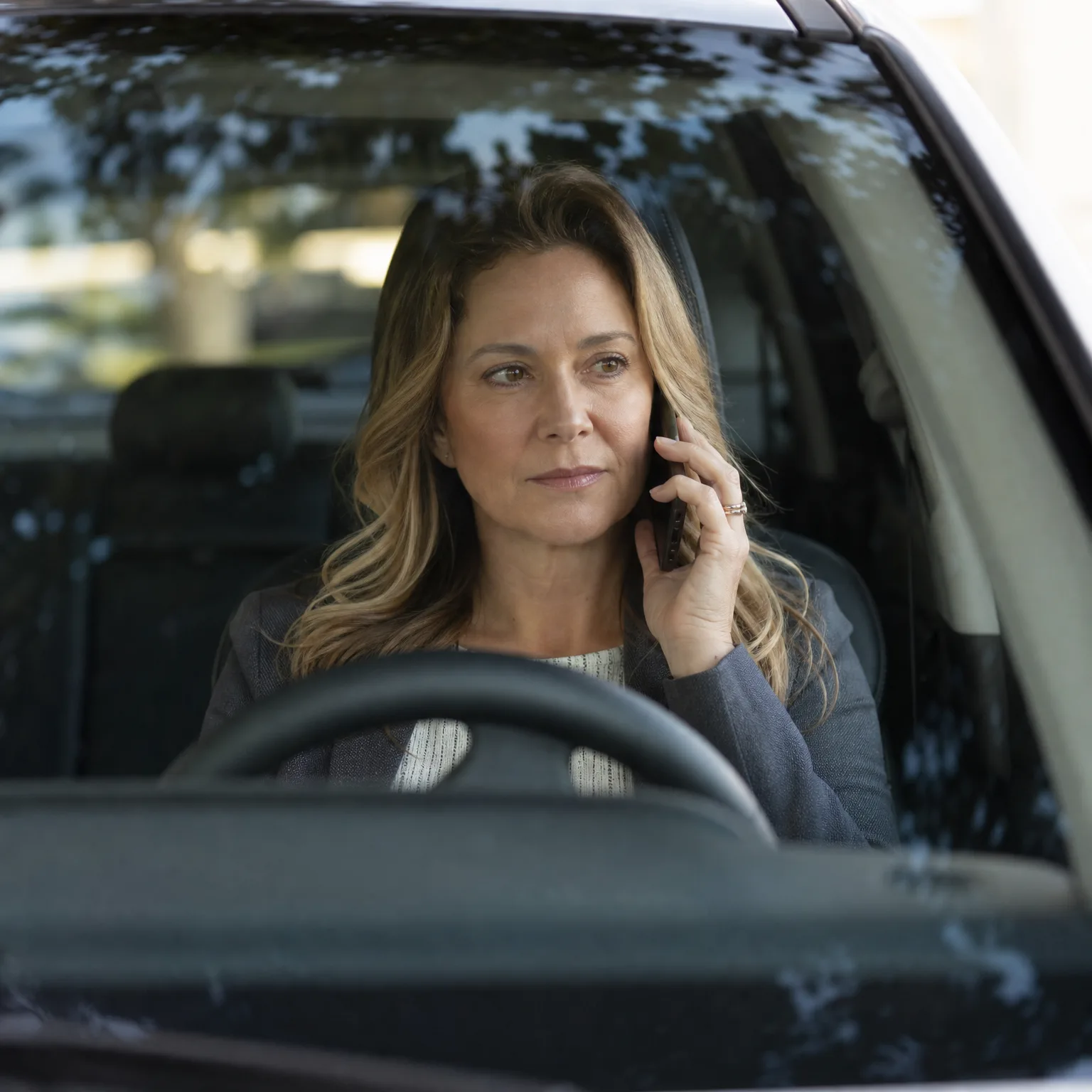
You insure two vehicles on one Washington policy. One car is in the shop after a covered collision claim. The adjuster mentions rental reimbursement coverage, but you declined it at policy inception because a second vehicle was already parked at home. Now you wonder whether that decision was correct, or whether the coverage would have paid even when a backup exists.
Rental reimbursement is sold per vehicle. Each car on your policy can carry it or skip it independently. The question for multi-car households is whether that daily payout justifies the annual premium when a second insured car already provides transportation.
“Rental reimbursement is priced per vehicle, not per household—adding it to both cars doubles the cost even though only one can be in the shop at a time.”
Check Your Rate Against Other Washington Drivers
Get My Washington Car Insurance Quote2+ vehicles
Washington Multi-Car Households
Washington registers 7,835,063 motor vehicles for 5,956,048 licensed drivers, meaning many households insure more than one car. The structural reality: rental reimbursement pricing does not account for backup vehicles already on the policy.
FHWA Highway Statistics 2022
Rental Reimbursement Pays Regardless of Backup Availability
The coverage does not ask whether you own another car. It pays the daily rate whenever the covered vehicle meets the trigger: undriveable after a covered collision, comprehensive, or mechanical-breakdown loss (if you carry mechanical-breakdown coverage). The policy does not reduce or deny the benefit because a second insured vehicle sits in your garage.
This creates a structural mismatch. If your household can function on one car while the other is repaired, the coverage delivers a cash benefit you may not need to spend on a rental.
Some households use the reimbursement check for other expenses during the repair window. Others rent a vehicle anyway to avoid the inconvenience of sharing one car. The coverage does not police how you use the daily payout, but the decision to add it should account for whether your household genuinely needs rental transportation or whether the second car fills that role.
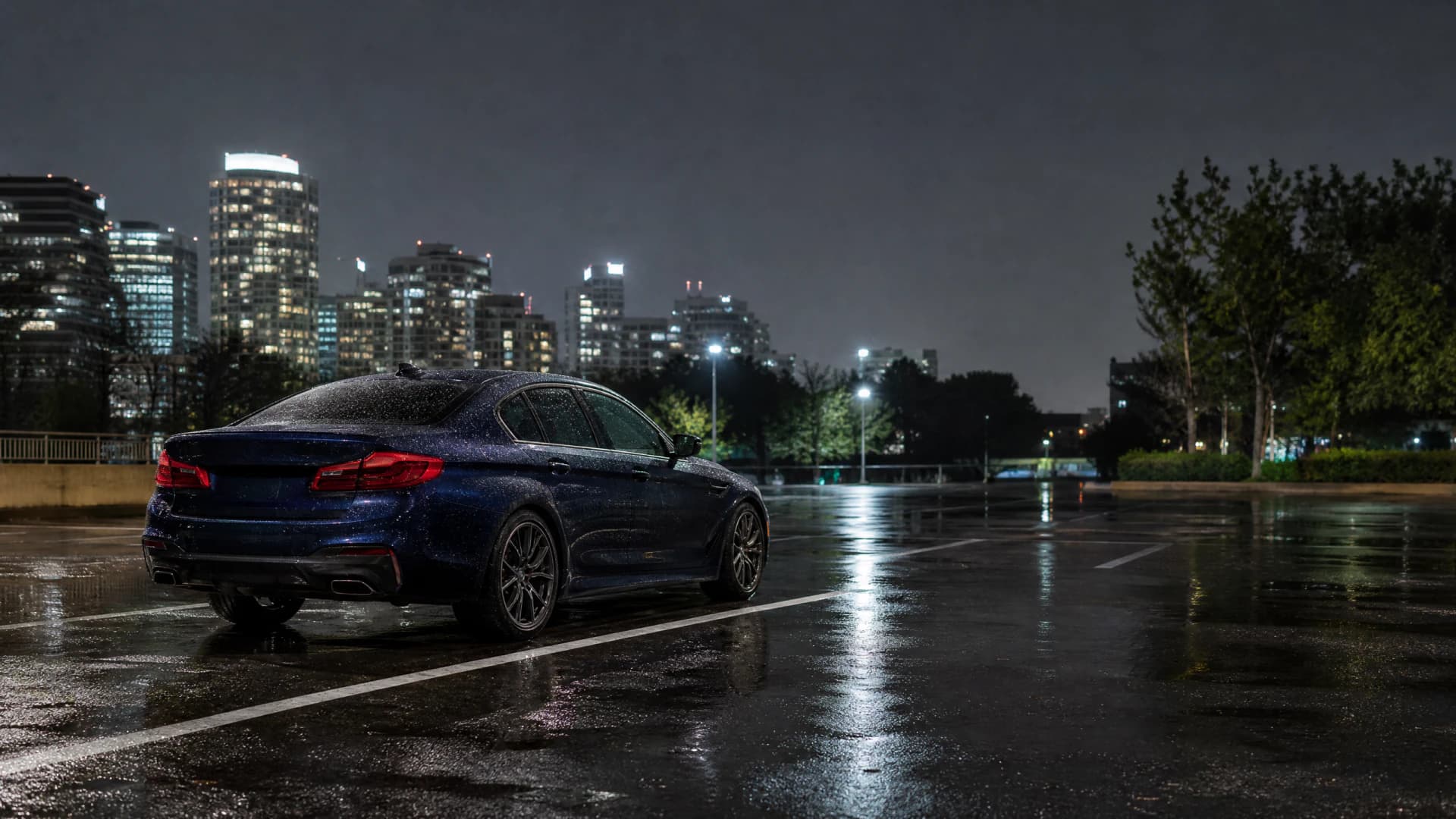
Rental reimbursement is priced per vehicle, not per household. Adding it to both cars doubles the annual cost even though only one vehicle can be in the shop at a time.
Related Articles
Best Car Insurance for Multiple Cars in WA
7/15/2026
Cheap Multi-Car Insurance Companies WA
7/15/2026
How Deductibles Affect Multi-Car Insurance WA
7/15/2026
Roadside Assistance Multi-Car Policy WA
7/15/2026
Collision Coverage for Multiple Cars in WA
7/15/2026
Multi-Car Coverage Requirements in Washington
7/15/2026
How the Per-Vehicle Structure Shapes Multi-Car Decisions
Carriers price rental reimbursement independently for each vehicle on the policy. Adding it to one car does not extend the benefit to the other. If both vehicles are in the shop simultaneously—rare but possible after a multi-car household accident or hailstorm—only the vehicle carrying the coverage triggers the daily payout.
This structure creates a decision point: add the coverage to one vehicle, both, or neither. Households that can function on one car during a repair often add it to the higher-value or more-frequently-driven vehicle only. The annual cost is lower, and the coverage applies when the primary car is out of service. Adding it to both vehicles doubles the cost but does not double the benefit unless both cars are simultaneously undriveable, a scenario most households never face.
Some Washington carriers bundle rental reimbursement into broader coverage packages or offer it at a reduced rate when multiple vehicles on the policy carry it. Review your policy's per-vehicle cost and the daily limit.
$25,000 / $50,000 / $10,000
Washington Minimum Liability
Washington requires $25,000 bodily injury per person, $50,000 per accident, and $10,000 property damage. Rental reimbursement is optional and sits outside these mandates, meaning the decision to add it is entirely driven by household transportation needs.
Washington State Department of Licensing
The Claim Reality: Rental Duration and Daily Limits
Collision repairs in Washington typically require 10 to 21 days depending on parts availability and shop workload. Comprehensive claims—hail damage, theft recovery, vandalism—follow similar timelines. Rental reimbursement pays the daily rate for each day the vehicle is in the shop, up to the policy's duration cap, usually 30 days.
The daily limit is the ceiling, not a reimbursement-up-to-actual-cost structure. Choose a daily limit that reflects rental rates in your county.
Compare Carriers That Write Multi-Car Policies in Washington
Nineteen carriers write multi-car policies in Washington, and rental reimbursement terms vary. Some offer the coverage as a standalone add-on; others bundle it into broader packages with roadside assistance or mechanical-breakdown coverage.
Request quotes that itemize the per-vehicle cost of rental reimbursement separately from collision and comprehensive premiums. Compare the annual cost against the likelihood you will file a claim that leaves the vehicle undriveable for more than a few days. If your household can function on one car during repairs and you rarely file collision or comprehensive claims, the coverage may cost more over three to five years than a single out-of-pocket rental would. If both drivers depend on separate vehicles daily and cannot share, the coverage pays for itself after one qualifying claim. Use the site's comparison tool to see which Washington carriers offer the daily limits and duration caps that match your household's transportation structure.
When Multi-Car Households Add the Coverage
First, both drivers commute in opposite directions or on schedules that make sharing one vehicle unworkable. A household with two full-time commuters cannot function on one car for the two to three weeks a collision repair typically requires. The daily reimbursement pays for a rental that restores both commutes, even though a second insured vehicle technically exists. The coverage is added to one vehicle—the one more likely to need repair—rather than both, reducing the annual cost while preserving the benefit when it matters.
Second, the backup vehicle is a specialty or seasonal car not suitable for daily use. A household insures a truck for weekend projects and a sedan for commuting. The sedan is totaled. The truck can substitute, but it consumes more fuel and lacks the cargo security the commute requires. Rental reimbursement on the sedan pays for a comparable replacement during the claim, and the household avoids forcing the truck into a role it was not insured to fill. Third, one vehicle is driven by a teen or young adult whose license restrictions or inexperience make them unsuitable to drive the backup car. The coverage ensures the household can rent an appropriate vehicle rather than navigating liability and skill-mismatch risks.
Get Your Free Quote
Get My Washington Car Insurance QuoteFrequently Asked Questions
Does rental reimbursement pay if I own another car?
Yes. The coverage pays the daily rate whenever the covered vehicle is undriveable after a covered loss, regardless of whether you own other insured vehicles. The policy does not reduce the benefit because a backup car exists.
Should I add rental reimbursement to both cars on my Washington policy?
Add it to both only if losing either vehicle simultaneously would require two rentals, a rare scenario. Most multi-car households add it to the primary or higher-value vehicle only, reducing annual cost while preserving the benefit when the main car is out of service.
What daily limit should I choose for rental reimbursement in Washington?
Choose a daily limit that matches rental rates in your county. A daily limit below the actual rental rate leaves you paying the difference out of pocket.
How long does rental reimbursement pay during a repair?
The coverage pays the daily rate for each day the vehicle is in the shop, up to the policy's duration cap—typically 30 days. Collision repairs in Washington average 10 to 21 days depending on parts availability and shop workload.
Can I use the rental reimbursement payout for expenses other than a rental car?
Yes. The coverage pays the daily rate as a cash benefit; the policy does not require you to rent a vehicle. Some households use the payout for rideshare, public transit, or other expenses during the repair window.
Does rental reimbursement cover a rental if my car is totaled?
Yes, up to the policy's duration cap. The coverage pays the daily rate from the loss date until the claim settles or the duration cap is reached, whichever comes first. Once the claim settles and you receive the payout, rental reimbursement stops.