
Collision Coverage for Multiple Cars — Washington
Free to compare
The Multi-Vehicle Collision Question
You insure two or more vehicles on one Washington auto policy. One car is newer, financed, and requires collision coverage by the lender. The other is older, paid off, and you're questioning whether collision still makes sense. You've heard that dropping coverage on one vehicle might affect your multi-car discount, or that carriers require uniform coverage across all cars on the policy. You need to know whether you can structure collision differently across your vehicles without breaking the discount or triggering a policy problem.
The structural reality: collision coverage is priced and applied per vehicle, not per policy. Washington carriers calculate collision premiums separately for each car based on its value, age, and repair cost. The multi-car discount applies to the policy as a whole when every vehicle sits on the same policy, regardless of whether each car carries identical coverage. Dropping collision on one vehicle does not forfeit the discount, does not require you to drop it on all vehicles, and does not trigger a policy restructure as long as every car remains on the same policy.
“Collision is priced per vehicle, not per policy—you can drop it on one car and keep it on another without losing the multi-car discount.”

Check Your Rate Against Other Washington Drivers
Get My Washington Car Insurance Quote$25,000 / $50,000 / $10,000
Washington Minimum Liability
Washington requires $25,000 bodily injury per person, $50,000 per accident, and $10,000 property damage. Collision is optional and separate from these liability minimums—you can drop collision on any vehicle and still meet state requirements as long as liability stays in place.
Washington State Department of Licensing
How Collision Pricing Works Across Multiple Vehicles
Collision coverage pays to repair or replace your vehicle after an accident with another car or object, minus your deductible. Carriers price collision separately for each vehicle on your policy based on the car's actual cash value, repair cost, theft risk, and age.
When you insure multiple vehicles, the carrier calculates a collision premium for each car independently. The multi-car discount reduces the total policy premium—typically by lowering the per-vehicle base rate or applying a percentage reduction to the combined premium—but it does not require uniform coverage across all vehicles. You can carry collision on the newer car and drop it on the older one. The discount remains intact as long as every vehicle stays on the same policy and shares the same garaging address.
The per-vehicle structure means you can adjust collision coverage as each car ages without restructuring the entire policy. When a vehicle's value drops below the point where collision premiums and the deductible together exceed the car's worth, you drop collision on that vehicle only. The other cars on the policy keep their collision coverage, and the multi-car discount continues to apply to the policy as a whole.
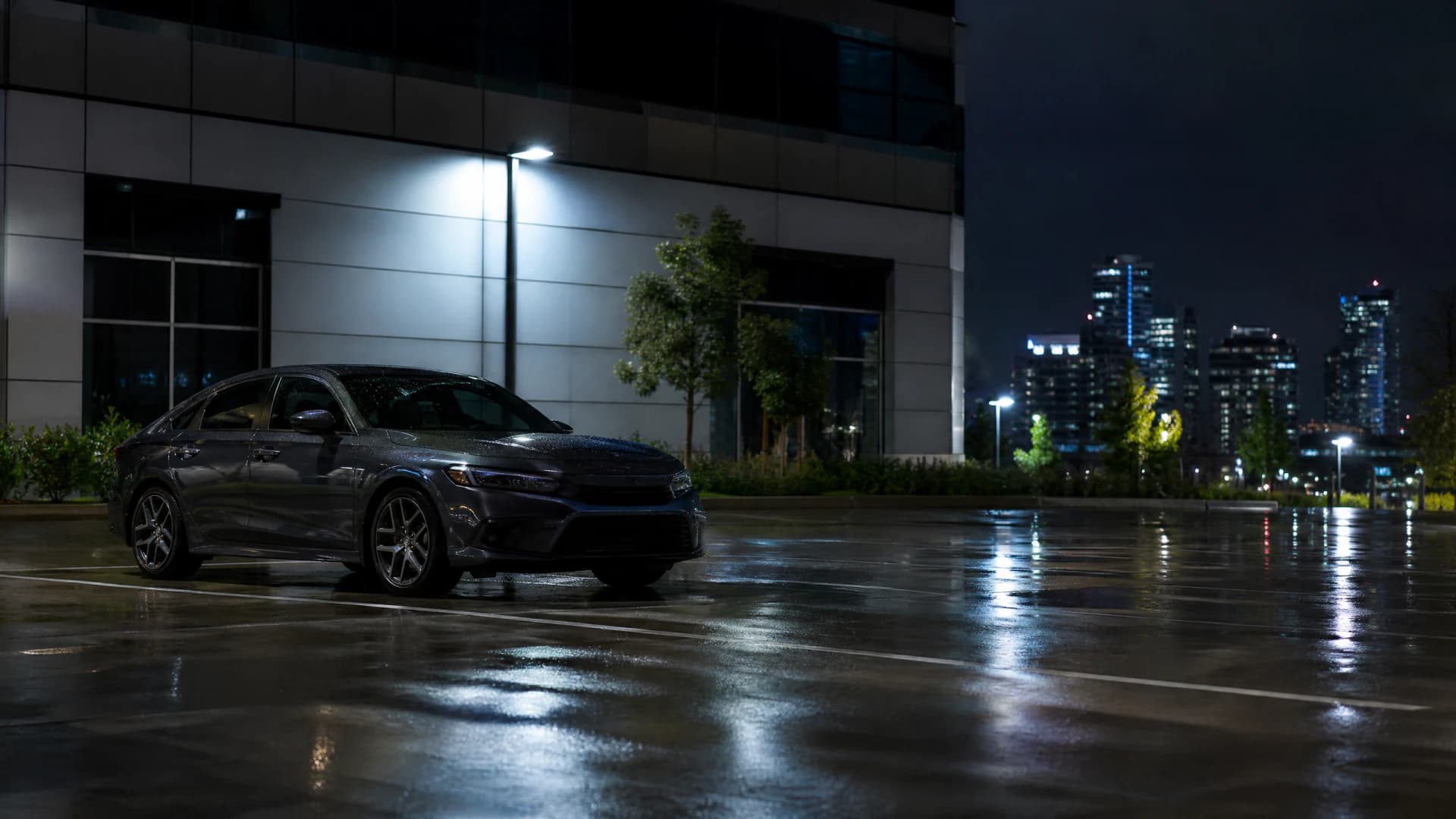
Dropping collision on one vehicle does not forfeit the multi-car discount. The discount applies to the policy when every vehicle sits on it, not to uniform coverage levels.
Related Articles

Best Car Insurance for Multiple Cars in WA
7/15/2026
Multi-Car Coverage Requirements in Washington
7/15/2026

Comprehensive Coverage for Multiple Cars WA
7/15/2026

Full Coverage Companies Washington Multi-Car
7/15/2026
Full Coverage Car Insurance in Washington
7/15/2026
Full Coverage Companies Washington Multi-Car
7/15/2026
Lender Requirements and Collision Across Multiple Vehicles
If a vehicle on your policy is financed or leased, the lender requires collision and comprehensive coverage until the loan is paid off. That requirement applies only to the financed vehicle. Other vehicles on the same policy that are owned outright face no lender-imposed coverage mandate. You can drop collision on the paid-off cars while maintaining it on the financed one, and the lender's requirement is satisfied as long as the financed vehicle keeps both collision and comprehensive in place.
When you pay off a loan mid-term, the lender releases the coverage requirement. At that point you can drop collision on the newly paid-off vehicle without waiting for renewal. Contact your carrier, request the removal, and the collision premium for that vehicle stops. The policy remains intact, the other vehicles keep their coverage, and the multi-car discount continues. The carrier re-rates the policy to reflect the coverage change, and your premium drops by the per-vehicle collision amount for the car you removed.
Households with one financed vehicle and two paid-off vehicles commonly carry collision only on the financed car. The paid-off vehicles carry liability, comprehensive if theft or weather damage is a concern, and uninsured motorist coverage. This structure keeps the policy compliant with lender requirements, meets Washington's liability minimums, and reduces total premium by eliminating collision charges on the older vehicles.
19.1%
Washington Uninsured Motorist Rate
Nearly one in five Washington drivers carries no insurance. Uninsured motorist coverage protects you when an at-fault driver cannot pay, and it applies regardless of whether you carry collision. Dropping collision does not remove UM coverage—the two are independent.
Insurance Research Council, 2023
Comprehensive Without Collision
Comprehensive coverage pays for damage from theft, vandalism, weather, fire, and animal strikes—events outside your control that are not collisions. You can carry comprehensive without collision. Many Washington households drop collision on older vehicles but keep comprehensive because theft and weather risks do not decline with vehicle age, and comprehensive premiums are lower than collision premiums for the same vehicle.
When you drop collision on one car in a multi-vehicle household, evaluate whether comprehensive still makes sense for that vehicle. If the car is garaged in an area with high theft rates or frequent hailstorms, comprehensive coverage may return value even when collision does not. If the vehicle is older, low-value, and garaged in a secure location, dropping both collision and comprehensive reduces premium further. The choice is per-vehicle and independent of the coverage on your other cars.
How to Adjust Collision Coverage Mid-Term
Removing collision from one vehicle on a multi-car policy is a mid-term policy change. Contact your carrier by phone, online account portal, or through your agent. Specify which vehicle you want to remove collision from, confirm that liability and any other required coverages remain in place, and request the effective date for the change. Most carriers process the removal within one business day and issue an updated policy declaration showing the revised coverage and premium.
The carrier re-rates your policy to reflect the removal. Your premium drops by the per-vehicle collision charge for the car you removed, prorated from the effective date of the change through the end of the current term. The multi-car discount remains applied to the policy because all vehicles still sit on the same policy. At renewal, the new term's premium reflects the updated coverage structure, and you continue with collision on some vehicles and not on others as long as the structure fits your household's needs.
When to Drop Collision on a Multi-Car Policy
Start with the vehicle's current market value. Check Kelley Blue Book, NADA, or your carrier's valuation tool for the actual cash value—the amount the carrier would pay if the car were totaled. Then add your annual collision premium to your deductible. If that sum meets or exceeds the vehicle's value, you're paying more for coverage than you could recover in a total-loss claim. At that point, dropping collision and setting aside the premium savings for future vehicle replacement produces a better outcome than continuing to pay for coverage that cannot return its cost.
Apply this calculation separately to each vehicle on your policy. A household with three cars might carry collision on two newer vehicles and drop it on the oldest. The two vehicles with collision remain fully covered for accident damage. The older vehicle keeps liability, comprehensive if desired, and uninsured motorist coverage—only collision is removed. The multi-car discount continues to apply because all three vehicles sit on the same policy, and Washington's minimum liability requirements remain satisfied across the board.
Get Your Free Quote
Get My Washington Car Insurance QuoteFrequently Asked Questions
Does dropping collision on one car affect my multi-car discount in Washington?
No. The multi-car discount applies when every vehicle sits on the same policy, regardless of whether each car carries identical coverage. You can drop collision on one vehicle and keep it on another without losing the discount.
Can I carry collision on some vehicles and not others on the same policy?
Yes. Collision coverage is priced and applied per vehicle. You can structure collision differently across your cars based on each vehicle's value, age, and lender requirements. The policy remains intact as long as every vehicle stays on it.
What happens to my premium when I drop collision on one vehicle?
Your premium drops by the per-vehicle collision charge for the car you removed, prorated from the effective date through the end of the term. The carrier re-rates the policy, and the multi-car discount continues to apply to the remaining coverage.
Do I need collision coverage to meet Washington's insurance requirements?
No. Washington requires liability coverage of $25,000 per person, $50,000 per accident, and $10,000 property damage. Collision is optional. You can drop collision on any or all vehicles and still meet state minimums as long as liability stays in place.
Can I drop collision mid-term or do I have to wait for renewal?
You can drop collision mid-term. Contact your carrier, specify the vehicle, and request the effective date. Most carriers process the change within one business day and prorate the premium reduction from the effective date forward.
If my car is paid off, do I have to keep collision coverage?
No. Once a vehicle is paid off, the lender releases the coverage requirement. You can drop collision immediately by contacting your carrier. The decision turns on the vehicle's value relative to the collision premium and deductible, not on lender mandate.
Can I keep comprehensive coverage after dropping collision?
Yes. Comprehensive and collision are independent coverages. You can drop collision and keep comprehensive if theft, weather, or animal-strike risks justify the comprehensive premium for that vehicle. Many households structure coverage this way on older cars.