
Roadside Assistance on Multi-Car Policies — Washington
Free to compare
The Multi-Car Roadside Question
You manage a policy covering three vehicles in Washington. You assume the per-policy option is cheaper—until you discover it covers only the named insured, not every driver or every car. Your spouse gets stranded in the third vehicle, calls the number on the insurance card, and learns the tow isn't covered because the coverage follows the policyholder, not the car.
This confusion is structural. Some carriers sell roadside assistance as a per-vehicle add-on that covers anyone driving that specific car. Others sell it as a per-person benefit that covers the named insured in any vehicle, including rentals—but not other household drivers in your own cars. Washington requires liability minimums of $25,000 per person, $50,000 per accident, and $10,000 property damage, but roadside assistance is entirely optional. The decision isn't whether you need it—it's whether the structure matches how your household actually uses its vehicles.
“Per-vehicle coverage protects anyone driving that car; per-policyholder coverage protects only the named insured in any car—the structure must match your household's driving pattern.”

Check Your Rate Against Other Washington Drivers
Get My Washington Car Insurance Quote3 vehicles
Household Policy Threshold
Washington households insuring three or more vehicles on one policy see the largest premium impact from per-vehicle add-ons.
Two Coverage Structures, Different Gaps
Roadside assistance comes in two forms. Per-vehicle coverage attaches to a specific car on your policy. Anyone driving that car—spouse, teen, household member—gets towing, jump-starts, lockout service, and fuel delivery when that car breaks down. The coverage does not follow you into a rental or a friend's car. If you have three vehicles on your Washington policy and add per-vehicle roadside to all three, every car is covered no matter who drives it.
Per-policyholder coverage attaches to the named insured, not the car. You get roadside help in any vehicle you're driving—your own cars, rentals, even a borrowed vehicle. But your spouse driving your second car is not covered unless they are also a named insured with their own roadside benefit. If only one policyholder buys the coverage, only that person gets the service, regardless of which household vehicle breaks down.
It does not. A non-covered driver in a covered vehicle, or a covered driver in a non-covered vehicle, creates a service gap that shows up at the worst possible time—on the side of I-5 in Tacoma at night with a dead battery.
Washington law does not regulate roadside assistance structure. Carriers choose their own model. Some offer both options; most offer only one. You cannot assume the structure from the price—you must ask the carrier explicitly whether the coverage follows the car or the person.
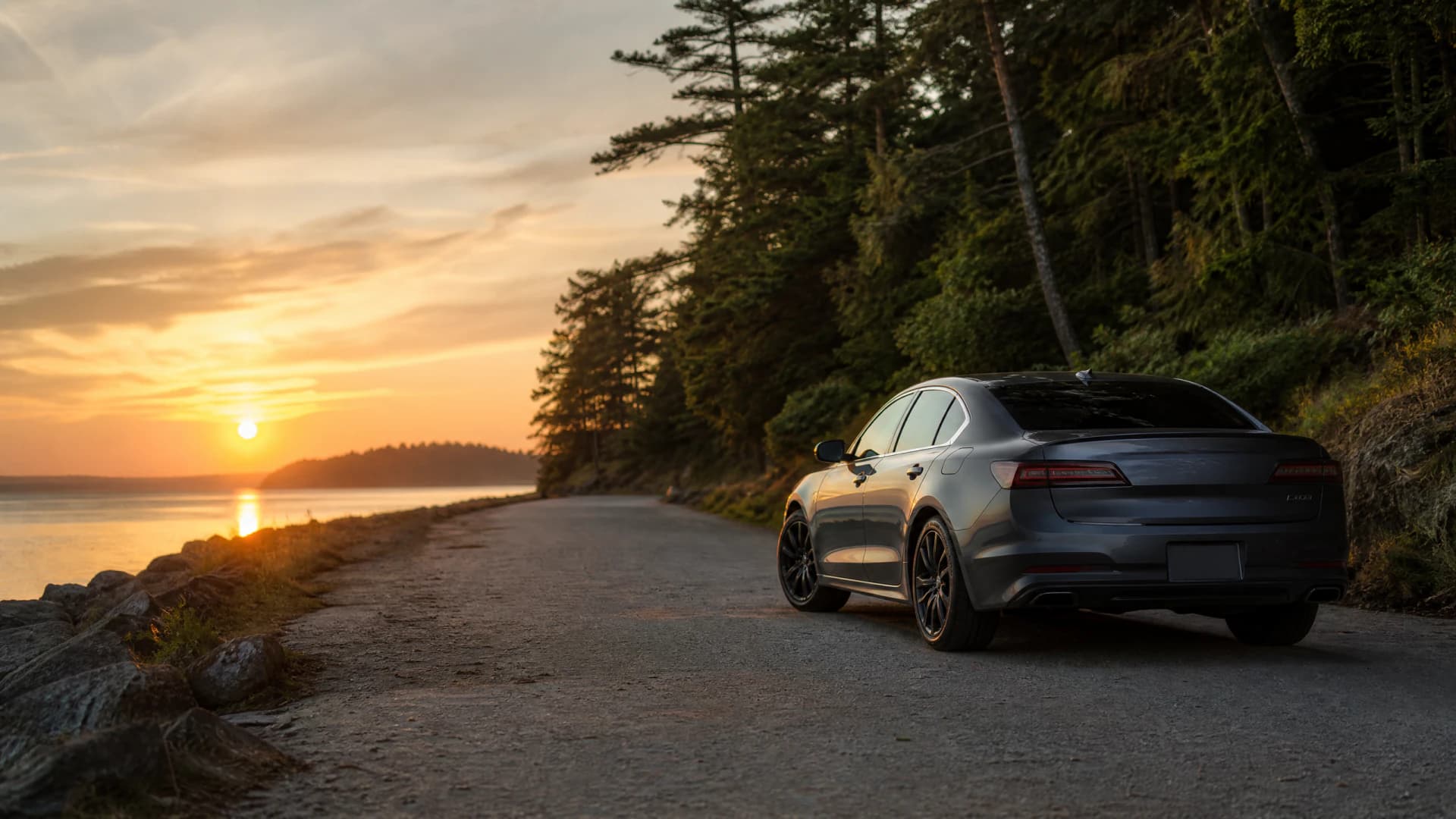
The blocker: your carrier's roadside structure does not match your household's driving pattern, leaving the driver who uses the third car unprotected even though you paid for coverage.
Related Articles

Best Car Insurance for Multiple Cars in WA
7/15/2026
Full Coverage Companies Washington Multi-Car
7/15/2026
Cheap Multi-Car Insurance Companies WA
7/15/2026
Multi-Car Coverage Requirements in Washington
7/15/2026
Allstate Multi-Car Insurance in Washington
7/15/2026
Travelers Multi-Car Coverage in Washington
7/15/2026
What Roadside Assistance Actually Covers
Roadside assistance through your auto insurer typically includes towing to the nearest repair facility, jump-starts, tire changes using your spare, lockout service, and fuel delivery. Towing distance limits vary by carrier—some cover up to 15 miles, others cover any distance to the nearest qualified shop. If your vehicle breaks down on State Route 20 in the North Cascades, 40 miles from the nearest town, a 15-mile towing limit leaves you responsible for the remaining distance at your own cost.
The coverage does not include the cost of parts, fluids, or a spare tire. If your battery is dead and cannot be jump-started, roadside assistance covers the tow; you pay for the new battery. If you have a flat and no spare in the trunk, the service cannot change the tire. If you run out of gas, most carriers deliver one to two gallons free; you pay for the fuel itself. These are service calls, not repairs.
Washington's high rate of vehicle thefts—437.8 per 100,000 population in 2024—means lockout service sees frequent use in urban counties. But lockout coverage applies only to your own vehicle. If you lock your keys in a rental car while traveling, per-policyholder roadside assistance covers the service call; per-vehicle coverage does not, because the rental is not listed on your policy. If you frequently rent vehicles for work or travel, per-policyholder coverage is the better structural fit.
19.1%
WA Uninsured Motorist Rate
Washington's uninsured motorist rate sits nearly double the national average. Roadside assistance does not protect you from uninsured drivers, but it does reduce your exposure to secondary risk—being stranded in an unsafe location after a breakdown increases the chance of a second incident involving an uninsured driver stopping to help.
Insurance Research Council, 2023
Comparing Roadside to Standalone Memberships
Auto club memberships like AAA offer roadside assistance independent of your insurance policy. These memberships cover the person in any vehicle, similar to per-policyholder insurance coverage, but they also extend to household members depending on the membership tier. A AAA Plus membership covers the member plus one additional driver in the household; Premier covers the member plus three additional drivers. If your household has four drivers and three vehicles, a Premier membership can cover everyone in every car for one annual fee, while per-vehicle insurance coverage would require three separate charges.
The structural difference is claims. Roadside assistance through your insurer is not a collision or comprehensive claim and does not affect your premium. But some carriers track roadside service calls internally, and frequent use can influence renewal decisions or eligibility for certain discounts. Auto club memberships do not interact with your insurance record at all. If you use roadside service six times in one year because you have an older vehicle with recurring issues, the auto club does not care; your insurer might.
When to Add It, When to Skip It
Add per-vehicle roadside assistance if your household has multiple drivers using multiple cars daily, if any vehicle is older than ten years, or if any driver has a commute longer than 30 miles one-way. Washington's rural areas—particularly eastern Washington and the North Cascades—see limited cell service and long distances between towns. A breakdown on US Route 97 between Wenatchee and the Canadian border can leave you waiting hours for a tow if you rely on a phone call to a random tow company. Pre-arranged roadside coverage through your insurer or an auto club gets you priority dispatch and a known service standard.
Skip roadside assistance if every vehicle on your policy is under five years old with an active manufacturer warranty that includes roadside service, if your household rarely drives outside urban areas with dense tow-truck availability, or if you already carry an auto club membership that covers your household structure. Paying twice for overlapping coverage is common—many drivers add insurance roadside assistance without realizing their credit card or auto club membership already provides it. Check your existing benefits before adding a per-vehicle charge to a three-car policy.
If you skip insurance roadside coverage, confirm your alternative. Manufacturer roadside programs expire when the warranty expires. on a Saturday. Auto club memberships work only if you renew them annually and carry the membership card. A lapsed membership discovered during a breakdown is the same as no membership.

Compare Carriers Writing Your Household
Roadside assistance structure varies by carrier. Some Washington insurers writing multi-car policies offer only per-vehicle coverage; others offer only per-policyholder; a few offer both and let you choose. Geico, Progressive, State Farm, and Farmers all write Washington multi-car policies and offer roadside assistance, but the structure, cost, and service limits differ.
When comparing carriers, ask three questions. Does the coverage follow the car or the person? What is the towing distance limit? Does the carrier require you to use their dispatch service, or can you call any tow company and submit for reimbursement? Dispatch-only models get you service faster but limit your choice of provider; reimbursement models give you flexibility but require upfront payment. If you live in King County, dispatch service is abundant. If you live in Ferry County, the nearest participating tow provider might be 60 miles away, and reimbursement flexibility matters more.
Matching Coverage to Vehicle Use
If your household has more drivers than cars, or if drivers regularly switch between vehicles, per-vehicle coverage is the safer structure. Every car is covered no matter who drives it. A teen borrowing the third car for a school commute, a spouse taking the truck to a job site, a household member using the sedan for errands—all covered, because the coverage attached to the vehicle when you added it to the policy. The cost scales with the number of cars, not the number of drivers.
If your household has more cars than regular drivers—one daily driver, one weekend car, one rarely-used vehicle garaged most of the year—per-policyholder coverage can work if the primary driver is the only one who needs roadside help. That driver gets coverage in any vehicle, including the rarely-driven car when they do take it out. But the moment a second household driver uses any vehicle regularly, the gap opens. That second driver is not covered unless they also buy their own per-policyholder benefit, at which point you are paying twice for coverage that per-vehicle structure would have provided once.
Get Your Free Quote
Get My Washington Car Insurance QuoteFrequently Asked Questions
Does roadside assistance on my Washington auto policy cover all drivers in my household?
Only if you bought per-vehicle coverage. Per-vehicle roadside assistance covers anyone driving that specific car. Per-policyholder coverage covers only the named insured in any vehicle, not other household drivers. If your spouse or teen drives a car on your policy and you have per-policyholder coverage, they are not covered unless they also bought their own benefit.
Can I add roadside assistance to just one car on my multi-car Washington policy?
Yes, if your carrier offers per-vehicle coverage. You can add it to the car most likely to need it—typically the oldest vehicle or the one with the longest commute. Per-policyholder coverage does not attach to individual cars, so that structure does not allow selective coverage.
Does using roadside assistance increase my Washington car insurance premium?
No. Roadside service calls are not claims and do not affect your premium directly. Some carriers track service frequency internally and may consider it during renewal, but it does not trigger a rate increase the way a collision or comprehensive claim does.
What happens if I need a tow longer than my roadside coverage limit in Washington?
You pay the difference. If your coverage includes 15 miles of towing and the nearest repair shop is 40 miles away, the carrier covers the first 15 miles and you pay the tow company's per-mile rate for the remaining 25 miles. Rural Washington breakdowns often exceed standard towing limits.
Is roadside assistance through my insurer better than AAA in Washington?
It depends on your household structure and vehicle count. Insurance per-vehicle coverage works well for households with more drivers than cars. AAA memberships cover the member plus additional household drivers depending on tier, which can be more cost-effective for households with four or more drivers. Both provide similar services; the structural fit matters more than the provider.